 (Image via
You follow a daily routine to care for your skin, choosing products you believe will leave it healthy and glowing. We all want to put our best face forward, but some common habits might be secretly working against us. It's easy to pick up practices we think are helpful, only to find they cause more harm than good over time. From the way you wash your face to how you apply your favorite sunscreen, small, seemingly innocent steps can lead to irritation, premature aging, and breakouts. This guide is here to shine a light on these sneaky skin saboteurs. We’ll explore common beauty habits that can quietly damage your skin and offer simple, practical swaps to help you achieve the healthy complexion you deserve.
Why Small Habits Matter for Skin Health
Your skin is your body's largest organ, and it works hard to protect you. It has a delicate barrier, often called the acid mantle, which maintains moisture and keeps out harmful bacteria and pollutants. Many everyday beauty habits can disrupt this crucial barrier, even if you don't notice the damage right away. The effects are often cumulative. A little too much scrubbing one day might not seem like a big deal, but repeating that action over weeks and months can lead to chronic sensitivity, dryness, and inflammation. Understanding the science behind healthy skin helps us make better choices. Empowering yourself with this knowledge is the first step toward building a routine that truly nurtures your skin for the long haul.
Common Habits That Harm Your Skin
Recognizing these habits in your own routine is key to making a positive change. Many of these actions are things we do on autopilot. Let’s take a closer look at some frequent offenders and explore healthier alternatives to support your skin's well-being.
1. Over-Washing and Over-Exfoliating
Keeping your skin clean is fundamental, but there is such a thing as too much of a good thing. Washing your face more than twice a day or using harsh scrubs too often can strip your skin of its natural oils. These oils are essential for keeping your skin hydrated and protected.
Why It's Damaging: Aggressive cleansing and exfoliation weaken the skin barrier. This can lead to a cycle of problems. Your skin might feel tight and dry, or it could overcompensate by producing even more oil, leading to breakouts. This constant irritation can also cause redness and sensitivity.
Healthier Alternative:
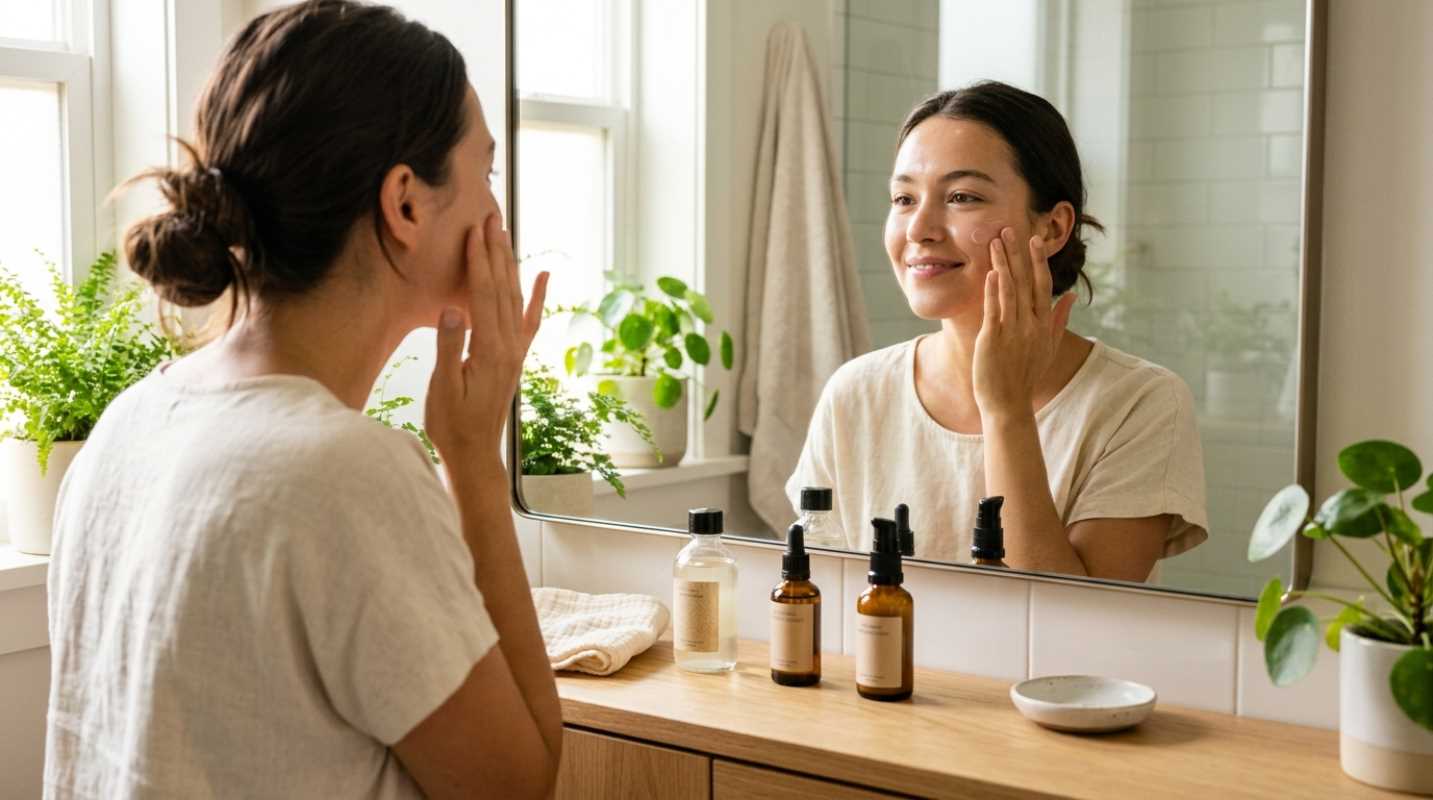
- Wash your face just twice a day (morning and night) with a gentle, pH-balanced cleanser.
- Pat your skin dry with a soft towel instead of rubbing it.
- Limit exfoliation to 1-3 times per week, depending on your skin type. Choose a gentle chemical exfoliant (like those with AHAs or BHAs) over a harsh physical scrub with large, jagged particles.
2. Skipping Sunscreen or Applying It Incorrectly
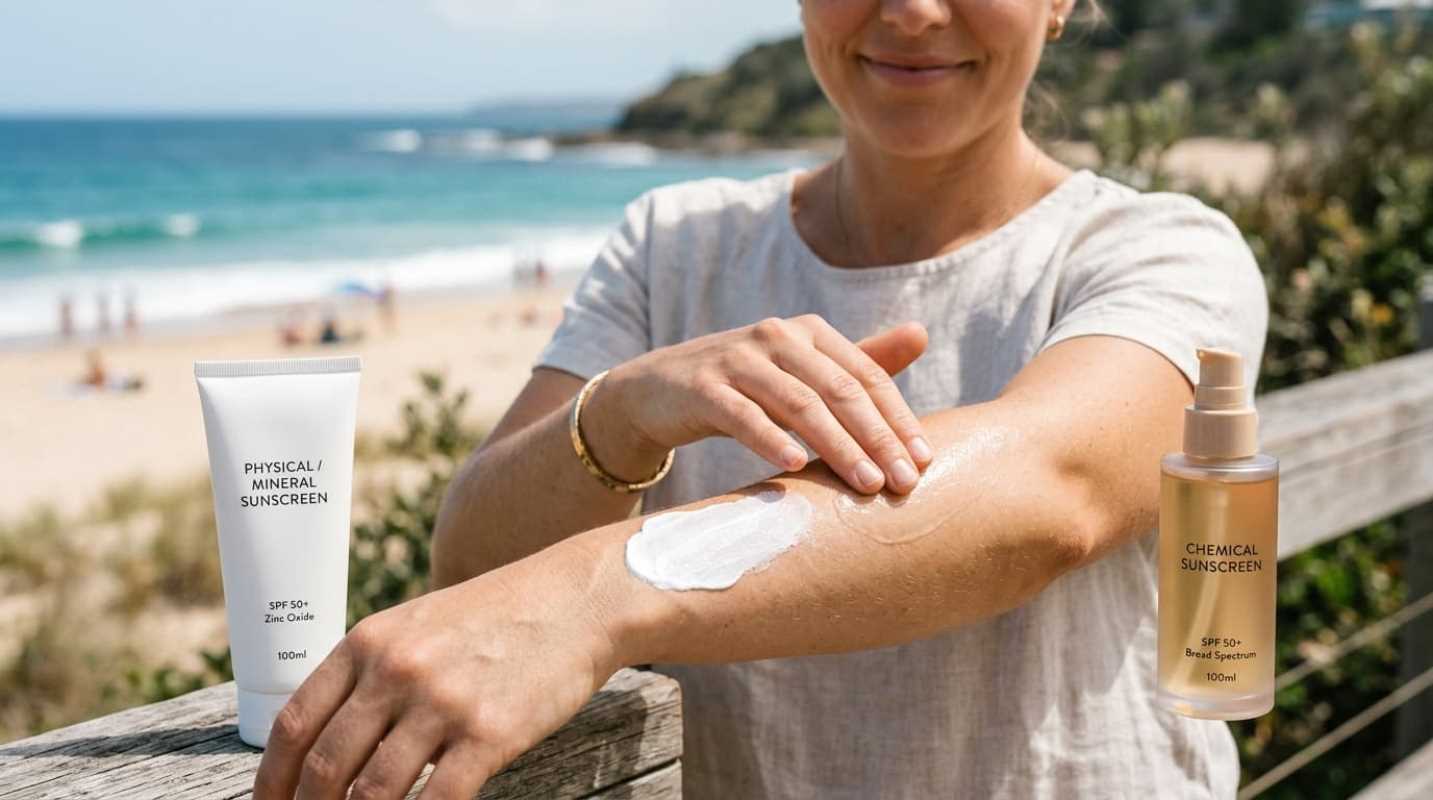
You might think sunscreen is only for sunny beach days, but sun protection is the single most important step for preventing premature aging and skin cancer. Ultraviolet (UVA and UVB) rays are present every day, even when it's cloudy or you're indoors near a window.
Why It's Damaging: UVA rays penetrate deep into the skin, breaking down collagen and elastin—the proteins that keep your skin firm and youthful. This leads to fine lines, wrinkles, and sagging. UVB rays are the primary cause of sunburn and play a key role in developing skin cancer.
Healthier Alternative:
- Apply a broad-spectrum sunscreen with an SPF of 30 or higher every single morning as the last step of your skincare routine.
- Use enough product. Most people apply far too little. A good rule of thumb is about a nickel-sized dollop for your face.
- Reapply sunscreen every two hours when you're outdoors, or more often if you're swimming or sweating.
3. Sleeping in Your Makeup
At the end of a long day, washing your face can feel like a chore. However, sleeping with your makeup on is one of the most detrimental things you can do to your skin.
Why It's Damaging: Throughout the day, makeup traps dirt, oil, and environmental pollutants on your skin's surface. Leaving this mixture on overnight clogs pores, which can lead to blackheads and acne. It also interferes with your skin's natural nighttime renewal process, and the oxidative stress from pollutants can accelerate aging.
Healthier Alternative:
- Make cleansing a non-negotiable part of your bedtime routine.
- Try a double-cleansing method for a thorough clean. Start with an oil-based cleanser or micellar water to dissolve makeup and sunscreen, then follow up with a gentle, water-based cleanser.
- Keep cleansing wipes on your nightstand for those truly exhausted nights. While not ideal for everyday use, they are much better than nothing.
4. Using Dirty Makeup Brushes and Sponges
Your makeup tools can be a breeding ground for bacteria. Every time you use them, they pick up oil, dead skin cells, and any bacteria on your skin. Without regular cleaning, you are just reapplying this grime back onto your face.
Why It's Damaging: Using dirty brushes can introduce bacteria into your pores, triggering acne and inflammation. It can also lead to skin infections and irritation. Plus, clean brushes apply makeup much more smoothly and evenly.
Healthier Alternative:
- Aim to clean your makeup brushes and sponges at least once a week.
- Use a gentle soap or a dedicated brush cleanser. Lather the bristles, rinse thoroughly until the water runs clear, and lay them flat to air dry.
- For sponges, wet them, apply cleanser, and squeeze repeatedly until they are clean.
5. Picking at Your Skin
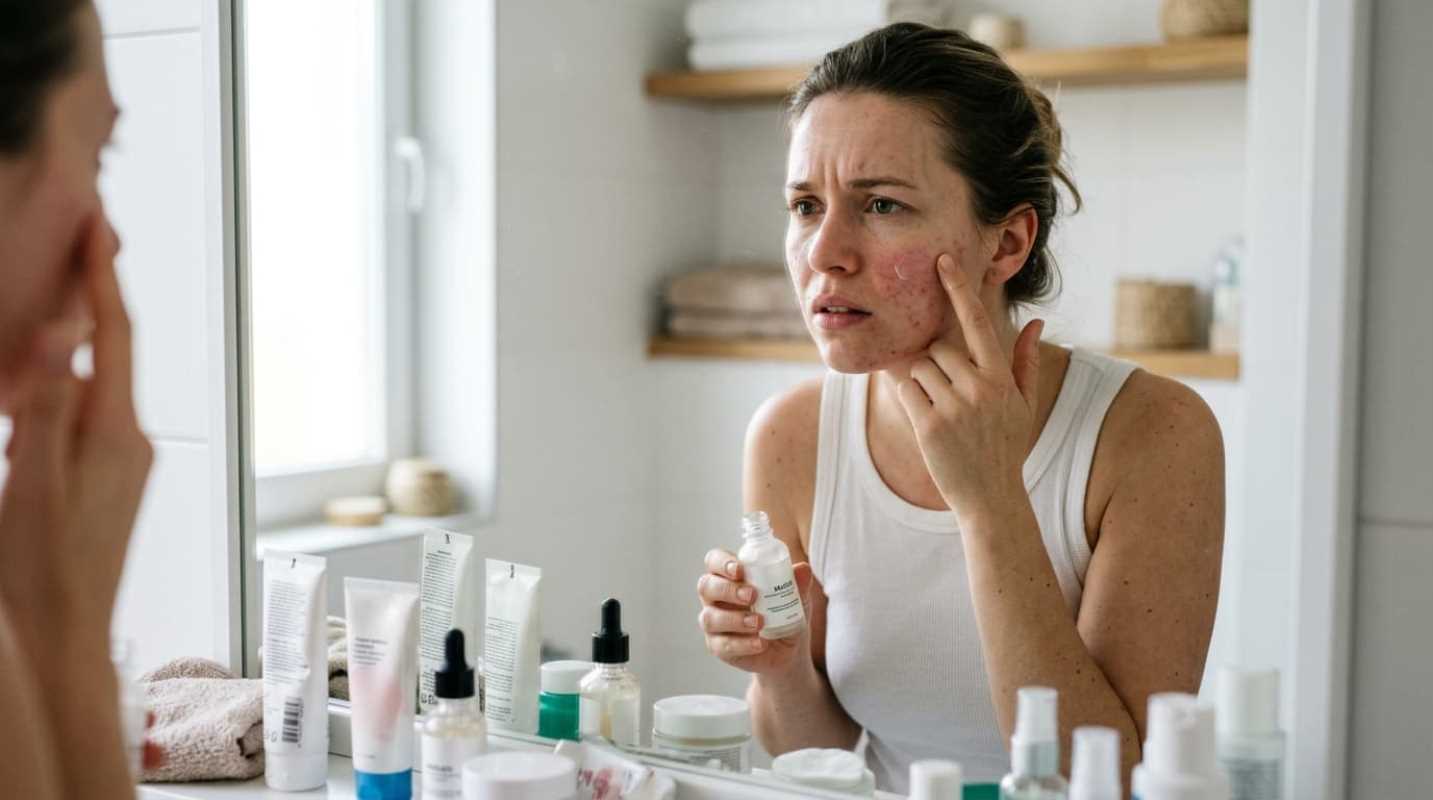
It can be incredibly tempting to pop a pimple or pick at a blemish. This momentary satisfaction almost always comes at a cost, creating more problems than it solves.
Why It's Damaging: Squeezing a pimple can push bacteria deeper into the pore, causing more inflammation and potentially turning a small spot into a larger, more painful cyst. It also creates an open wound, which can lead to infection and, most commonly, post-inflammatory hyperpigmentation (dark spots) or permanent scarring.
Healthier Alternative:
- Keep your hands off your face. This is the first and most important rule.
- Treat blemishes with a spot treatment containing ingredients like salicylic acid or benzoyl peroxide.
- Use pimple patches (hydrocolloid patches). These create a moist, protective environment that helps the blemish heal faster while keeping you from picking at it.