Remember when you could jump out of bed, run a 5k on a whim, and never think twice about your joints or skeleton? Those days tend to slip away quietly. Once you cross the threshold of 40, your body undergoes a silent shift. Your bones, which have been quietly supporting you for decades, begin to lose density faster than they can rebuild it.
It sounds a bit alarming, doesn't it? But understanding this natural decline is the first step toward managing it. Around age 30, you hit peak bone mass. After that, the balance shifts, and you slowly begin to lose more bone than you create.
Proactive bone density support matters now more than ever. Over 54 million Americans aged 50 and older live with osteoporosis or low bone mass.¹ After age 50, one in two women and one in four men will break a bone due to osteoporosis.¹ Even for men, who are often left out of this conversation, the risk is real, with one in five men over 50 experiencing an osteoporotic fracture globally.²
But here is the good news: bone loss is not an inevitable slide into frailty. You are not powerless against the calendar. With the right daily habits, targeted nutrition, and smart movement, you can protect your frame and keep your skeletal system strong for decades to come.
The Foundation of Calcium and Vitamin D Synergy
For years, the standard advice for anyone worried about thinning bones was simple: just pop a calcium pill. But the medical community has experienced a massive shakeup. We now know that simply loading up on supplements is not the answer, and it might even cause harm.
So what changed? In late 2024, the U.S. Preventive Services Task Force (USPSTF) issued a draft recommendation advising against routine daily calcium and vitamin D supplements for the primary prevention of fractures in healthy adults.³ This shift was backed by a massive clinical review in the British Medical Journal that analyzed over 153,000 participants.⁴ The study concluded that routine supplementation yielded little to no benefits in preventing fractures and falls for healthy, community-dwelling older adults.⁴
The secret lies in teamwork. Calcium alone cannot do the job. Think of calcium as the bricks and vitamin D as the mortar. Without vitamin D, your body cannot efficiently absorb calcium from your digestive tract.
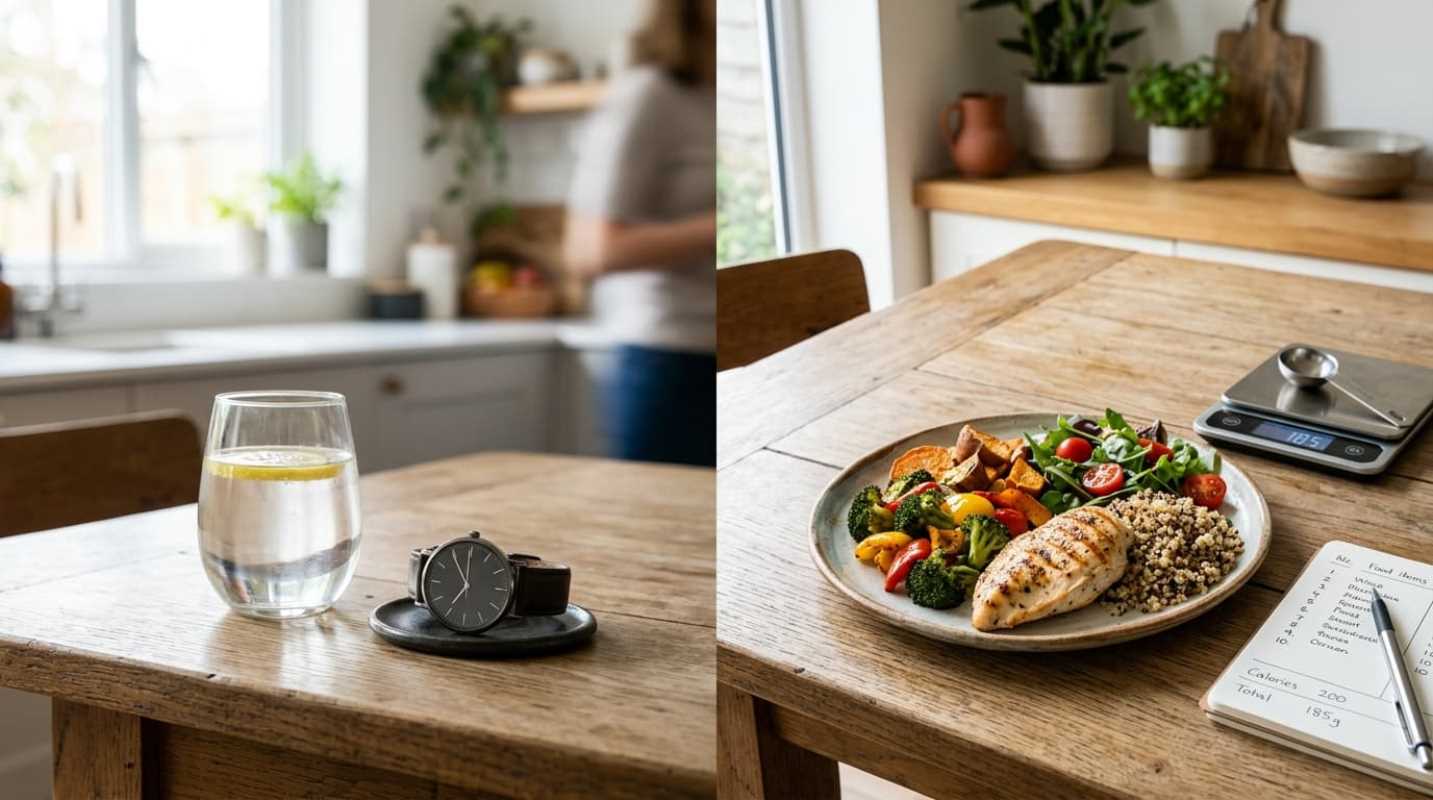
Instead of relying on a pill, your goal should be a food-first approach. To hit your daily target of 700 mg to 1,200 mg of calcium, you should focus on rich dietary sources
• Dairy products: Plain Greek yogurt and cottage cheese are excellent sources.
• Canned fish: Sardines and salmon with the bones included offer a double hit of calcium and vitamin D.
• Plant options: Calcium-fortified tofu and leafy green vegetables like kale are great additions.
When should you actually consider supplements? If you have diagnosed osteoporosis, a history of fractures, or a known deficiency, supplementation remains a key part of your treatment. Also, the Endocrine Society recommends that adults aged 75 and older take about 900 IU of vitamin D daily to help lower mortality risks.
Move With Purpose to Build Skeletal Strength
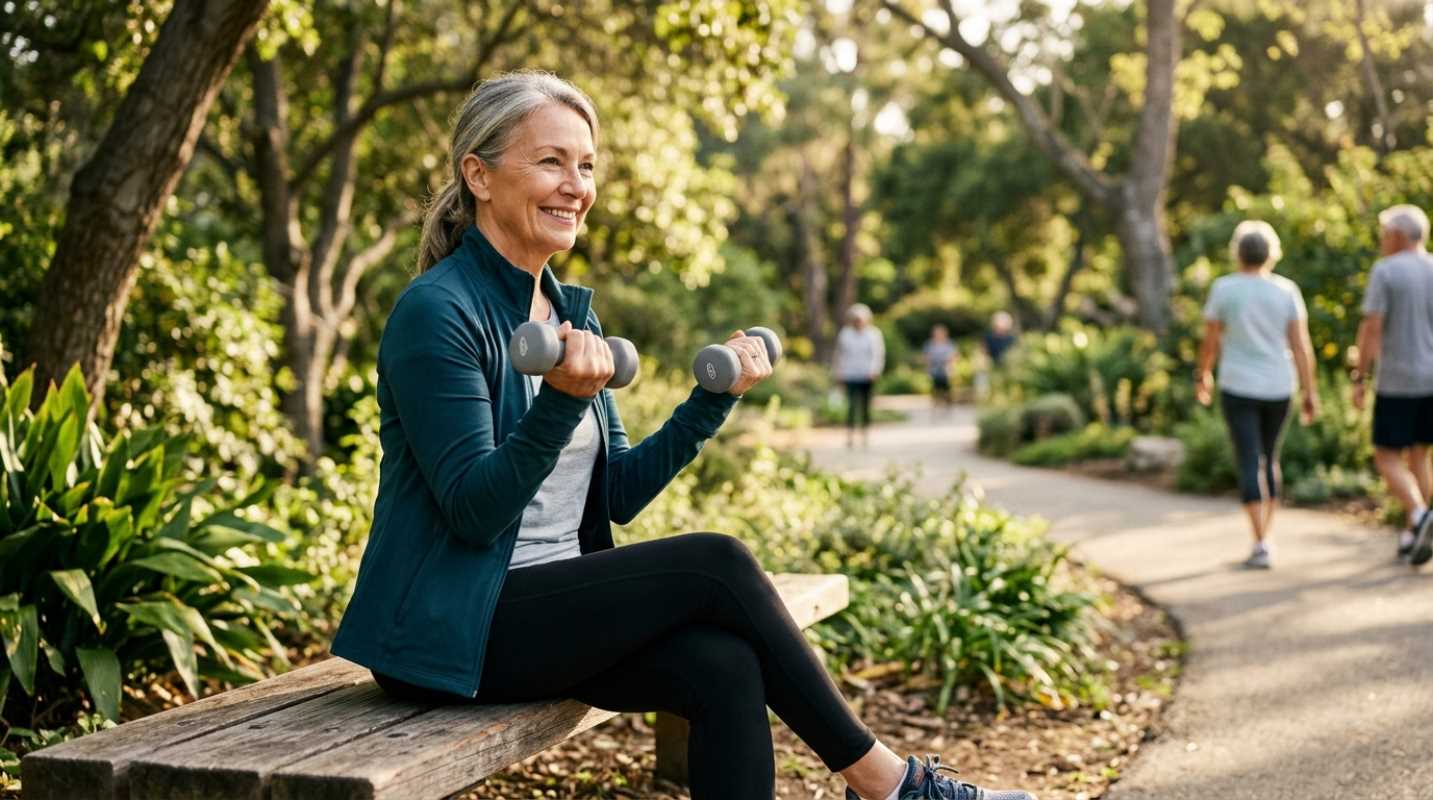
If you want strong bones, you have to stress them. It sounds counterintuitive, but your skeletal system is incredibly responsive to physical pressure. When you perform resistance exercises, the mechanical load actually bends the bone on a microscopic level. This tiny bend sends a biological signal to your bone-building cells, telling them to lay down new mineral density.
This means regular cardio like swimming or cycling, while great for your heart, is not enough to protect your skeleton. You need weight-bearing and resistance training to make a real difference.
The best exercises to keep your bones strong include
• Progressive resistance training: Lifting weights or using resistance bands forces your muscles to pull on your bones, stimulating growth.
• Weight-bearing impact exercise: Walking, hiking, or light jogging forces your body to work against gravity.
• Balance and stability drills: Activities like tai chi help prevent falls, which is the ultimate goal of bone protection.
How do you balance high-impact and low-impact activities safely? If you already have osteopenia or osteoporosis, high-impact jumping is risky. You should stick to controlled, heavy resistance training and low-impact weight-bearing exercises to get the benefits without the danger of a fracture.
Lifestyle Habits That Protect Your Frame
Building strong bones is not just about what you do in the gym or what you eat for breakfast. It is also about eliminating the hidden habits that drain your bone mineral density over time.
First, let's talk about smoking and alcohol. Nicotine is toxic to bone-building cells and interferes with your body's ability to use estrogen, a hormone that naturally protects your skeleton. Heavy alcohol use is just as damaging, as it disrupts the calcium balance in your body and increases your risk of falling.
Second, do not skimp on protein. Your bones are not just hard minerals; they are actually made of a living protein matrix. Eating enough high-quality protein provides the raw materials your body needs to maintain this structural framework.
Finally, you need to know where your bones stand. You cannot feel bone loss happening, which is why regular screening is so important. The gold standard for measuring bone density is a central DXA scan.
Under the guidelines finalized recently in early 2025, the recommendations are clear:⁵
• Women 65 and older: You should get a routine DXA scan to screen for osteoporosis.⁵
• Postmenopausal women under 65: You only need screening if you have specific risk factors, like a low body weight, a history of smoking, or a parent who fractured a hip.⁵
• Men: Although routine screening is not universally recommended for all men, those over 65 with high fracture risks should talk to their doctors about getting tested.
Taking Control of Your Future
Protecting your bone density does not require a complete lifestyle overhaul. It is about making small, consistent choices every day. You can start by adding a serving of Greek yogurt to your breakfast, taking a brisk walk after lunch, or scheduling a conversation with your healthcare provider about your personal risk factors.
If you are a younger postmenopausal woman, you might also want to ask your doctor about Menopausal Hormone Therapy (MHT). It is approved to prevent bone loss by replacing declining estrogen levels, though you will need a long-term plan since bone loss resumes once you stop the therapy.
The most important thing is to take action today. Your skeleton is the literal foundation of your mobility and independence. By feeding it well, moving with purpose, and getting screened when the time is right, you can keep your frame strong, resilient, and ready for whatever the future holds.
Sources:
1. Bone Health and Osteoporosis Foundation's Updated Clinician's Guide
https://www.bonehealthandosteoporosis.org/news/bone-health-and-osteoporosis-foundations-updated-clinicians-guide-to-prevention-and-treatment-of-osteoporosis-is-now-available/
2. International Osteoporosis Foundation: Management of Osteoporosis in Men
https://www.osteoporosis.foundation/news/new-evidence-based-guideline-management-osteoporosis-men-20240325-1145
3. USPSTF Draft Recommendation: Vitamin D and Calcium Supplementation
https://www.uspreventiveservicestaskforce.org/uspstf/draft-recommendation/vitamin-d-calcium-combined-supplementation-primary-prevention-falls-fractures-communitydwelling-adults
4. Global News: Vitamin D and Calcium Health Study
https://globalnews.ca/news/11888607/vitamin-d-and-calcium-health-study/
5. USPSTF Recommendation: Osteoporosis Screening
https://www.uspreventiveservicestaskforce.org/uspstf/recommendation/osteoporosis-screening?utm_source=chatgpt.com
*This article on FactBlast is for informational and educational purposes only. Readers are encouraged to consult qualified professionals and verify details with official sources before making decisions. This content does not constitute professional advice.*