Have you ever cut your finger and watched it turn red, warm, and slightly swollen? That's acute inflammation in action. It's your immune system rushing to the scene to heal the wound. But there's another side to this coin. When your body stays in a constant state of high alert, that helpful response turns into chronic inflammation. Think of it like a slow, smoldering forest fire. You can't see it, but over time, it damages healthy tissues and organs.
Modern life is practically designed to keep this fire burning. Constant stress, poor sleep, and a diet packed with ultra-processed foods act like lighter fluid on systemic inflammation. The good news is you have a powerful tool to fight back, and it's sitting right on your plate.
Choosing an anti-inflammatory diet is a proactive way to protect your body. Recent science from 2025 shows just how powerful these dietary choices are. Like, a complete study published in Frontiers in Nutrition analyzed how anti-inflammatory eating patterns affect our heart health.¹ The researchers found that sticking to these foods dropped systolic blood pressure by an average of 3.99 mmHg and diastolic blood pressure by 1.81 mmHg. It also improved blood vessel elasticity and lowered bad cholesterol.
The benefits go far beyond cardiovascular health. At the June 2025 American Society of Clinical Oncology meeting, researchers shared findings from a study tracking 1,625 patients with Stage III colon cancer.² Those who ate highly pro-inflammatory diets, filled with refined grains and sugary drinks, had an 87% higher risk of death compared to those eating anti-inflammatory foods. When patients combined a low-inflammatory diet with regular physical activity, their risk of death dropped by 63%.
Your brain benefits too. A study in BMC Complementary Medicine and Therapies followed women over the age of 50.³ The researchers discovered that the Anti-Inflammatory Mediterranean Diet, which strictly limits refined grains and added sugars, strongly protected against memory complaints and early cognitive decline.
How does this happen at a cellular level? A report in the journal Nutrients explains that ultra-processed foods damage your gut lining and literally flip the "on" switch for inflammatory genes.⁴ On the flip side, eating high-fiber, antioxidant-rich foods keeps your gut barrier strong and tells those inflammatory genes to stay quiet.
Powerhouse Ingredients and Your Anti-Inflammatory Foods List
So how do you start putting out the fire? You don't need a complicated, restrictive diet plan. Instead, focus on adding nutrient-dense ingredients that are packed with antioxidants and polyphenols. Think of these compounds as a natural cleanup crew. They neutralize free radicals, which are unstable molecules that damage your cells and trigger inflammation.
To make your next trip to the grocery store simple, focus on a few key staples. Here is a curated list of foods to keep in your kitchen
• Berries: Blueberries, strawberries, and blackberries contain anthocyanins, which give them their rich colors and fight oxidative stress.
• Leafy greens: Spinach, kale, and Swiss chard offer a massive dose of vitamins and fiber to support your gut health.⁵
• Nuts and seeds: Walnuts, flaxseeds, and chia seeds deliver healthy fats and fiber that help calm inflammation.
• Extra virgin olive oil: This is your go-to cooking fat because it contains oleocanthal, a natural compound that works similarly to common anti-inflammatory medications.
• Cruciferous vegetables: Broccoli, Brussels sprouts, and cabbage are rich in sulforaphane, which helps turn off inflammatory pathways in the body.
The Dynamic Duo of Turmeric and Omega-3
If you want to supercharge your anti-inflammatory efforts, you need to know about turmeric and omega-3 fatty acids. These two ingredients are heavy hitters, but you have to use them correctly to get the full benefits.
Let's start with turmeric. Its active compound, curcumin, is incredibly powerful, but it has a major design flaw. It's very hard for your body to absorb on its own. When you eat turmeric raw, your liver processes it so quickly that almost none of it reaches your bloodstream.
Fortunately, you can easily fix this with a few simple tricks
• Pair it with black pepper: Freshly cracked black pepper contains piperine, which temporarily slows down the liver enzymes that break down curcumin. This simple step increases absorption by up to 2,000%.
• Add healthy fats: Curcumin is fat-soluble. Sauté your turmeric in extra virgin olive oil, stir it into a coconut milk curry, or whisk it into a warm cup of golden milk.
• Choose the right supplement: If you prefer supplements, look for phospholipid complexes that bind curcumin to lecithin to improve absorption. A clinical study also validated that natural turmeric oil formulations containing ar-turmerone boost bioavailability 60 times over standard curcumin. Just keep your daily supplemental dose under 1,000 mg to keep your liver happy.
Next up is omega-3 fatty acids. These needed fats matter for calming active inflammation and keeping your cell membranes healthy. But not all omega-3s are created equal.
Plant-based sources like flaxseeds and walnuts contain a type of omega-3 called ALA. Your body has to convert ALA into the active forms, EPA and DHA, to actually fight inflammation. The catch is that this conversion is incredibly inefficient. Less than 12% of ALA converts to EPA, and less than 4% converts to DHA.
To get the real benefits, you need direct sources of EPA and DHA
• Eat SMASH fish: Try to eat fatty fish twice a week. Focus on salmon, mackerel, anchovies, sardines, and herring. These fish are high in omega-3s and low in heavy metals like mercury.
• Target your Omega-3 Index: Aim for an Omega-3 Index of 8% or higher, which is highly protective for your heart and brain. To get there, you generally need about 1,000 mg of combined EPA and DHA daily.
• Swap your oils: Most processed foods are loaded with omega-6 fatty acids from seed oils like corn or soybean oil. Too much omega-6 promotes inflammation. Swap these out for olive oil or avocado oil to bring your body back into balance.
• Try algae oil: If you eat a plant-based diet, algae oil is the gold standard. It bypasses the fish entirely and gives you a direct, highly absorbable source of EPA and DHA.
Small Changes and Big Results with Simple Ways to Transition
You don't have to throw out everything in your pantry today. In fact, dramatic diet overhauls rarely last. The secret is making small, simple swaps that accumulate into big changes over time.
Try these easy food swaps to get started
• The oil swap: Ditch the canola and corn oil. Use extra virgin olive oil for cold dishes and avocado oil for high-heat cooking.
• The snack swap: Replace processed chips or crackers with a handful of walnuts and a cup of fresh blueberries.
• The sweetener swap: Reduce refined white sugar. Use small amounts of raw honey or maple syrup, or sweeten your oatmeal with mashed banana.
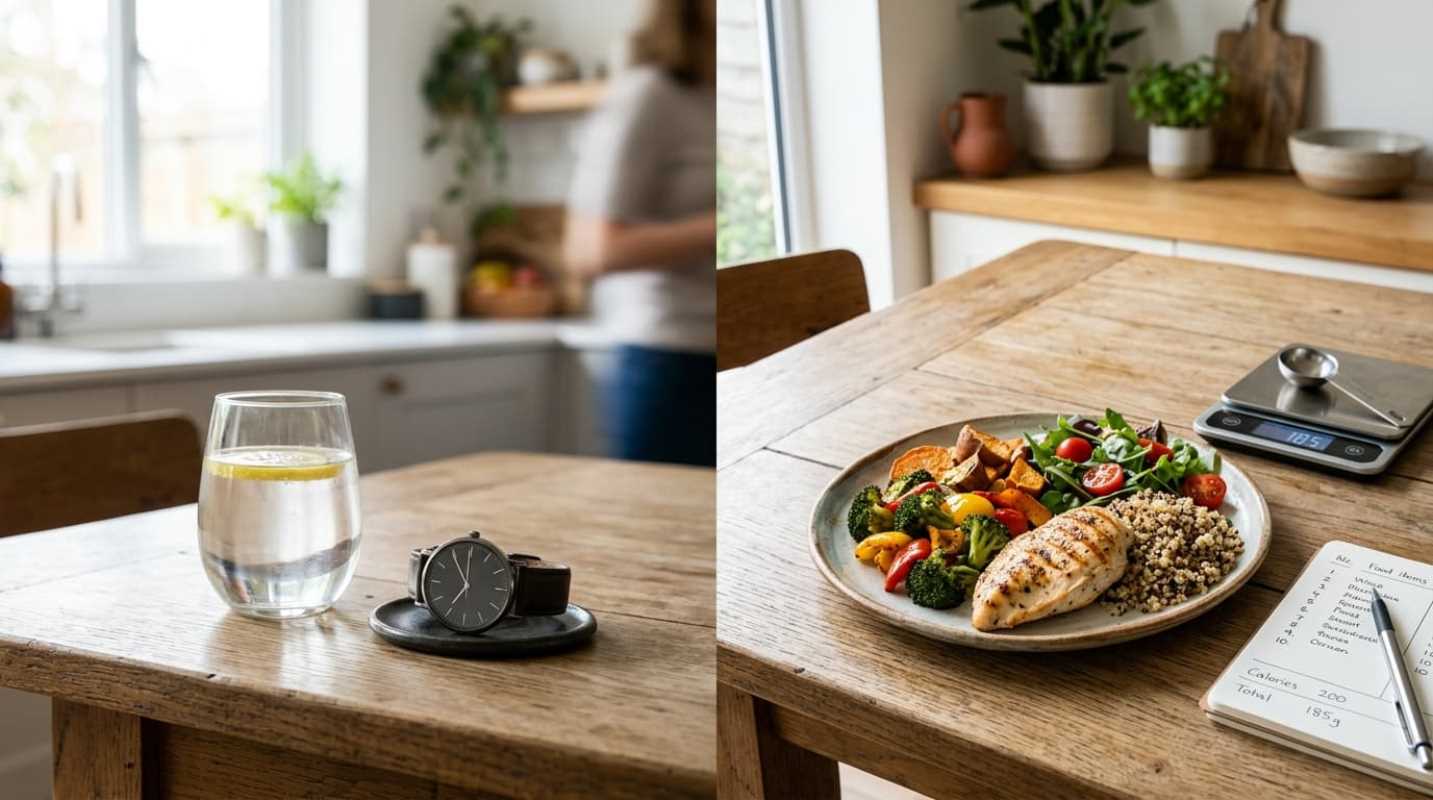
Meal preparation does not have to take up your entire Sunday afternoon either. Keep it simple. Roast a double batch of broccoli and sweet potatoes while you cook dinner. Keep a jar of quick, homemade salad dressing (olive oil, lemon juice, and a pinch of salt) in your fridge. When you build your plate, aim for half vegetables, a quarter clean protein like wild salmon, and a quarter complex carbohydrates like quinoa, all topped with a healthy fat.
If you are looking for high-quality ingredients and supplements to support your journey, here are a few expert-backed options to consider.
Long-Term Wellness Beyond the Plate
As you move through 2026, remember that consistency is always more important than perfection. Eating a slice of birthday cake will not ruin your progress, just like eating one bowl of kale will not instantly cure chronic inflammation. It is about what you do most of the time.
It is also important to remember that your diet does not exist in a vacuum. Other lifestyle habits play a massive role in how much inflammation is in your body. Getting seven to eight hours of quality sleep, managing your daily stress through meditation or hobbies, and moving your body regularly all work together to lower cortisol and keep inflammation at bay.
Start with one small change today. Sauté your veggies in olive oil, add a pinch of turmeric and black pepper to your eggs, or grab a handful of walnuts. Your body will thank you.
Sources:
1. Frontiers in Nutrition Meta-Analysis
https://www.frontiersin.org/journals/nutrition/articles/10.3389/fnut.2025.1549831/full
2. ASCO 2025 Study on Colon Cancer
https://ecancer.org/en/news/26547-asco-2025-pro-inflammatory-diets-associated-with-worse-outcomes-for-stage-iii-colon-cancer
3. BMC Complementary Medicine and Therapies Study
https://pmc.ncbi.nlm.nih.gov/articles/PMC12176752/
4. Nutrients 2025 Gut Microbiome Report
https://pmc.ncbi.nlm.nih.gov/articles/PMC12322563/
5. Harvard Health Anti-Inflammatory Guide
https://www.health.harvard.edu/diet-and-nutrition/quick-start-guide-to-an-antiinflammation-diet
*This article on FactBlast is for informational and educational purposes only. Readers are encouraged to consult qualified professionals and verify details with official sources before making decisions. This content does not constitute professional advice.*