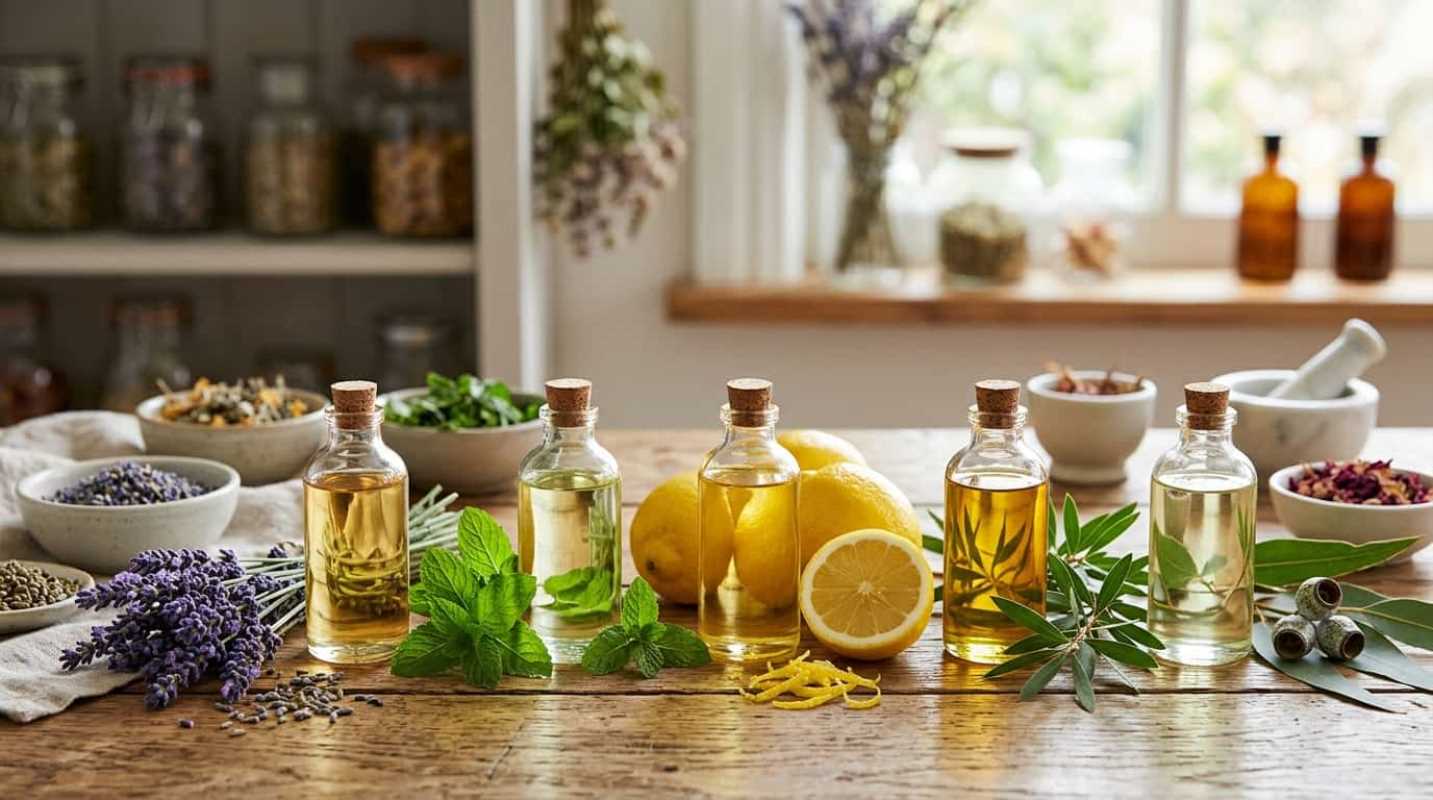
Have you ever twisted open a bottle of lavender or crushed a fresh mint leaf between your fingers and felt your shoulders instantly drop? You are not alone. Long before bottled extracts filled wellness shops or modern home diffusers, ancient civilizations relied heavily on aromatic plants to support their daily health and ceremonial practices.
From Egyptian embalming mixtures to Roman public baths, plant extracts have played a steady role throughout human history. Today, as more people look for natural ways to balance stress, improve sleep, and keep their living spaces fresh, essential oils are experiencing a major revival. But with so many options out there, it helps to know which oils carry true historical roots and how to use them safely without a lot of harm to your skin or senses.
Navigating Popular Oil Profiles
When you start exploring aromatherapy, three oils consistently top the list: lavender, peppermint, and eucalyptus. Each brings a completely distinct botanical profile and centuries of practical use to the table.
Lavender (Lavandula angustifolia)
Lavender is easily the most recognized essential oil in the world, and for good reason. Packed with natural chemical compounds like linalool and linalyl acetate, it interacts directly with your nervous system to promote quiet focus and peaceful rest.
The history behind lavender is rich. The Romans derived its name from lavare, which means "to wash," using it heavily to scent their public baths. Centuries later, in 1910, French chemist René-Maurice Gattefossé severely burned his hand during a laboratory accident and treated it with true lavender oil.¹ The rapid skin recovery inspired him to coin the term aromatherapy. By World War I, doctors were using lavender as an antiseptic in French field hospitals to care for wounded soldiers.
Peppermint (Mentha x piperita)
If lavender is all about relaxing, peppermint is your instant wake-up call. Driven by high concentrations of menthol and menthone, peppermint creates a sharp cooling sensation on the skin while stimulating mental energy.
Dried peppermint leaves have been discovered inside Egyptian pyramids dating back to 1500 BCE. Ancient Greek and Roman physicians routinely prescribed mint infusions to soothe digestive discomfort, while Greek mythology even tells the story of Minthe, a nymph transformed into the fragrant mint plant. Today, inhaling peppermint remains a favorite trick for clearing brain fog or easing tension around your neck and temples.
Eucalyptus (Eucalyptus globulus)
Known for its crisp, camphorous scent, eucalyptus gets its power from 1,8-cineole, also known as eucalyptol. This compound acts as a natural expectorant, making eucalyptus the traditional choice for sinus clearing and respiratory support.
Long before Western surgeons distilled eucalyptus in the 1780s, Indigenous Australians relied on crushed leaf poultices and steam infusions to treat fevers and skin wounds. During the global flu outbreaks of the late 19th century, eucalyptus gained worldwide fame as a reliable air cleanser and respiratory remedy.
Traditional Application Methods Explained
How you apply an essential oil changes how your body interacts with it. Historically, application methods fell into two simple categories: inhalation and topical touch.
Inhalation Techniques
Direct inhalation is the fastest way to experience an essential oil because aromatic molecules travel straight to your brain's emotional center, the limbic system.
• Direct Palm Inhalation: Rub one drop of diluted oil between your hands, cup them over your nose, and take three deep breaths.
• Diffuser Inhalation: Add a few drops to a water-based ultrasonic diffuser to fill an entire room with scent.
• Steam Inhalation: Drop oil into a bowl of hot water, drape a towel over your head, and breathe in the steam to clear clogged sinuses.
Topical Application
Topical application works best when you want localized relief for sore muscles, joint stiffness, or skin hydration.
• Pulse Points: Apply diluted oil to wrists, temples, or behind the ears for quick absorption.
• Targeted Massage: Work diluted blends into tight shoulders, sore calf muscles, or the back of your neck.
• Foot Application: Massage oils into the soles of your feet, where large skin pores help speed absorption.
Safety and Dilution Guidance
Essential oils are remarkably concentrated, often 50 to 100 times stronger than the original plant material. Applying them directly to your skin without a carrier oil can trigger contact dermatitis, severe redness, or long-term sensitization.
Carrier oils like jojoba, sweet almond, and fractionated coconut oil dilute the potency while helping your skin absorb the essential oil evenly. Jojoba is particularly popular because its physical structure closely matches human sebum.
To keep your skin healthy, stick to these standard adult dilution ratios:
• 0.5 Percent Dilution: 1 drop per 10 mL carrier oil. Ideal for facial serums, sensitive skin, or elderly application.
• 1.0 Percent Dilution: 2 drops per 10 mL carrier oil. Perfect for daily body oils and leave-on products.
• 2.0 Percent Dilution: 4 drops per 10 mL carrier oil. This is the standard adult strength for daily massage and general body care.²
• 3.0 Percent Dilution: 6 drops per 10 mL carrier oil. Use for short-term application on sore joints or tight muscles.
• 5.0 Percent Dilution: 10 drops per 10 mL carrier oil. Reserved for short-term acute care on small localized areas, like a chest rub.
Safety goes beyond numbers. Always run a 24-hour patch test by applying one drop of diluted oil to your inner forearm before trying a new blend. If you ever experience skin irritation or accidentally get oil in your eye, do not use water. Water actually speeds up oil absorption into your skin. Instead, rinse the area immediately with a fat-based substance like jojoba oil, olive oil, or whole milk to dissolve the extract.
Keep age limits in mind as well. Avoid topical application on infants under three months. For young children, high-menthol and high-cineole oils like peppermint and eucalyptus can cause breathing distress if applied near the face, so keep eucalyptus away from children under 10 years old.³
Integrating Oils into Your Modern Lifestyle
Bringing essential oils into your daily routine does not require a complete lifestyle overhaul. Small, consistent habits yield the best results without overtaxing your senses or your budget.
Start by setting clear boundaries for diffusion. Running a diffuser continuously all day can overwhelm your respiratory system and dull your olfactory response. The standard rule of thumb is intermittent diffusion: 30 to 60 minutes on, followed by 30 to 60 minutes off.
You can also tailor your oil selection to your environment
• Home Workstation: Diffuse peppermint or citrus during mid-afternoon slumps to boost alertness and mental focus.
• Bedroom: Turn on a quiet diffuser with lavender 30 minutes before bedtime to signal to your brain that it is time to wind down.
• Living Space: Use eucalyptus during cold season to keep indoor air feeling crisp and clean.
Remember that pure essential oils are designed for external use or inhalation only. Never ingest essential oils without direct guidance from a licensed clinical professional.
Your Journey with Aromatherapy
Aromatherapy is ultimately a personal practice that bridges ancient tradition with modern safety. By honoring proper dilution ratios and paying attention to how your body responds, you can explore the comforting benefits of these plant extracts with complete confidence.
Start simple with a reliable bottle of lavender or peppermint, choose a high-quality carrier oil, and listen to what your body tells you along the way. Quality matters, so always look for pure extracts that clearly state the botanical Latin name on the label.
Sources:
1. Aromatic Studies - Lavender Essential Oil Profile
https://aromaticstudies.com/all-about-lavender-essential-oil/
2. Tisserand Institute - Essential Oil Dilution Guidelines
https://tisserandinstitute.org/dilution-essential-oils/
3. Aromatic Studies - Is Eucalyptus Safe for Children?
https://aromaticstudies.com/is-eucalyptus-safe-for-children/
*This article on FactBlast is for informational and educational purposes only. Readers are encouraged to consult qualified professionals and verify details with official sources before making decisions. This content does not constitute professional advice.*