You might think you would know if your blood pressure was dangerously high. Maybe you imagine you would feel jittery, flushed, or plagued by a pounding headache whenever your arteries are under stress. Here is the uncomfortable truth: you probably won't feel a thing. High blood pressure, or hypertension, is notorious for running silently in the background. Nearly 50% of adults in the United States, roughly 120 million people, have high blood pressure, and around 45% of European adults share the same condition. Even more alarming, about one in three adults living with hypertension have no idea they have it.
That is why major health organizations still call it the silent killer. Waiting for obvious physical symptoms before taking action is a dangerous gamble. By the time high blood pressure starts giving you clear warnings, chronic damage to your blood vessels, heart, brain, or kidneys may already be underway. You simply cannot rely on how you feel to judge what is happening inside your cardiovascular system. Proactive awareness and checking your numbers are the only reliable ways to protect yourself.
Recognizing Subtle Red Flags
Although early hypertension is usually quiet, your body occasionally drops subtle hints when pressure rises. You just have to know how to interpret them without falling for common myths.
Some subtle physical indicators warrant getting out a monitor to test your levels:
• Morning headaches: A dull, heavy pain at the back of your head upon waking up that gradually wears off during the morning can sometimes point to elevated pressure.
• Exertional fatigue: Feeling unexpectedly breathless or wiped out during routine daily activities can reflect your heart working much harder against narrowed blood vessels.
• Blood spots in the eyes: Known medically as a subconjunctival hemorrhage, broken blood vessels in the eye are usually harmless, but recurring spots mean you should check your pressure.
It is just as important to clear up popular misconceptions. Many people assume that facial flushing, sudden dizziness, or random nosebleeds are clear signs of high blood pressure.
Medical research tells a different story. Facial flushing happens when blood vessels in your face dilate due to heat, exercise, stress, alcohol, or skin products. Dizziness is far more likely tied to dehydration, inner ear issues, or medication side effects. Although a severe blood pressure spike can prolong a nosebleed once it starts, high blood pressure does not directly cause isolated nosebleeds. Always evaluate these clues alongside actual blood pressure measurements rather than guessing.
Assessing Your Personal Risk Profile
Since you cannot count on physical symptoms to warn you, evaluating your personal risk profile is your best defense. How likely are you to develop hypertension without knowing it?
Your risk comes down to a mix of factors you can control and factors you cannot. Genetics plays a major role. If your parents or siblings had high blood pressure, your arteries are statistically more prone to early stiffening. Age is another factor that catches people off guard. As we grow older, our blood vessels naturally lose elasticity, making regular checks increasingly important with each passing year.
Then there are the everyday habits that gradually push your numbers into the danger zone. High sodium intake, a lack of regular exercise, excessive alcohol consumption, and chronic stress put persistent pressure on your blood vessels.
Modern clinical guidelines rely on risk assessment tools like the PREVENT risk calculator to look at your full health picture. This tool looks at factors like diabetes, kidney function, age, and cholesterol alongside your blood pressure readings to calculate your overall cardiovascular risk over the next decade. Knowing your personal vulnerabilities allows you to take preventive action long before silent damage turns into a crisis.
The Important Role of Regular Monitoring
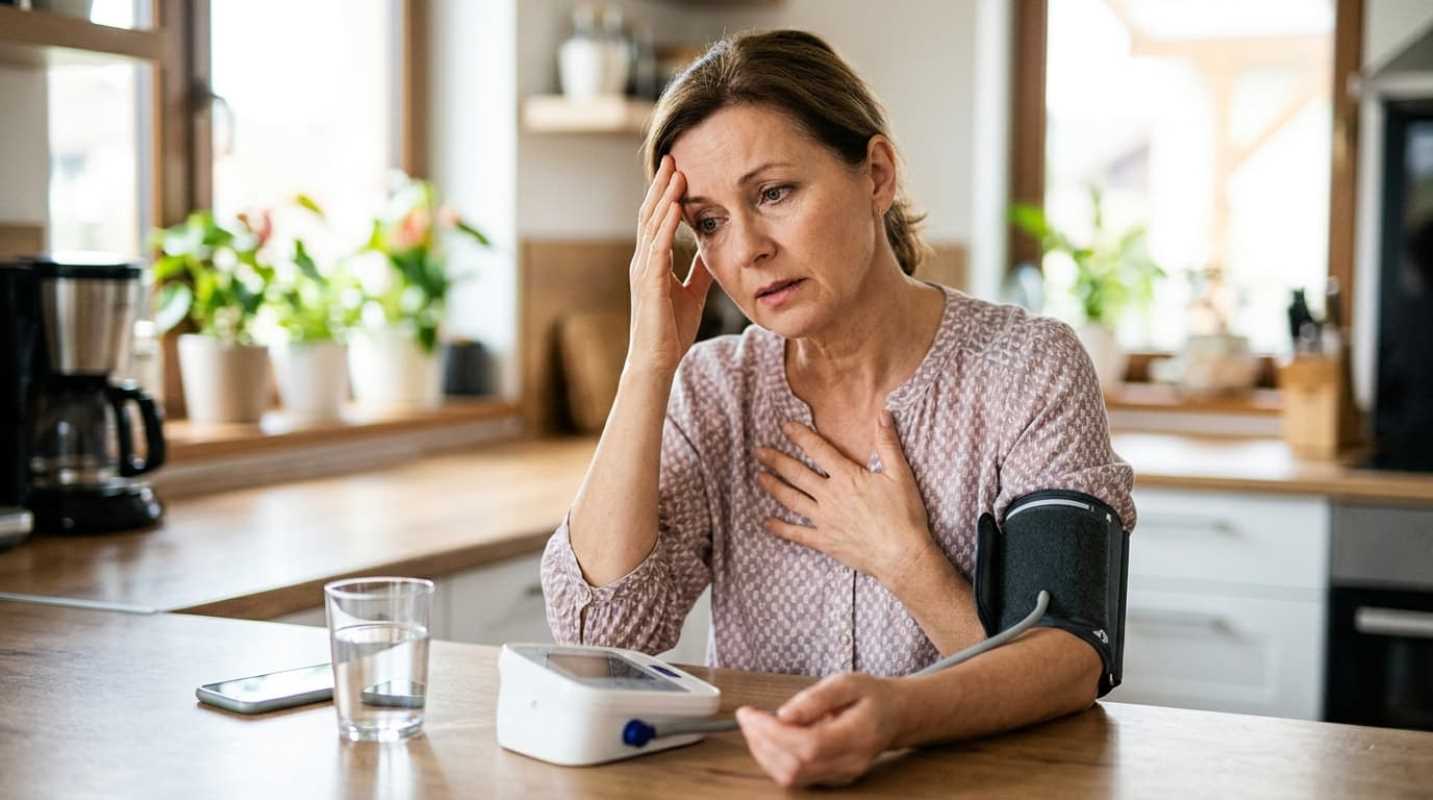
If feeling high blood pressure is impossible, tracking it is surprisingly simple. Home blood pressure monitoring is the best way to catch elevated numbers early and avoid false readings caused by doctor's office anxiety.
To make sense of your readings, you need to understand what both numbers mean. The top number, or systolic pressure, measures the force in your arteries when your heart beats. The bottom number, or diastolic pressure, measures the force when your heart rests between beats.
Updated medical guidelines classify blood pressure into several distinct action categories.
• Normal: Systolic under 120 mmHg and diastolic under 80 mmHg.
• Elevated or Stage 1: Systolic between 120 and 139 mmHg, or diastolic between 70 and 89 mmHg. European guidelines highlight this range for early lifestyle intervention, while U.S. guidelines classify Stage 1 at 130 to 139 systolic.¹
• Stage 2: Systolic of 140 mmHg or higher, or diastolic of 90 mmHg or higher.
• Severe spike: Blood pressure reading above 180/120 mmHg without any accompanying symptoms.
What should you do if your cuff shows a high reading like 180/120 mmHg? First, stay calm and sit quietly with your feet flat on the floor for five minutes. Take a second reading using a proper upper-arm cuff. If the second reading stays above 180/120 mmHg and you feel completely fine, do not panic or call an ambulance immediately. Contact your primary care provider or an urgent care clinic within 24 hours to adjust your treatment plan.²
But if that high reading comes with emergency red-flag symptoms, you need emergency care right away. Call 911 or head to the nearest emergency room immediately if a reading above 180/120 mmHg occurs alongside severe chest pain, sudden numbness or weakness, facial drooping, difficulty speaking, sudden shortness of breath, or sudden vision changes.³ These combination signs point to potential organ damage that requires immediate hospital treatment.
Taking Control: Your Path to Heart Health
Catching elevated blood pressure early gives you a major advantage. It means you can often make straightforward lifestyle adjustments to bring your numbers back into a safe range before medications become necessary.
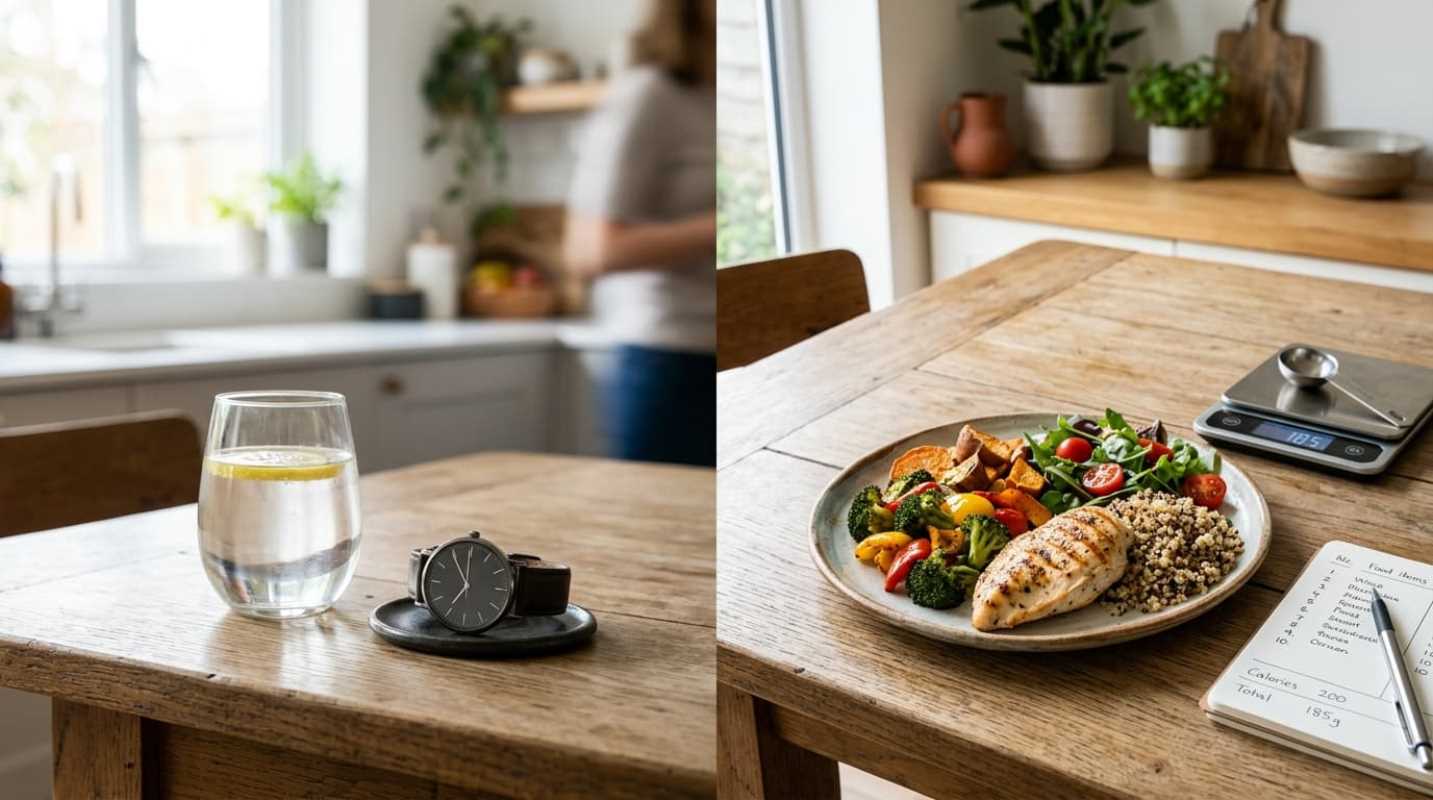
Lifestyle changes are your strongest daily defense against rising blood pressure. Cutting back on dietary sodium, eating a diet rich in potassium, whole grains, and lean proteins, getting at least 150 minutes of moderate exercise each week, and managing everyday stress can pull your numbers down significantly.
Equally important is building a productive relationship with your healthcare provider. Bring your home monitoring log to your checkups so your doctor can spot trends across weeks rather than relying on a single snapshot taken in a busy clinic setting.
Protecting your cardiovascular system is an ongoing commitment, not a quick fix. By taking charge of regular monitoring and reacting quickly to real warning signs, you protect your long-term health and keep your heart pumping strong for years to come.
Sources:
1. European Society of Cardiology Guidelines
https://www.cardioaragon.com/wp-content/uploads/2024-ESC-Guidelines-for-the-management-of-hypertension.EHeartJ.2024_.pdf
2. Sunrise Health System
https://www.sunrisehealthinfo.com/healthy-living/blog/high-blood-pressure-know-when-to-seek-emergency-care-in-las-vegas
3. UChicago Medicine AdventHealth
https://www.uchicagomedicineadventhealth.org/blog/how-recognize-and-respond-a-high-blood-pressure-emergency
*This article on FactBlast is for informational and educational purposes only. Readers are encouraged to consult qualified professionals and verify details with official sources before making decisions. This content does not constitute professional advice.*