Ever opened your medicine cabinet and wondered why a jar of ashwagandha or elderberry syrup is sitting right next to your daily multivitamin and ibuprofen? You are definitely not alone. Over the past few years, plant-based remedies have quietly moved from niche health food store shelves directly into mainstream kitchen cabinets across the country.
In fact, annual sales for herbal dietary supplements in the U.S. recently hit a record high of $13.2 billion.¹ That is a massive number, and it represents a second consecutive year of steady post-pandemic growth. So what does this shift actually mean for your daily wellness routine?
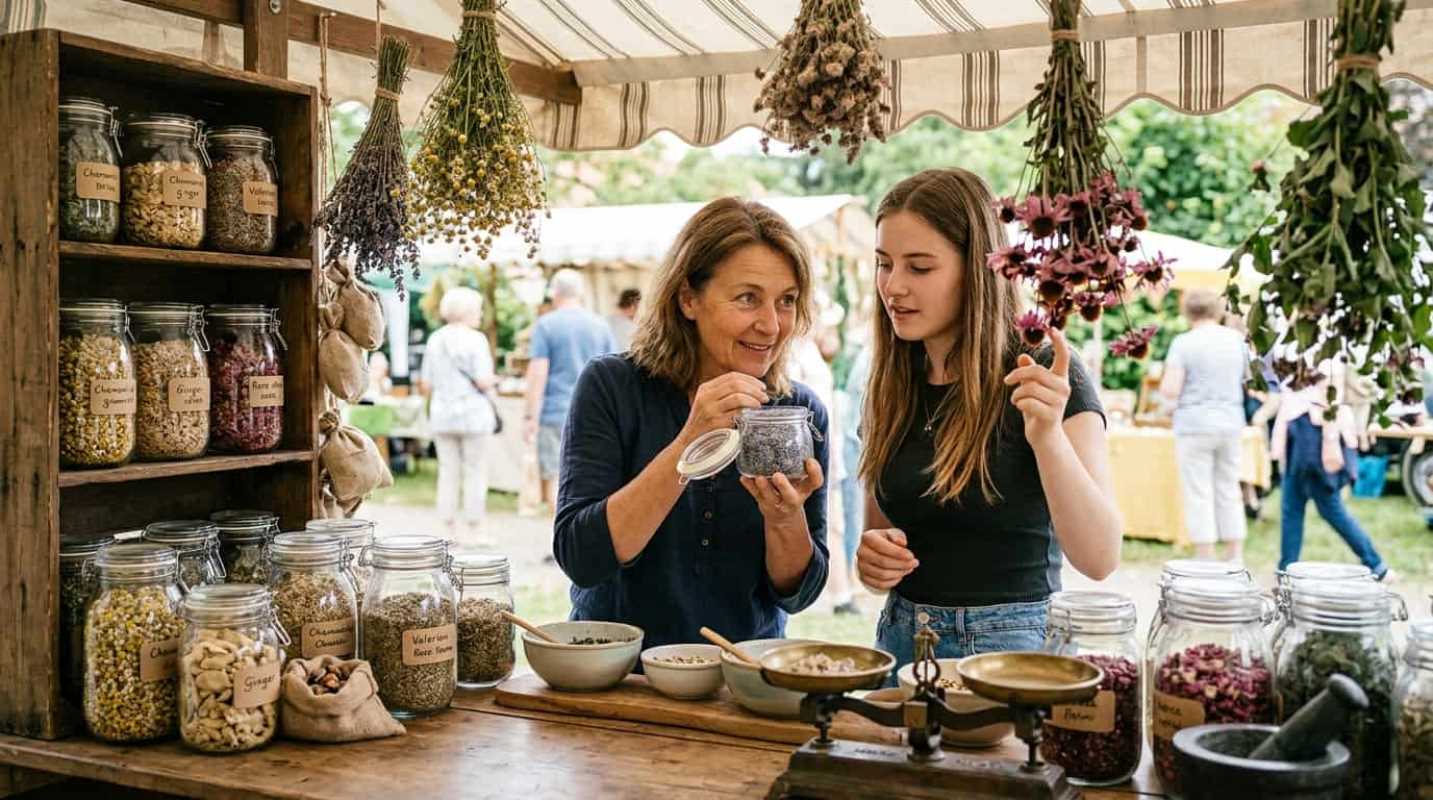
Modern herbalism is no longer just about brewing an occasional cup of chamomile tea when you feel stressed or nursing a mild sore throat. It represents a broad shift in how people view healthcare. Ancient traditions and rigorous scientific clinical trials are finally speaking the exact same language.
The Catalysts Behind the Surge
Why are millions of health-conscious consumers turning toward plant remedies right now? A huge part of the answer comes down to how personal health goals are changing. Instead of waiting until you get sick and running to the doctor for a reactive drug prescription, you are probably looking for proactive ways to care for your body every day.
Digital access has accelerated this mindset shift. Social media feeds are filled with creators reviewing green superfood powders, mushroom extracts, and adaptogen drinks. Information that used to require hours of digging through specialized books is now accessible on your phone screen in seconds.
Consumers are also moving rapidly toward functional, convenience-focused formats. Combination formulas that blend multiple synergistic botanicals now represent over half of all herbal supplement sales.
• Preventive Daily Care: Focus is shifting toward healthy aging, cardiovascular wellness, and digestive health rather than quick symptom fixes.
• Burnout and Cognitive Support: Spiking daily stress levels have increased interest in adaptogens like rhodiola and ashwagandha, alongside focus boosters like Lion's Mane mushroom.
• Targeted Botanical Trends: Trending ingredients reflect specific concerns, such as mullein for respiratory wellness, moringa for nutrients, and milk thistle for metabolic and liver support.
• Clean-Label Transparency: Buyers actively seek non-GMO, organic, and ethically sourced botanical options with clear ingredient lists.
Bridging History and Modernity
If you turn back the clock a few centuries, plants were humanity's primary pharmacy. That tradition never truly disappeared. The World Health Organization reports that roughly 80 percent of the global population still relies on traditional plant remedies for basic healthcare needs. Even wilder? Nearly 40 percent of conventional pharmaceutical drugs trace their active structural origins back to natural plant compounds.
What makes today different is how modern research validates these ancient practices. Clinical researchers are running double-blind, placebo-controlled trials on botanical extracts. Recent studies on standardized turmeric extracts show measurable benefits for joint comfort and inflammation pathways, while clinical trials on KSM-66 Ashwagandha demonstrate direct reductions in human cortisol levels.
At the same time, health organizations are creating structured global frameworks to preserve and study these practices. The World Health Organization launched a global traditional medicine approach running through 2034, accompanied by a digital global library that aggregates genomic and clinical research on botanical remedies.
Respecting the cultural origins of these remedies remains needed. Traditional systems like Ayurveda, Traditional Chinese Medicine, and Indigenous American herbalism have spent thousands of years gathering observational data. Treating these remedies with cultural respect ensures we honor the global heritage behind modern supplement formulas.
Navigating Safety and Efficacy Considerations
With all the excitement surrounding natural health options, it is very easy to fall into a common trap. Many consumers assume that if something comes from a plant, it is automatically safe. But natural does not mean completely risk-free. Poison ivy comes from nature, but you certainly would not brew it into a morning smoothie!
Herbal supplements contain real active biological compounds that alter your body chemistry. That is why standardization, quality control, and dosage matter so much. In the U.S., dietary supplements are regulated differently than prescription medicines, meaning product purity can vary significantly between brands.
Herb-drug interactions represent another area where caution is mandatory. Botanicals can alter liver enzymes or change how quickly your body absorbs prescription medications.
• Enzyme Interactions: Botanicals like St. John's Wort can alter liver enzymes, reducing the effectiveness of birth control or heart medications.
• Bleeding Risks: Garlic extracts, Ginkgo Biloba, and bilberry possess mild blood-thinning properties that can interact with prescription blood thinners.
• Quality Control: Buying standardized extracts with third-party lab testing helps make sure you get precise doses without harmful contaminants or heavy metals.
Before starting any new botanical routine, bring your supplement bottles to your next medical checkup. Sharing your complete health regimen with your doctor or pharmacist keeps your routine both safe and useful.
The Future of Integrative Wellness
Herbal remedies are clearly here to stay. They are securing a permanent spot alongside conventional treatments in hospital integrative oncology programs, functional gut clinics, and home medicine cabinets.
Your best path forward as a consumer is staying curious while maintaining healthy, important thinking. Look for trusted brands with clear ingredient sourcing, read up on clinical evidence, and pay close attention to how your body responds to different herbs.
You do not have to pick between modern pharmacology and natural plant wisdom. By blending validated botanical options with modern medical guidance, you can build a personal health routine that helps you feel your absolute best.
Sources:
1. American Botanical Council 2024 Herb Market Report
https://www.herbalgram.org/news/press-releases/2025/us-sales-herbal-supplements-2024-increase
2. Future Market Insights Herbal Supplements Report
https://www.futuremarketinsights.com/reports/herbal-supplements-market
*This article on FactBlast is for informational and educational purposes only. Readers are encouraged to consult qualified professionals and verify details with official sources before making decisions. This content does not constitute professional advice.*