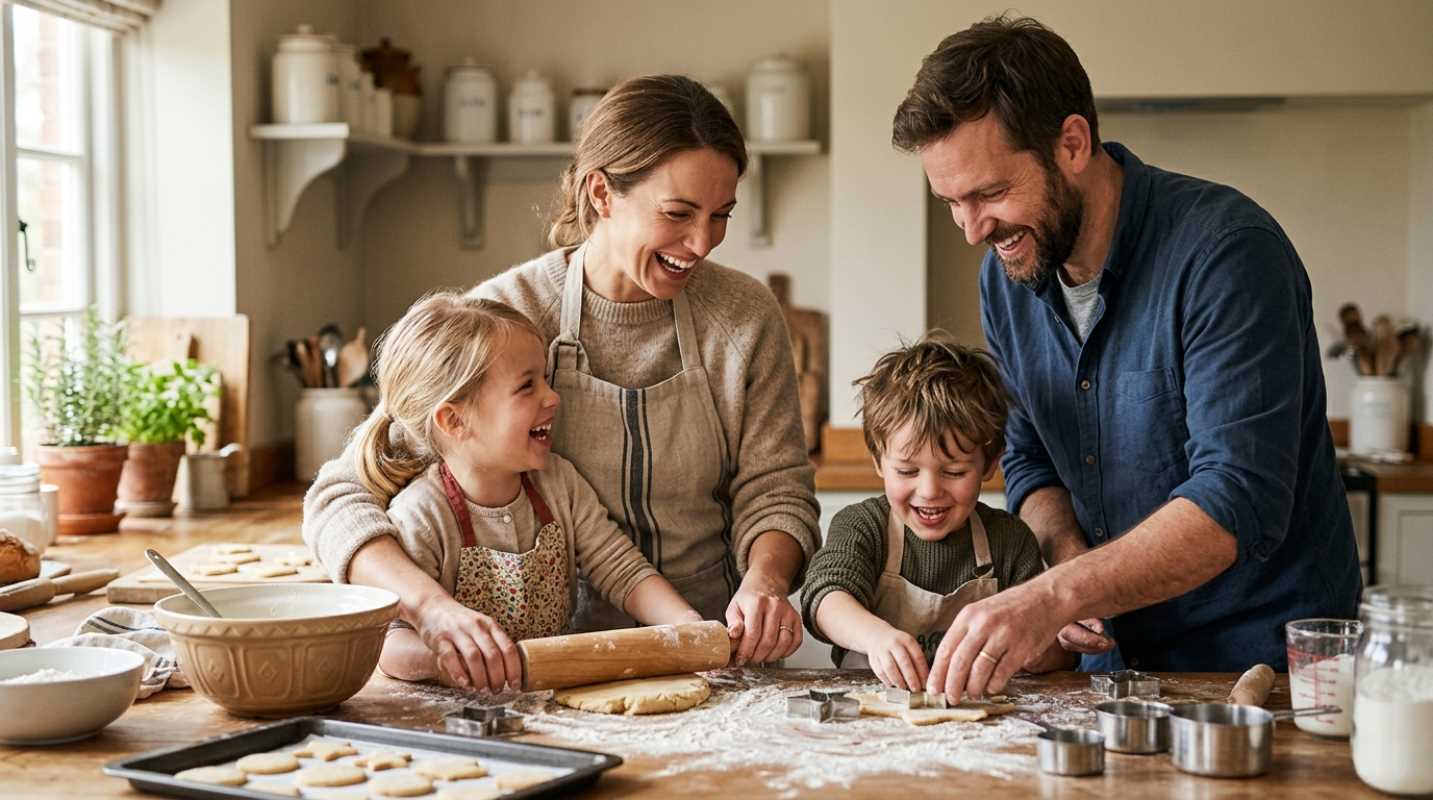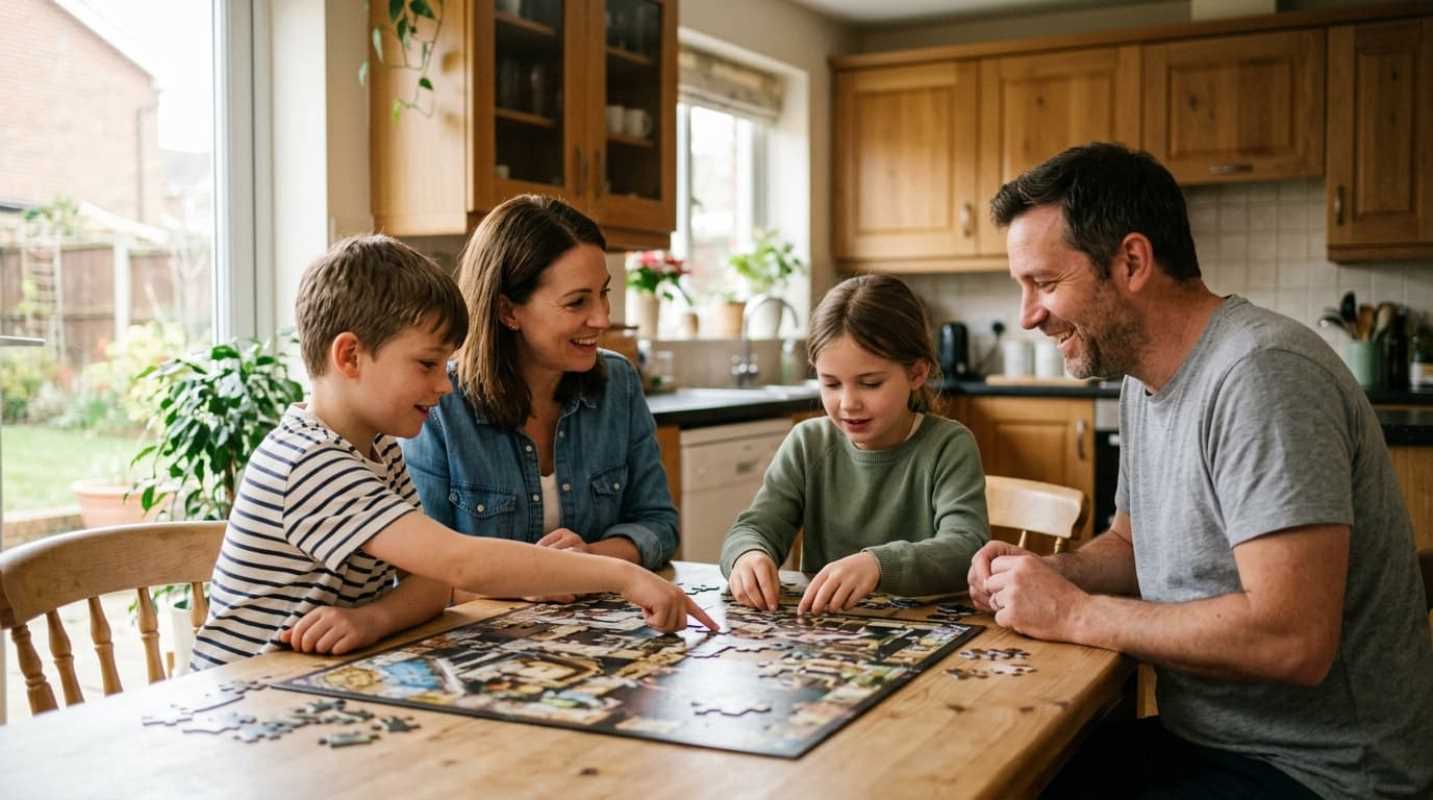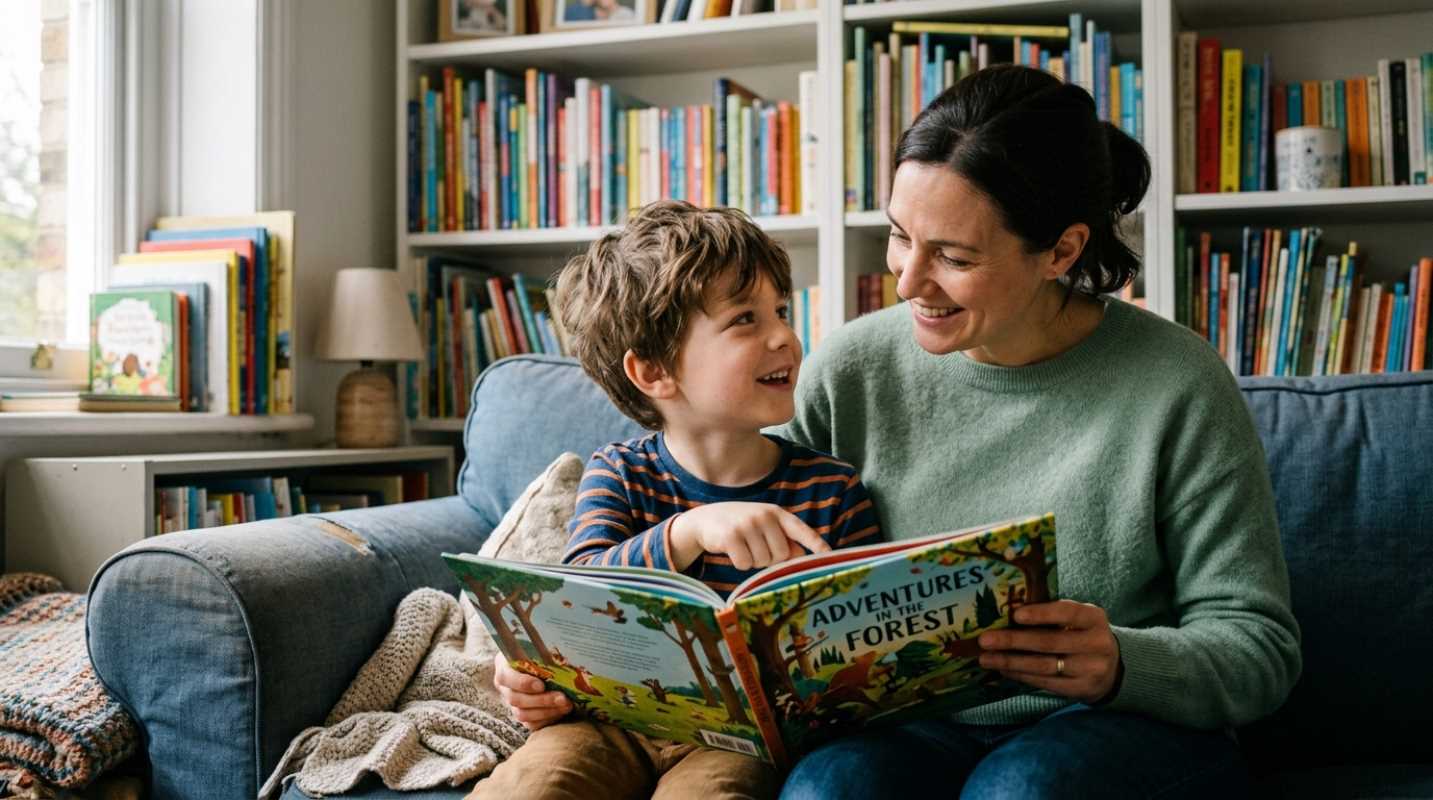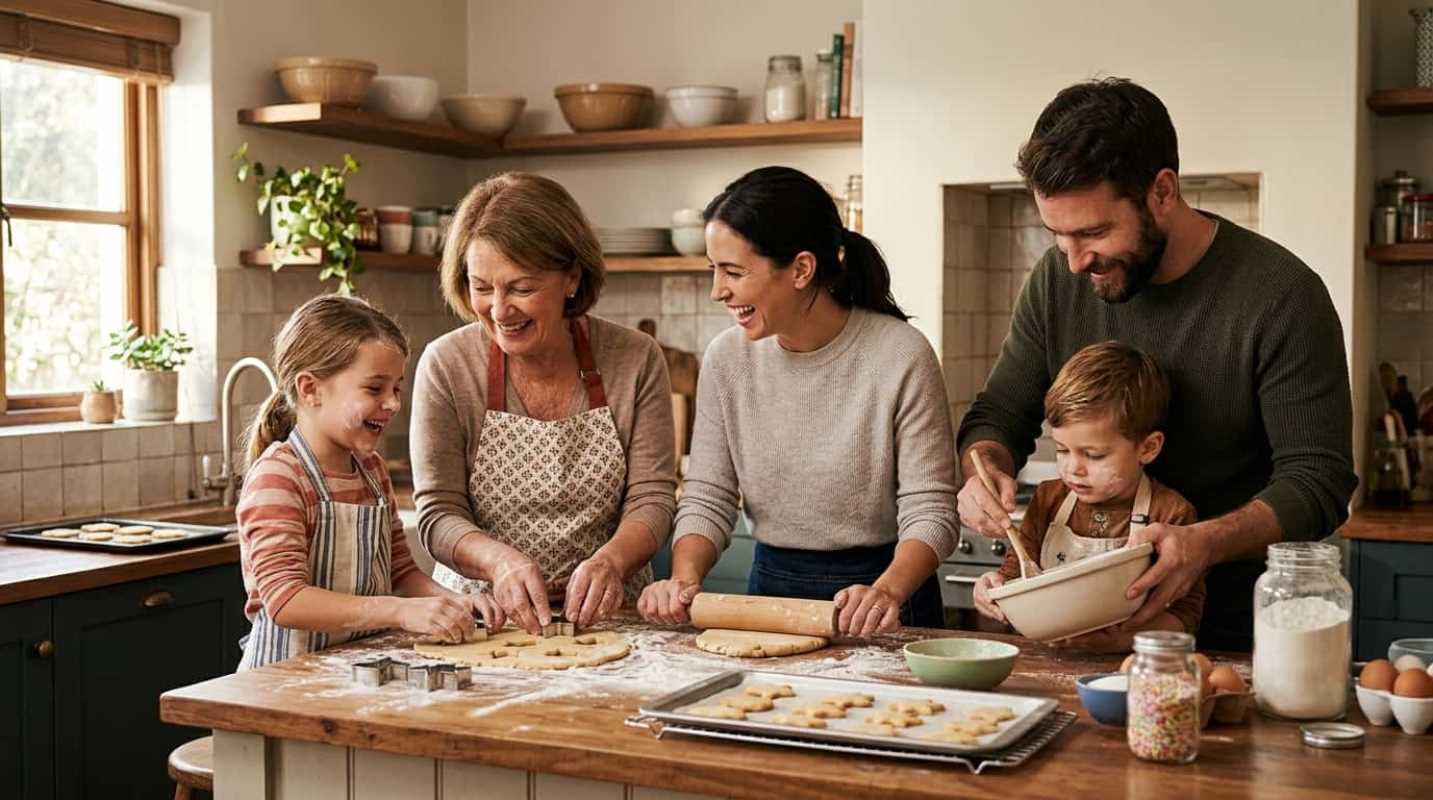
Do you ever look back at your childhood and wonder why certain random memories stick with you? Maybe it is the smell of garlic bread on a Friday night, or the silly song your dad sang whenever it rained. It is rarely the big, expensive vacations that define our memories. Instead, it is the small, predictable rhythms that make us feel safe.
In our fast-paced, highly digital world, creating these anchor points for your family is more important than ever. But how do we build them without adding more stress to our already overflowing to-do lists?
The Power of Small Moments and Why Traditions Matter
To start, we need to understand the difference between a routine and a tradition. Routines are all about efficiency and getting things done. Think of brushing teeth, packing school bags, or rushing out the door. They are necessary, but they do not exactly fill our emotional cups.
Traditions, on the other hand, carry emotional meaning and intentionality. They are repeated, shared activities that answer a simple question: Who are we, and what do we value as a family? Even a basic routine like dinner can become a tradition when you intentionally weave emotional connection and predictability into it.
This predictability is not just a nice concept. It is actually a biological necessity for children. According to child development expert Tania Johnson, consistent family rituals act as emotional anchors that lower stress hormones and calm the nervous system.¹ When the outside world feels chaotic, knowing that a specific ritual is waiting at home provides kids with deep emotional security.
These recurring experiences also help young children develop what psychologists call temporal competence. Because young kids struggle to understand the abstract concept of time, seasonal traditions help them make sense of the year. Knowing that you always carve pumpkins in October or visit the local pool in June gives them a comforting framework for how time works.
There is also some fascinating brain science at play here. When children anticipate and participate in family traditions, their brains release dopamine. This chemical boost does more than just make them happy. It actually strengthens memory formation. This is exactly why you can recall your own childhood holidays with such vivid clarity decades later. Your brain literally wired those experiences into your long-term memory.
This slowdown is especially important given the current state of family life. A recent U.S. Surgeon General’s Advisory on the Mental Health and Well-Being of Parents revealed that nearly half of all parents report a lot of daily stress. Simple traditions offer parents an intentional pause from this daily grind. It forces a momentary slowdown, helping to reduce parental burnout and creating a shared space of joy that benefits the entire household.
Everyday Rituals That Build Connection
You do not need to wait for major holidays to build these connections. In fact, the most powerful traditions are the ones you weave into your everyday life. They cost nothing and require very little prep work.
Here are a few simple daily and weekly rituals you can start today:
• The High and Low Check-in: During dinner, have everyone share the best part of their day (the high) and the most challenging part (the low). This simple practice builds emotional intelligence and active listening. It teaches kids that it is safe to talk about both wins and struggles.
• The Goodnight Secret Handshake: Create a unique, repetitive phrase or a secret handshake before bed. This physical and verbal connection signals safety and unconditional love right before they drift off to sleep.
• Friday Night Pizza and Movie: Make one night of the week completely predictable. Keep it simple, screen-free during dinner, and then gather for a shared movie. It gives everyone something easy to look forward to at the end of a long week.
• Forced Family Fun: This is a great term for families with teenagers. It is a non-negotiable, weekly block of time (even just one hour) where the family does an activity together. This could be a bike ride, a walk around the neighborhood, or a quick card game.
These small daily connections are also a powerful tool against the growing loneliness epidemic. With the rapid rise of technology, many teenagers feel more isolated than ever, even while being constantly connected online. Regular, screen-free family traditions bridge this gap. They provide teenagers with a grounded sense of identity and belonging that protects them from the isolating effects of social media.
Making Holiday Traditions Memorable Without the Stress
Holidays often bring a lot of pressure. We scroll through social media and feel like we need to create picture-perfect moments. But trying to do too much often leads to parental burnout.
If you want your holiday traditions to stick, you should focus on presence rather than perfection. Your kids will not remember if the decorations were professionally styled, but they will remember if you were stressed and yelling.
Consider curating low-pressure holiday traditions. You could start decorating for the holidays a little earlier than usual. A study by the American Christmas Tree Association found that a majority of people feel happier when surrounded by festive decor, and early decorating elongates those positive feelings. You can also start a simple holiday recipe swap or a pajama movie night.
To make these moments even more meaningful, involve your kids in the planning process. Dr. Michael Herd, a parenting expert, suggests asking your children what activities they actually enjoy and letting them help plan the traditions.² This builds decision-making skills and a deeper sense of belonging.
Seasonal and Weekend Traditions to Anchor Your Calendar
As the weeks blur together, weekend and seasonal traditions can help anchor your calendar. They give your family a rhythm that flows with the changing seasons.
• Do-Nothing Sundays: Dedicate one Sunday a month to completely unscheduled time. No sports, no errands, and no social commitments. Spend the day in pajamas, read books, or play board games. This teaches kids the value of rest in a culture that praises constant busyness.
• First Day of Season Adventures: Celebrate the start of spring, summer, autumn, and winter with a specific outdoor activity. It could be a hike to see the changing leaves, a trip to get ice cream, or a rainy-day puddle-jumping session.
• The Annual Giving Back Day: Establish a ritual of volunteering or making care packages for neighbors during a specific time of year. This is an incredible way to teach empathy and community connection.
As your children grow older, these traditions will naturally need to change. A teenager might roll their eyes at a bedtime song, but they might love a late-night coffee run or a weekend hike. Be willing to adapt the ritual while keeping the underlying connection alive.
How to Sustain Traditions When Life Gets Busy
The biggest threat to family traditions is busyness. When school, sports, and work take over, rituals are often the first things we drop. How do we keep them alive?
First, prioritize flexibility over rigid scheduling. If your Friday pizza night gets interrupted by a school play, do not abandon it. Move it to Saturday. The goal is connection, not perfection.
Second, communicate the meaning behind the ritual to your family. Let your kids know why these moments matter to you. When they understand that a weekly walk is your favorite way to catch up with them, they will be more likely to protect that time, too.
Finally, know when to retire old traditions. If a ritual has become a source of stress or no longer fits your family's lifestyle, it is okay to let it go. Psychologists note that children who grow up with regular family traditions tend to have higher self-esteem and stronger emotional resilience.³ But those benefits only come when the tradition brings joy, not obligation.
Let your traditions evolve as your family grows. The simple act of showing up, staying present, and laughing together is what your kids will carry with them into adulthood.
Sources:
1. Institute of Child Psychology
https://instituteofchildpsychology.com/family-traditions-as-anchors-why-rituals-matter-for-emotional-security/
2. Triple P
https://www.triplep.net/glo-en/find-out-about-triple-p/news/holiday-connections-how-family-traditions-strengthen-kids-wellbeing/
3. Psychology Today
https://www.psychologytoday.com/us/blog/once-upon-a-child/202511/the-lasting-power-of-family-traditions