Have you looked at your weekend calendar lately and felt exhausted before Saturday morning even arrives? Between organized sports leagues, back-to-back birthday parties, and endless errands, it's easy to feel like you're running a shuttle service rather than enjoying quality time with your kids.
The cost of keeping up with organized activities has surged in recent years. Youth sports fees alone have jumped significantly, making high-energy weekend schedules a heavy strain on family budgets. But throwing money at packed calendars is rarely the secret to deep emotional connection.
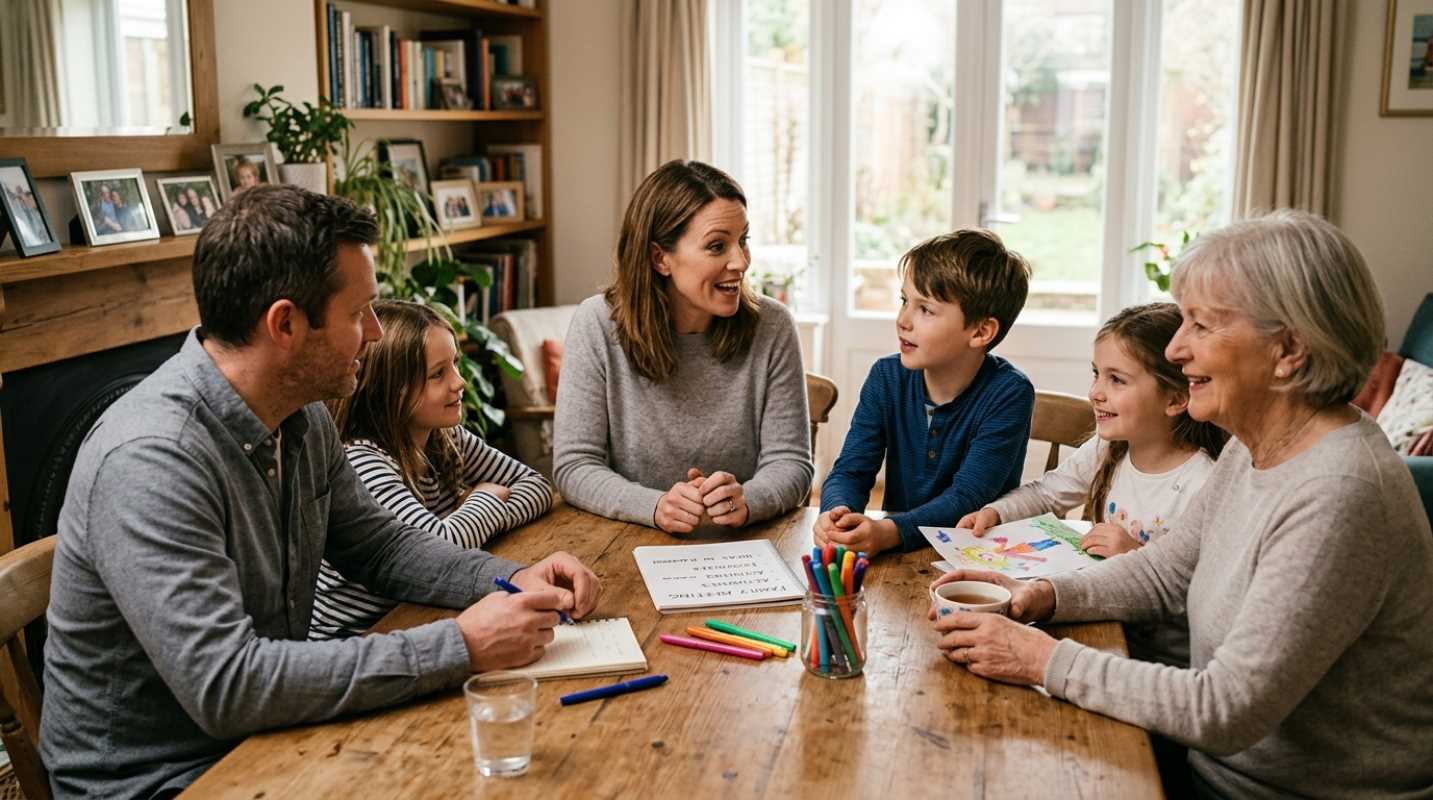
What children actually need is simple, intentional downtime with you. When you cut back on strict schedules, you give your kids room to relax and build needed emotional skills. Unstructured time acts like a buffer against daily pressure, helping kids develop impulse control, self-regulation, and confidence.
Think of downtime like hitting the reset button on a busy computer. It allows your brain to process the week, lowers stress levels for both parents and kids, and opens up natural opportunities to reconnect.
The Real Value of Slowing Down
Slowing down gives your family room to breathe, but it also creates space for real communication. When every hour is accounted for, conversations become transactional: "Put your shoes on," "Grab your water bottle," or "We're going to be late." Taking away the rush changes how you talk to each other.
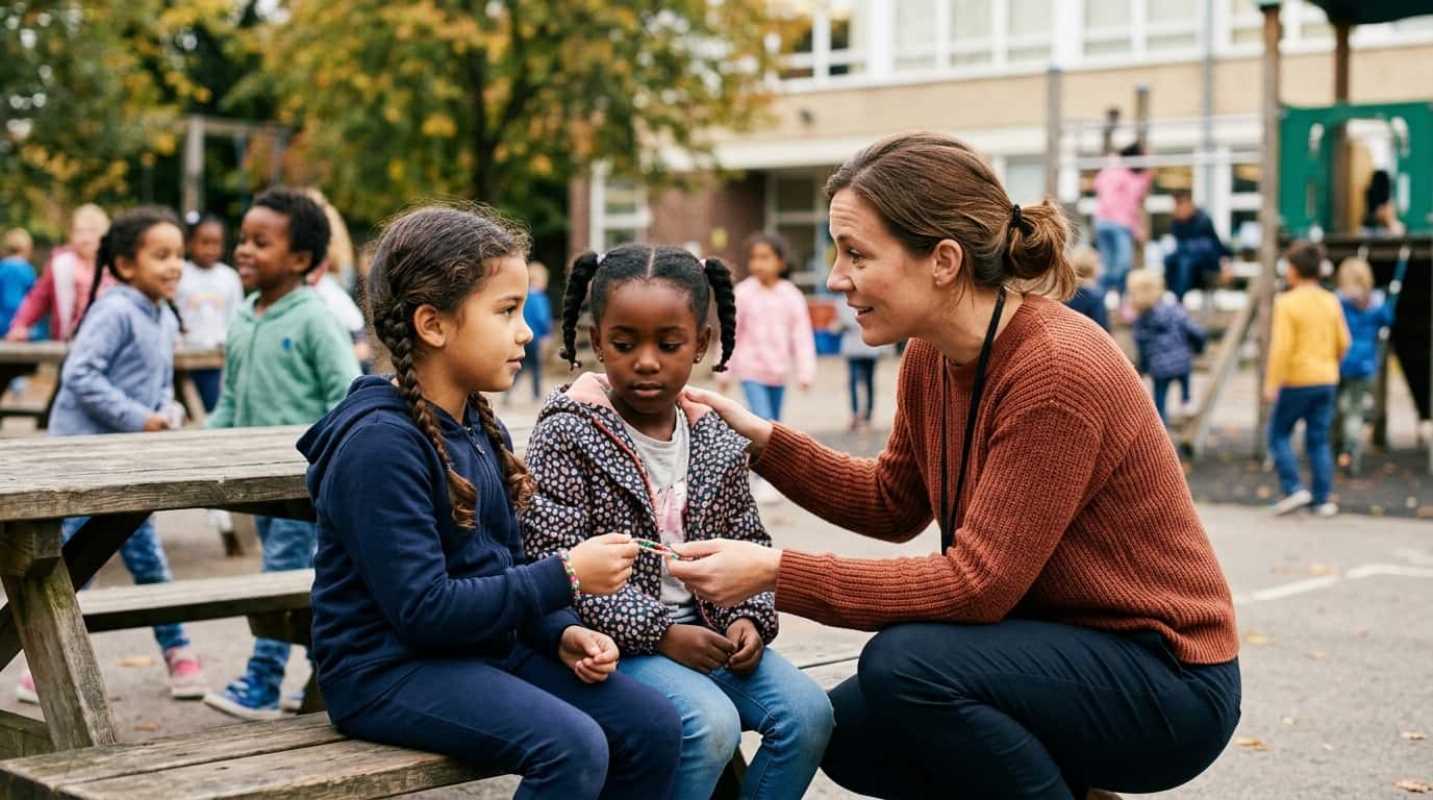
Intentional downtime also gives kids the safety net they need for emotional development. When children lead their own playtime alongside supportive adults, they learn how to handle frustration, share ideas, and resolve minor conflicts naturally.
Reframing your weekend as a chance to reconnect requires a mental shift. You don't need to treat Saturday and Sunday as a second workweek filled with obligations. Instead, viewing the weekend as a haven for rest lets everyone recharge before Monday hits.
Low-Lift Kitchen Adventures
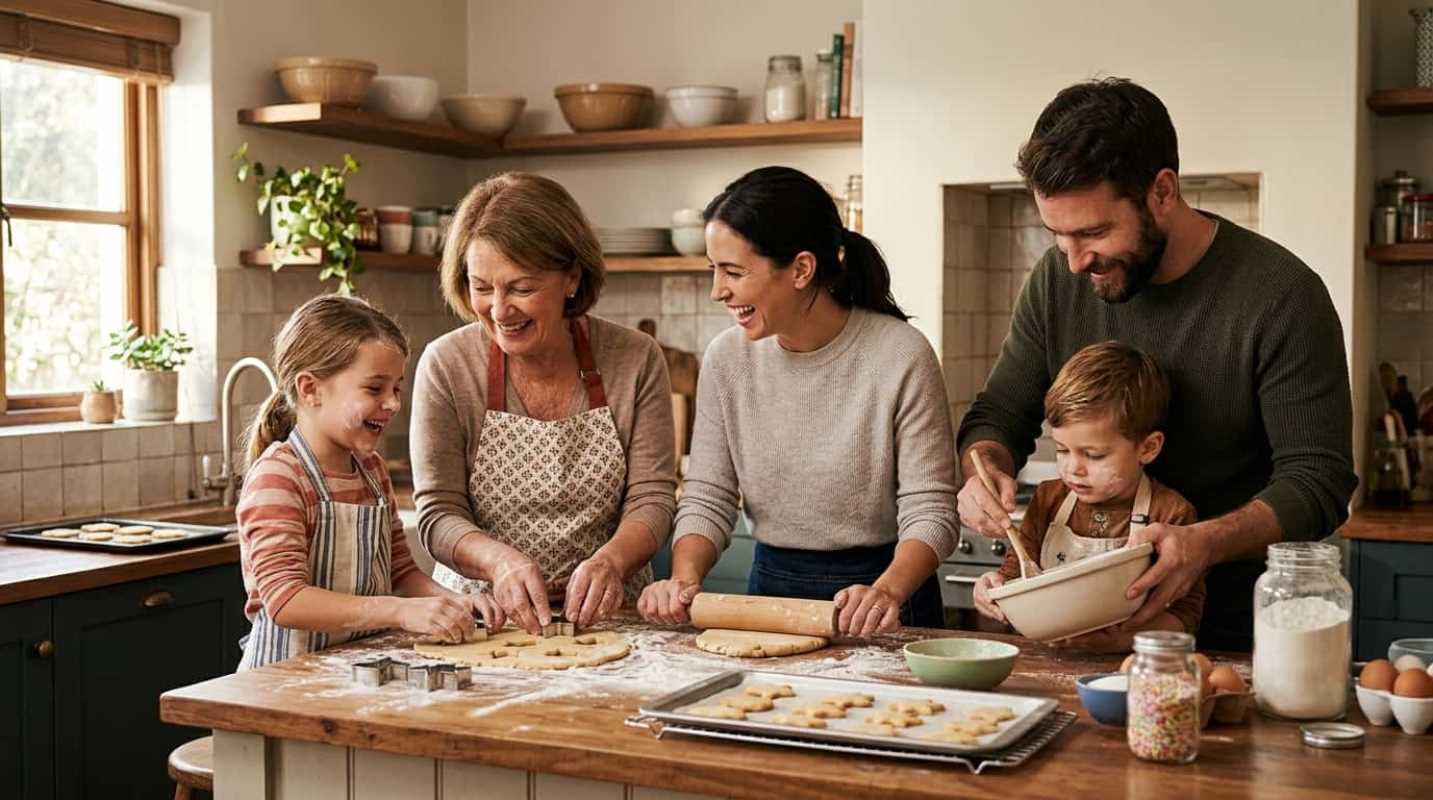
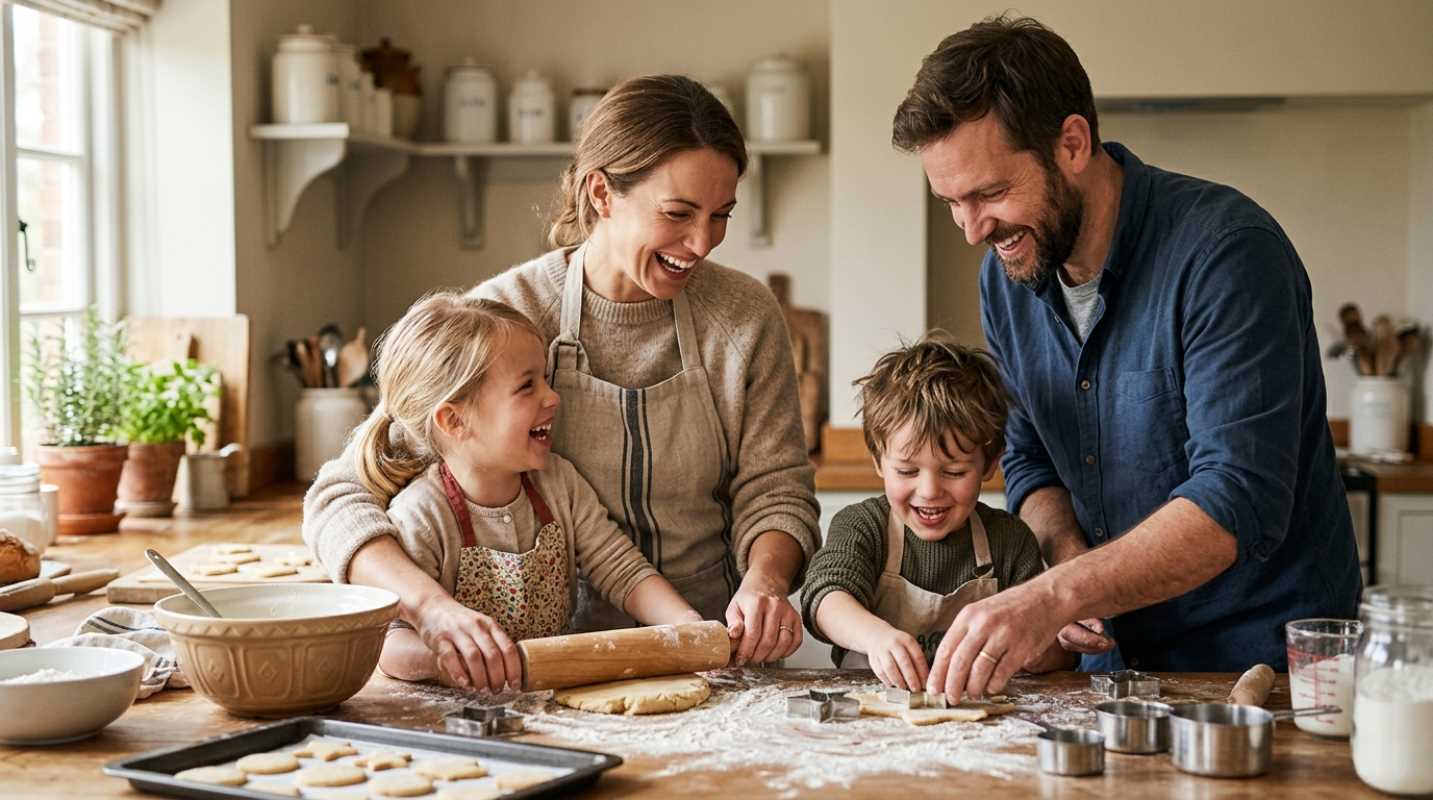
Cooking with young kids might sound like a chaotic mess, especially if you're picturing flour on the floor and eggshells in the bowl. Yet, inviting your children into the kitchen turns daily meal prep into an easy collaborative effort.
Sharing simple family meals on a regular basis is one of the strongest drivers of overall life satisfaction and personal happiness across the globe.¹ Eating together creates a sense of belonging that helps kids feel safe and valued.
You don't need to pull off an elaborate feast to get these benefits. Keep things low-pressure by turning supper into an interactive event
• DIY pizza night: Give everyone a ball of dough and let them assemble their own pizzas with different toppings.
• Baking challenges: Hand your kids a few basic ingredients and let them create a fun afternoon snack with minimal adult intervention.
• Custom snack bars: Set out dishes of nuts, dried fruit, and cereal so kids can mix their own trail mix for the week.
The secret to making this work is turning off all digital distractions. Store phones in another room while you chop vegetables and stir sauces. Without screens calling for your attention, natural conversations start flowing, turning basic kitchen tasks into memorable moments.
Bringing the Great Outdoors to Your Backyard
You don't need to drive hours to a distant national park to give your kids a taste of nature. Your back patio, yard, or nearby neighborhood park holds plenty of room for adventure.
Physical play in natural spaces actually changes how your bodies react to each other. When parents and kids play together without a set script, their physical responses align fast. Research shows that heart rate delays between parents and children drop from 14 seconds down to just 4 seconds during active play.² You literally lock into the same rhythm when you play together.
How do you bring this to life without spending hours planning?
• Loose parts building: Provide cardboard boxes, tree branches, old blankets, and plastic crates. Let your children build forts or obstacle courses without giving them step-by-step directions.
• Kid-led hikes: Take a walk along a local trail, but let your child pick the pace and path. If they want to spend fifteen minutes checking out a beetle on a log, follow their lead without rushing toward a destination.
• Backyard picnics and stargazing: Move dinner outside on a sunny evening, or lie down on a blanket at night to look for bright constellations.
Giving children unstructured outdoor time builds their problem-solving skills and gives everyone a chance to share pure, unscripted laughter.
The Power of Digital Detox and Analog Fun
Breaking away from screens feels hard for adults and kids alike, but children are actually eager for a break. Recent polling shows that 74 percent of kids between ages 8 and 12 prefer in-person, screen-free fun over spending time on devices.³ They want real interaction, even if screen time seems like their default setting.
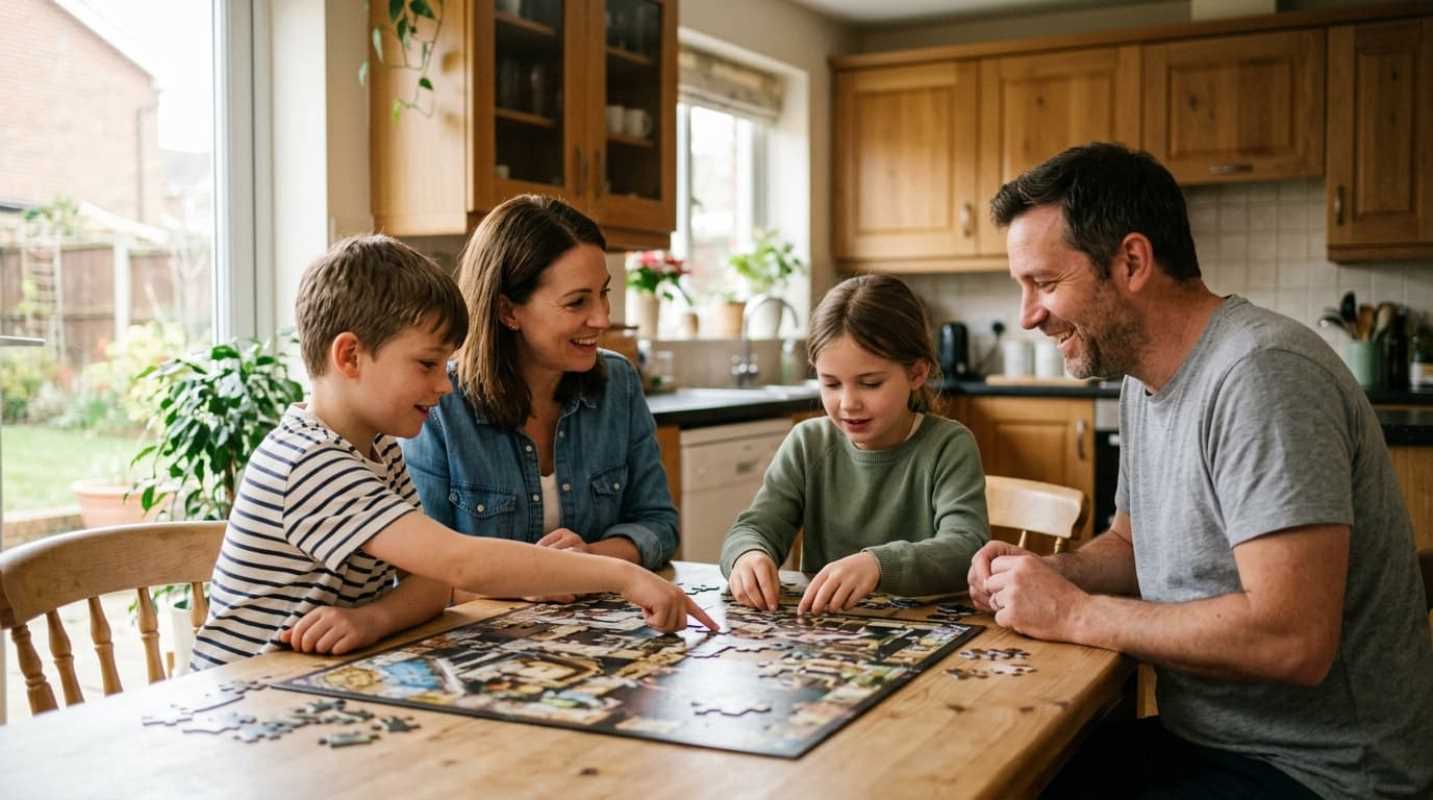
Replacing digital devices with analog games creates an instant shift in your home's energy. Classic board games and card games are ideal for getting everyone to make eye contact, talk, and share a few lighthearted laughs.
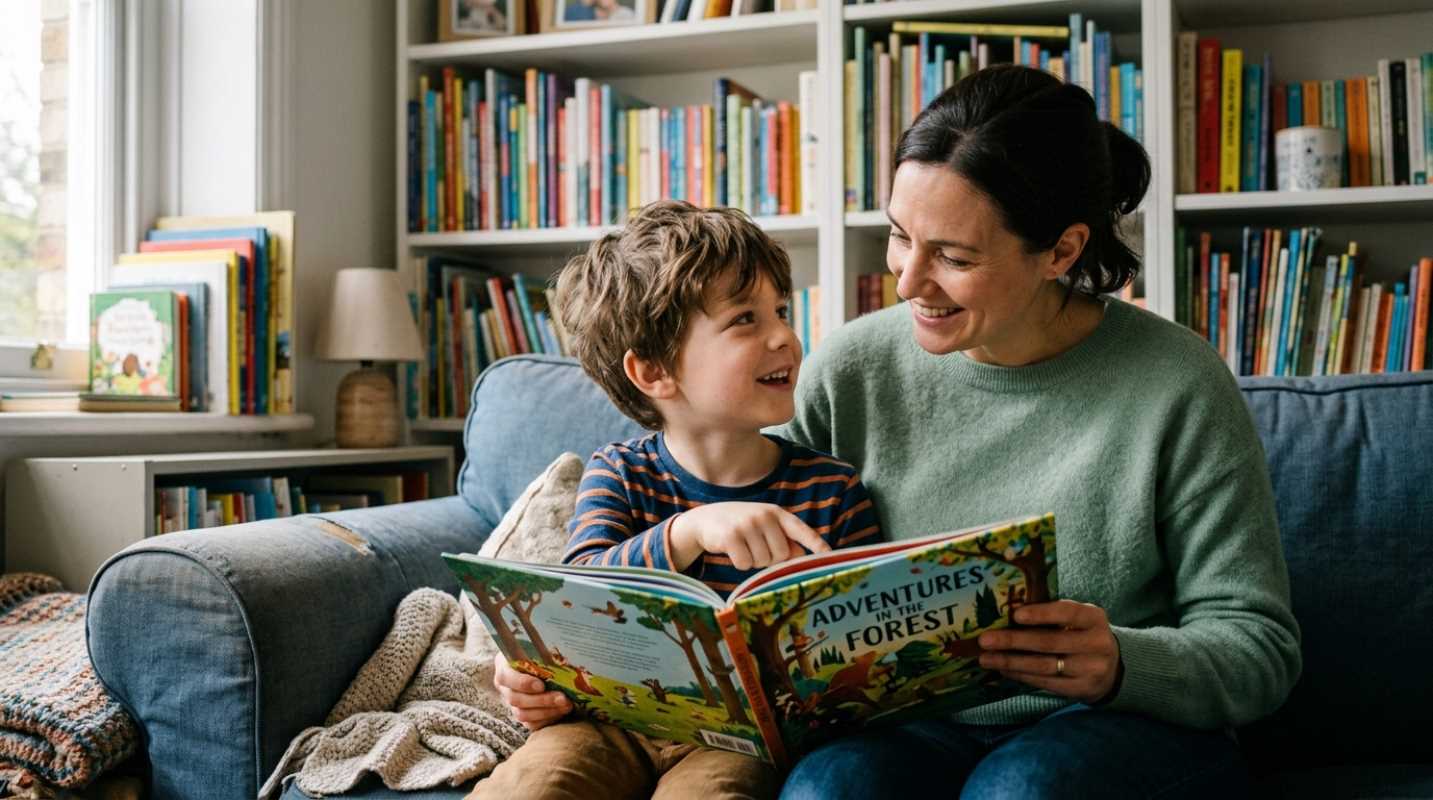
Building a family reading spot in your living room is another effortless option. Throw some floor pillows, throw blankets, and a stack of favorite books into a quiet corner. You can read a chapter book aloud to the whole group or simply sit side-by-side enjoying your own books.
Storytelling games are also great for boosting communication and empathy. Start a story with a single wild sentence, then pass the turn to the next family member to add the next line. It requires no equipment, costs nothing, and gets everyone thinking creatively.
Making Memories Through Community Connection
Building closer ties as a family doesn't mean staying cooped up indoors all weekend. Getting involved in your local neighborhood gives your kids a broader sense of community while creating strong family memories.
Connecting locally can take many forms
• Volunteering together: Spend a Saturday morning helping out at a community garden, sorting items at a food pantry, or cleaning up a local park.
• Exploring local markets: Walk through a weekend farmers market, sample local fruits, and let your kids help pick out fresh ingredients for dinner.
• Establishing simple traditions: Build micro-traditions your kids can look forward to every single week, like Saturday morning walk-and-talks or Sunday evening trips to the local ice cream shop.
Children thrive on predictable, warm routines. Taking part in these neighborhood activities teaches values naturally and turns ordinary weekends into meaningful markers of growing up.
Consistency Over Grand Gestures
At the end of the day, strong family relationships aren't built on one huge, expensive trip to an amusement park. They're built through quiet, repeated moments shared week in and week out.
Parents often feel huge pressure to curate picture-perfect weekends packed with epic adventures. Release that heavy expectation completely. Your children won't remember whether the house was pristine or if your craft project looked like a masterpiece. They'll remember that you were there, fully present and laughing alongside them.
Start small this coming Saturday. Pick one simple idea from this list, leave your phone in the other room, and spend an hour fully engaged with your kids. That simple choice will pay off in stronger, deeper family bonds for years to come.
Sources:
1. New Research: Family Dinners Boost Happiness
https://thefamilydinnerproject.org/new-research-family-dinners-boost-happiness/
2. Playing Connects Families
https://www.madeformums.com/news/family-news/playing-connects-families/
3. As Kids Adapt to Boredom, Unstructured Fun Rises Again
https://www.dailypress.net/life/features/2026/02/as-kids-adapt-to-boredom-unstructured-fun-rises-again/