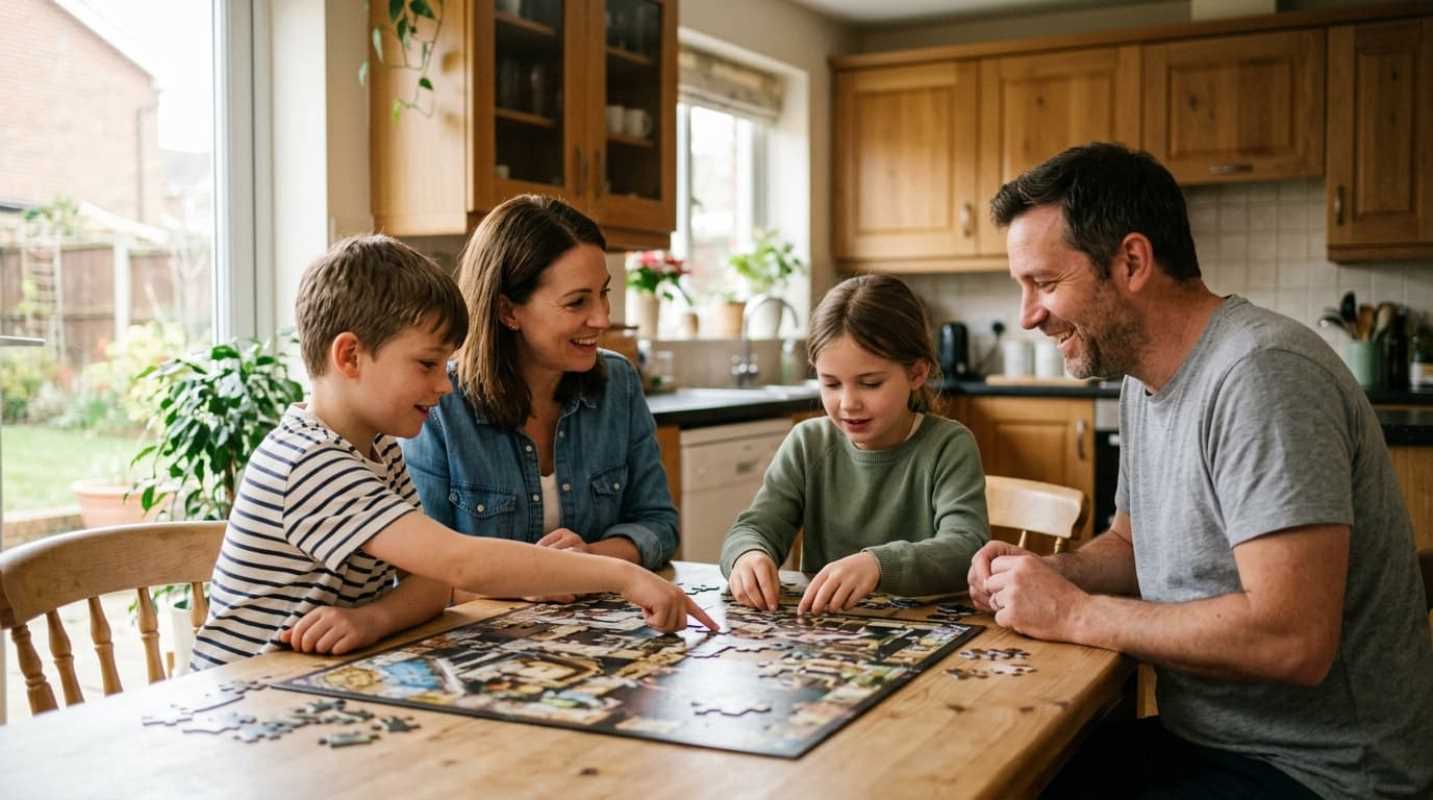
Have you ever looked at your bank account after a weekend with the family and winced? We've all been there. It's easy to fall into the trap of thinking that to give our loved ones a great experience, we have to swipe a credit card. Theme parks, expensive dinners, and movie tickets can quickly drain a budget. But do these pricey events actually make us closer?
The truth is that a deep connection doesn't have a price tag. When you look back at your own favorite childhood memories, what do you actually remember? It's rarely the expensive vacation where everyone argues in the airport. It's usually the silly, unplanned moments. Maybe it's the time the power went out, and you ate ice cream by candlelight, or a rainy afternoon spent building a fort out of kitchen chairs.
Shifting your perspective from doing to being is the first step. This means focusing on the person in front of you rather than the activity itself. When we strip away the pressure of spending money, we free up mental space to just enjoy each other's company. You don't need to buy a memory. You just need to be present.
Prioritizing Screen-Free Time in a Digital World
Of course, the biggest competitor for our attention these days isn't a busy schedule. It's that glowing rectangle in your pocket.
Our homes are more connected than ever, but we often feel more isolated. A new October 2025 study by Lurie Children's Hospital revealed that 49% of parents rely on screens daily to manage parenting responsibilities.¹ Surprisingly, 1 in 4 parents admitted to using screens because they couldn't afford childcare, and 34% turned to them when they couldn't find childcare.¹
This reliance comes with heavy emotional baggage. The same study found that 60% of parents feel guilty about their child's screen time, and 55% believe screens interfere with quality family time.¹ Device ownership is climbing fast, too. According to the 2025 Common Sense Census, 81% of children under 13 now own their own device.² By age eight, 1 in 4 children own a smartphone.²
This digital lifestyle has real consequences. In May 2026, the U.S. Surgeon General issued a major advisory warning of the harms of excessive screen use on youth mental health, urging families to establish regular screen-free times.³ When screens replace face-to-face conversation, physical play, and reading, children miss out on key developmental milestones.
So how do we reclaim our time? Pediatricians recommend starting with clear boundaries rather than attempting a sudden, stressful digital detox.
• Establish screen-free zones: Keep devices completely out of the dining room and bedrooms. This protects mealtimes for conversation and keeps screens from disrupting healthy sleep.
• Model the behavior: Children mirror adult habits. If you're constantly checking your email at the dinner table, your kids will copy that behavior. Put your phone away first.
• Crowd out the screens: Instead of constantly telling kids what they cannot do, fill their schedule with fun, low-cost alternatives so that screens are naturally pushed aside.
Curating Memorable Family Activities at Home
You don't need to plan an elaborate event to make an afternoon special. You can easily turn normal, everyday routines into shared rituals that everyone looks forward to.
The key is to focus on cooperation and laughter. Here are a few simple, low-prep activities you can try at home without spending a dime.
• The weekly reset game night: Set aside a dedicated, recurring one-hour block for classic board games, card games, or charades. These require zero technology and naturally spark conversation.
• The paper airplane distance challenge: Use scrap paper to design custom airplanes. Have everyone compete for distance, accuracy, or the most unique design.
• Living room campouts: Build a massive blanket fort using couch cushions, chairs, and bedsheets. Camp out inside with flashlights, tell stories, or read books aloud.
• Cooperative kitchen teams: Turn meal prep into a team sport. Assign age-appropriate tasks like letting toddlers wash vegetables or having older kids measure ingredients. This teaches life skills and provides a natural space for casual conversation.
• Sock puppet theater: Gather old, mismatched socks, markers, and scrap paper to create puppets. Write a short, silly play together and perform it behind the couch.
Exploring Budget-Friendly Fun in Your Local Community
Step outside your front door and you'll find that your local community is packed with free resources. Getting out of the house is also a fantastic way to protect your physical health.
Like, studies show a direct link between high screen use and nearsightedness in children. Outdoor play is the primary preventative measure. Taking your family outside isn't just fun, it's needed health care.
• Nature walks and green time: Take a walk in a local park and challenge your kids to identify different birds, bugs, or leaves. Spending time in nature naturally improves mood and reduces stress.
• Backyard water games: On warm days, use a simple garden hose, sprinklers, or reusable water balloons for active, physical play.
• Local library outings: Public libraries are goldmines for free family connection. Beyond borrowing books, most libraries host free weekly family events, create hours, and storytimes.
• Community events: Look for free museum days, outdoor concerts, or neighborhood potlucks where everyone brings a simple dish to share in the park.
Building Consistency Without Breaking the Bank
How do we keep this momentum going? The secret is consistency. A massive, expensive vacation once a year doesn't build strong relationships nearly as well as small, frequent moments of connection.
To make this a habit, sit down together and create a simple connection calendar. Let everyone in the family pitch in ideas. When kids feel like they have a say in how you spend your time, they're much more likely to participate with enthusiasm.
Keep it simple. Maybe Tuesday nights are for backyard walks, and Friday nights are for kitchen dance parties. You don't need to spend a dime to build a home filled with warmth, laughter, and memories that will last a lifetime.
Sources:
1. Lurie Children's Hospital Screen Time Study
https://www.luriechildrens.org/en/blog/screen-time-2025/
2. Common Sense Census Device Ownership Data
https://tinylearns.com/blogs/learn/how-much-screen-time-does-the-average-child-get
3. Surgeon General Advisory on Screen Use
https://www.forbes.com/sites/omerawan/2026/05/21/the-new-surgeon-general-advisory-on-the-harms-of-screen-use--heres-what-the-science-says-about-risks-and-benefits/