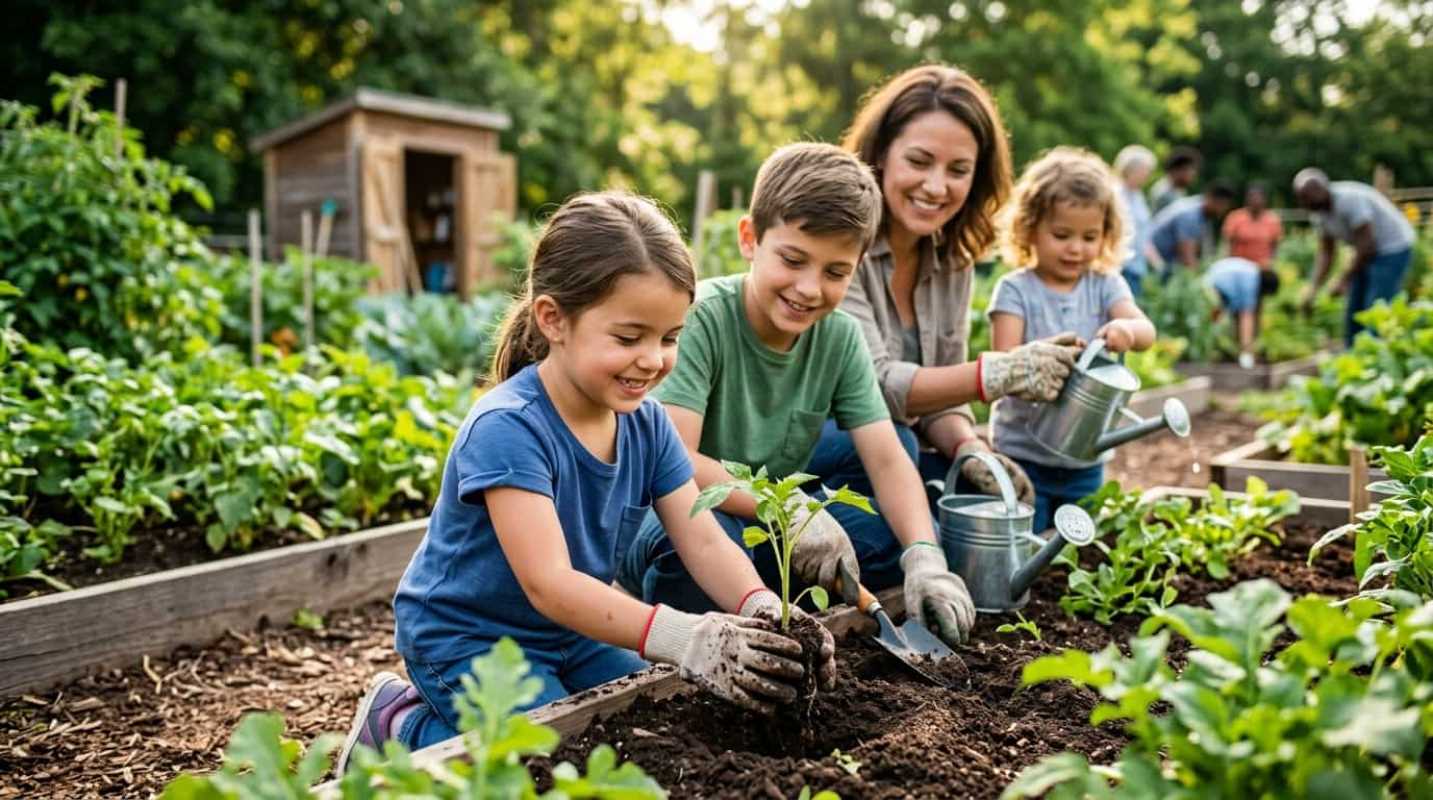
Ever tried convincing a seven-year-old to clean their bedroom? It usually involves a lot of sighing, heavy negotiations, and lingering by the snack pantry. Now imagine asking that same child to help pack food boxes for families down the street. Surprisingly, you might get a totally different reaction. Children naturally want to help, but we often confine their efforts to household chores. When you shift the focus outward toward community service, something incredible happens. Kids start seeing themselves as active contributors to the world around them rather than just people following house rules.
Research shows that empathy isn't just an innate trait that kids either have or don't have. It can be actively cultivated starting as young as age two. A study by UTHealth Houston found that children who volunteer regularly are 18% to 35% less likely to experience symptoms of anxiety or depression.¹ Data from the National Institute on Out-of-School Time reveals that 76% of kids who volunteer feel happier and more connected to their community.²
So how do you actually build this habit without making it feel like extra homework? The secret is matching the activity to your child's developmental stage.
The Toddler and Preschool Years: Small Acts of Kindness
At ages two through four, abstract concepts like civic responsibility mean very little. Young kids understand what they can touch, see, and hold. For this age group, volunteering works best when it consists of simple, hands-on tasks that connect giving directly to immediate emotional joy.
Think of it like building a physical muscle. You start with light repetitions that feel fun rather than exhausting. Here are a few ways to introduce your tiny humans to giving back:
• Kindness cards: Set out some crayons and paper, then ask your toddler to color notes for firefighters, healthcare workers, or residents at a nearby senior center.
• Tangible food drops: Let your preschooler pick out non-perishable items at the grocery store, carry them to the car, and drop them straight into a community pantry box.
• Bucket cleanups: Hand your child a small plastic bucket or child-safe grabber on your next park walk to pick up stray paper and cups.
• Care packages: Assemble basic comfort kits with bottled water, snacks, and socks to hand to delivery drivers or community helpers.
The key here is talking through the explanation. When dropping off canned goods, tell them clearly, "This food is going to help a neighbor who is hungry tonight." That direct link lays the foundation for genuine emotional intelligence.
Elementary School: Finding Passion Led Service
As kids hit elementary school, their personalities pop into full view. One kid might obsess over sea turtles, while another wants to bake cupcakes all weekend. This is the sweet spot for passion-led service.
Instead of assigning a random project, ask your child what bothers them or what they care about most in their world. If they love animals, collecting old blankets for a shelter feels like a reward rather than a job. When kids take ownership of a cause, consistency becomes effortless.
Here are great service options for elementary kids and tweens:
• Bake sales and stands: Host a hot cocoa or lemonade stand where your child selects the local animal shelter or children's hospital to receive the earnings.
• Shelter support: Collect towels and pet food for local shelters, or sign up for reading programs where kids read stories aloud to help socialize rescue dogs and cats.
• Food bank sorting: Spend a weekend morning together as a family sorting and packing boxes at a regional food bank or neighborhood pantry.
• Trail and park restoration: Join organized cleanups along local rivers, beaches, or hiking trails with a conservation group.
Balancing school, sports, and regular service can feel tough. You don't need to sign up for weekly shifts. Doing a quick monthly project or a quarterly family service day works wonders for creating a steady habit without burning anyone out.
Middle and High School: Developing Leadership and Impact
By the time kids reach middle and high school, they crave independence. They want real responsibility, not just kid-level tasks. This stage is all about shifting from guided family projects to youth-led community leadership.
Teens are also starting to think about who they want to become. A national survey by Gallup showed that 52% of youth who participated in service felt it directly improved their career readiness.³ Teens reported noticeable boosts in public speaking, teamwork, and communication skills.
Here is how teenagers can make a tangible mark in their communities:
• Peer tutoring and mentoring: Help younger kids with reading or math at local libraries or after-school programs.
• Senior tech support: Host drop-in hours at a community center to help older adults handle smartphones, tablets, or email accounts.
• Direct meal service: Cook or serve hot meals at soup kitchens, or deliver food alongside parents through local meal delivery initiatives.
• Digital advocacy and campaign organizing: Join youth advisory boards or launch school-wide drive campaigns using national platforms like DoSomething.org.
When teens see that their specific skills can fix real problems, service stops being a resume-stuffer. It becomes a core part of their identity.
Overcoming Common Roadblocks to Family Volunteering
Let's be realistic for a second. Between sports schedules, homework, and work obligations, adding one more item to the family calendar can feel a lot of. What happens if your kid complains or flat-out refuses to participate?
First, don't force it like a punishment. If service feels like extra chores, kids will push back hard. Start ridiculously small. A 20-minute neighborhood trash pick-up on a sunny afternoon counts just as much as a four-hour weekend shift at a shelter.
Second, keep the experience social. Turn cleanup days into a friendly competition with a small prize at the end, or invite another family along so your kids can hang out with friends while helping out.
Finally, leave time for conversation afterward. Over ice cream or dinner, ask simple questions: What surprised you today? How do you think our work helped? Those quick chats help kids process what they experienced and lock in the emotional benefits of giving back.
Resources for Family Volunteering
Finding age-appropriate volunteer projects in your area doesn't have to require hours of online research. Several dedicated platforms make it easy to filter service opportunities by age group, location, and cause.
• Points of Light: Offers a family volunteer directory and sponsors national service events like Family Volunteer Day every November.
• Doing Good Together: Provides downloadable family service kits, conversation starters, and home-based volunteer project ideas tailored for young kids.
• VolunteerMatch: Features search filters specifically designed to highlight kid-friendly and group volunteer opportunities in local communities.
Sources:
1. Empathy in Action: Why Volunteering With Kids Today Shapes a Better Tomorrow
https://charitableadvisors.com/empathy-in-action-why-volunteering-with-kids-today-shapes-a-better-tomorrow/
2. Family Volunteering: It’s More Than You Think
https://www.unitedway.org/news/family-volunteering-its-more-than-you-think
3. Service and Volunteer Work Linked to Key Benefits for Youth
https://news.gallup.com/poll/702380/service-volunteer-work-linked-key-benefits-youth.aspx