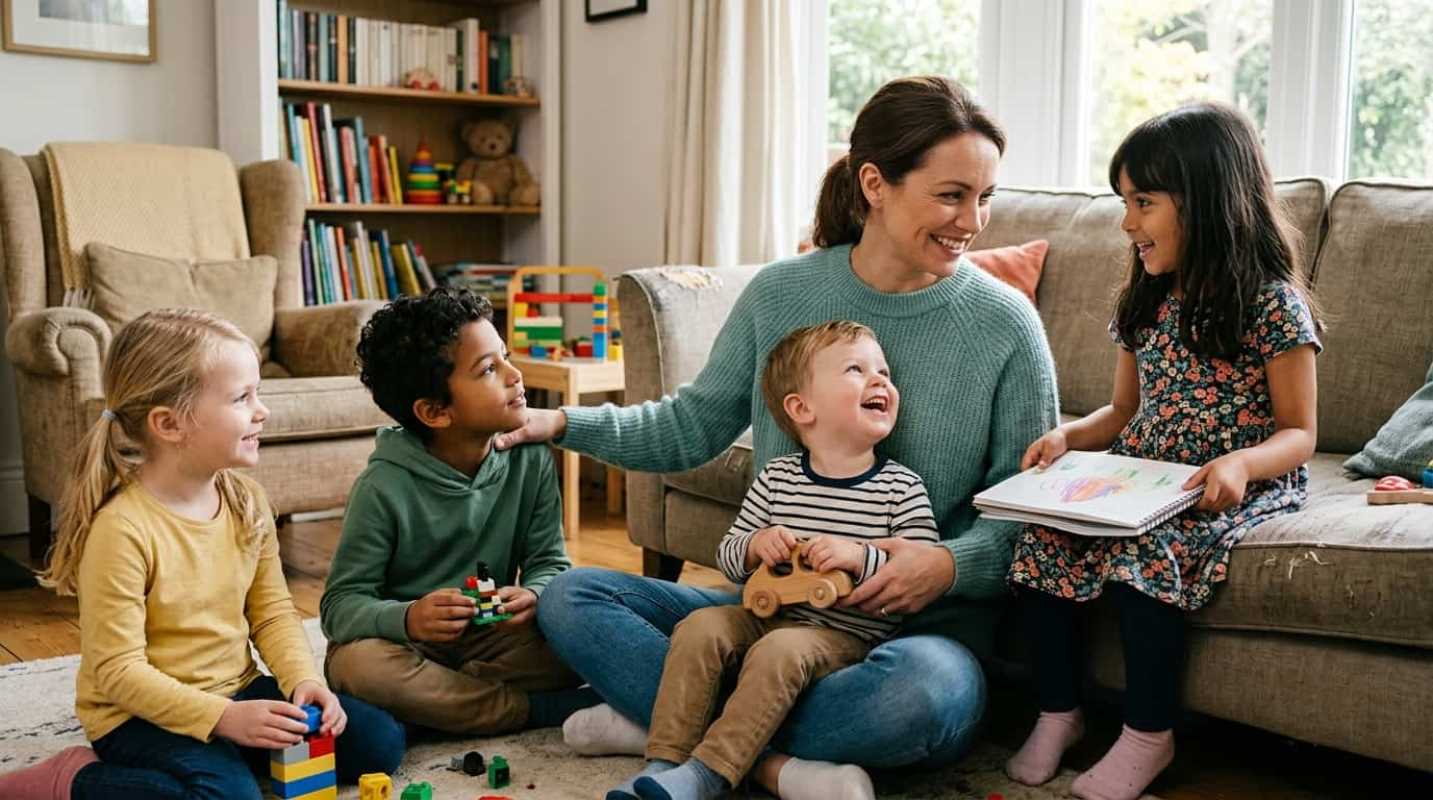
If you have more than one child, you have probably felt the crushing weight of parental guilt. You finish putting the toddler to bed, look over at your ten-year-old quietly doing homework alone, and wonder if you gave them enough of yourself today. Have you been there? You are far from alone. Balancing attention between multiple kids is one of the toughest daily challenges in parenting. But here is the good news: children do not need you to split your time down to the exact second. They do not walk around with stopwatches. They simply need to feel genuinely seen when you are together.
The Myth of Equal Time and Quality Over Quantity
Trying to divide every hour equally among your kids is a fast track to exhaustion. It also misses the point of what children actually need for emotional development.
A study on sibling dynamics revealed that parental favoritism is a widespread trend, with older siblings, daughters, and kids with highly agreeable personalities often receiving more subtle focus.¹ Unaddressed favoritism can strain family bonds, but trying to solve it with mathematical minute tracking usually backfires. Reframe your goal from chasing perfect equality to building deep, meaningful connections.
When you drop the stopwatch, the parental guilt trap loses its grip. Confidence comes from knowing that giving a child what they need in a specific moment matters far more than keeping a strict ledger.
Mastering One-on-One Time Approaches
How do you deliver that meaningful connection without drowning in daily logistics? The answer lies in micro-moments.
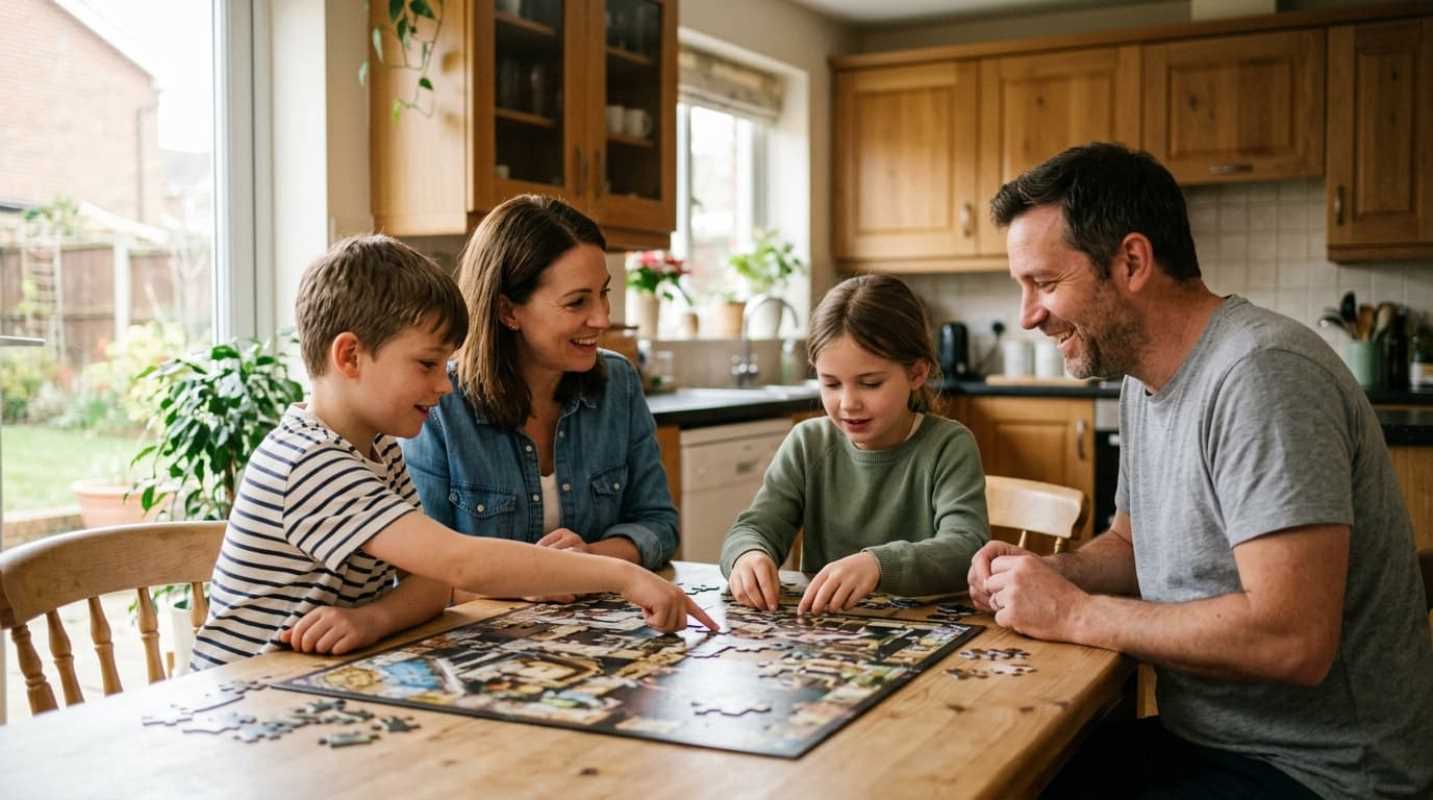
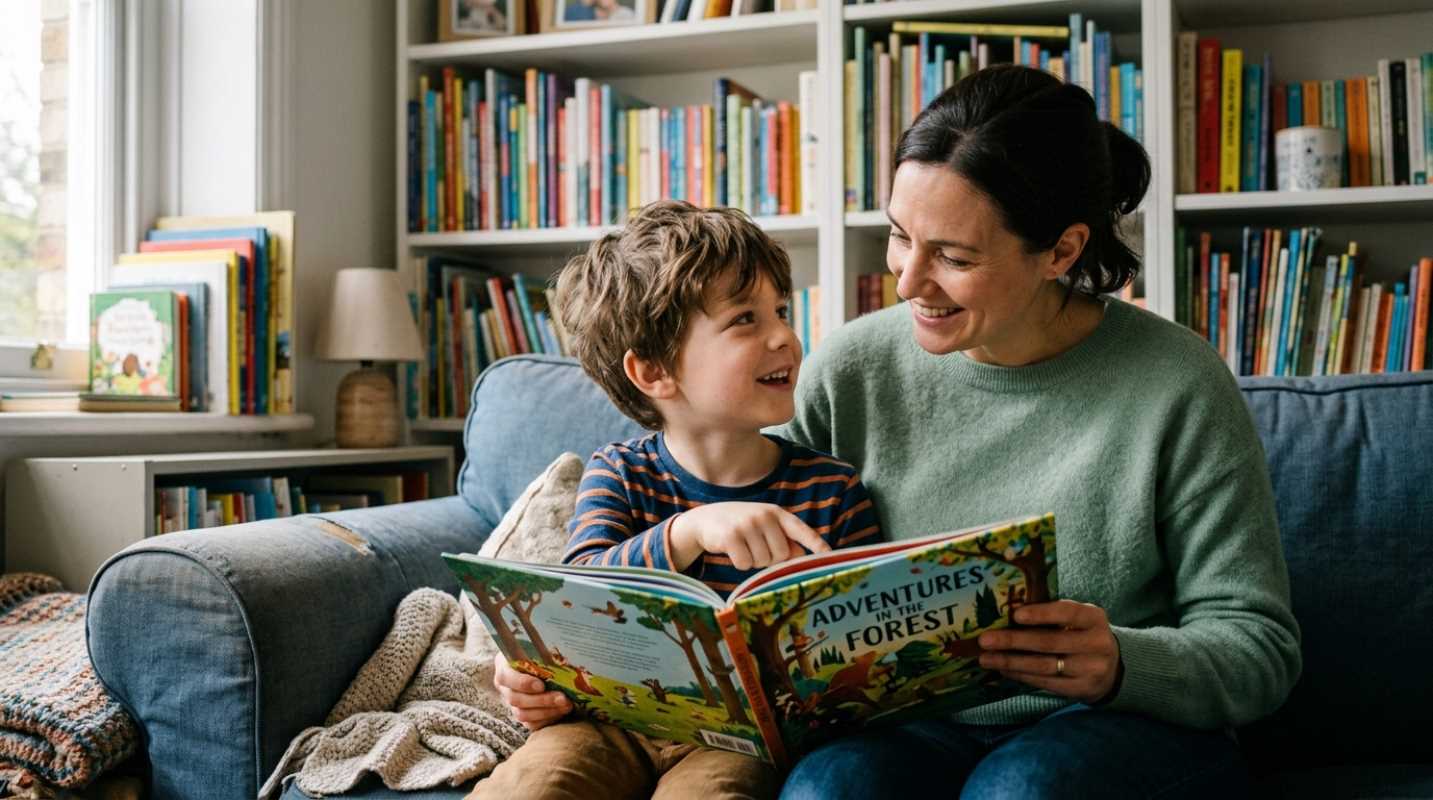
Psychologists often advocate for a practice called "Special Time."³ Instead of trying to schedule elaborate weekend trips with each child, aim for 10 to 15 minutes of uninterrupted, individual focus a few times a week.
To make these micro-moments work, try applying these core approaches:
• Child-led choices: Let your child pick whatever activity they want to do during this window, whether it's building block towers, drawing, or kicking a soccer ball.
• Zero digital distractions: Put your phone in another room or switch on Do Not Disturb mode. Ten minutes of total presence beats two hours of watching them while scrolling through emails.
• No teaching or correcting: Resist the urge to turn the moment into a lecture about sharing or neatness. Simply enter their world, listen, and comment on what they are doing.
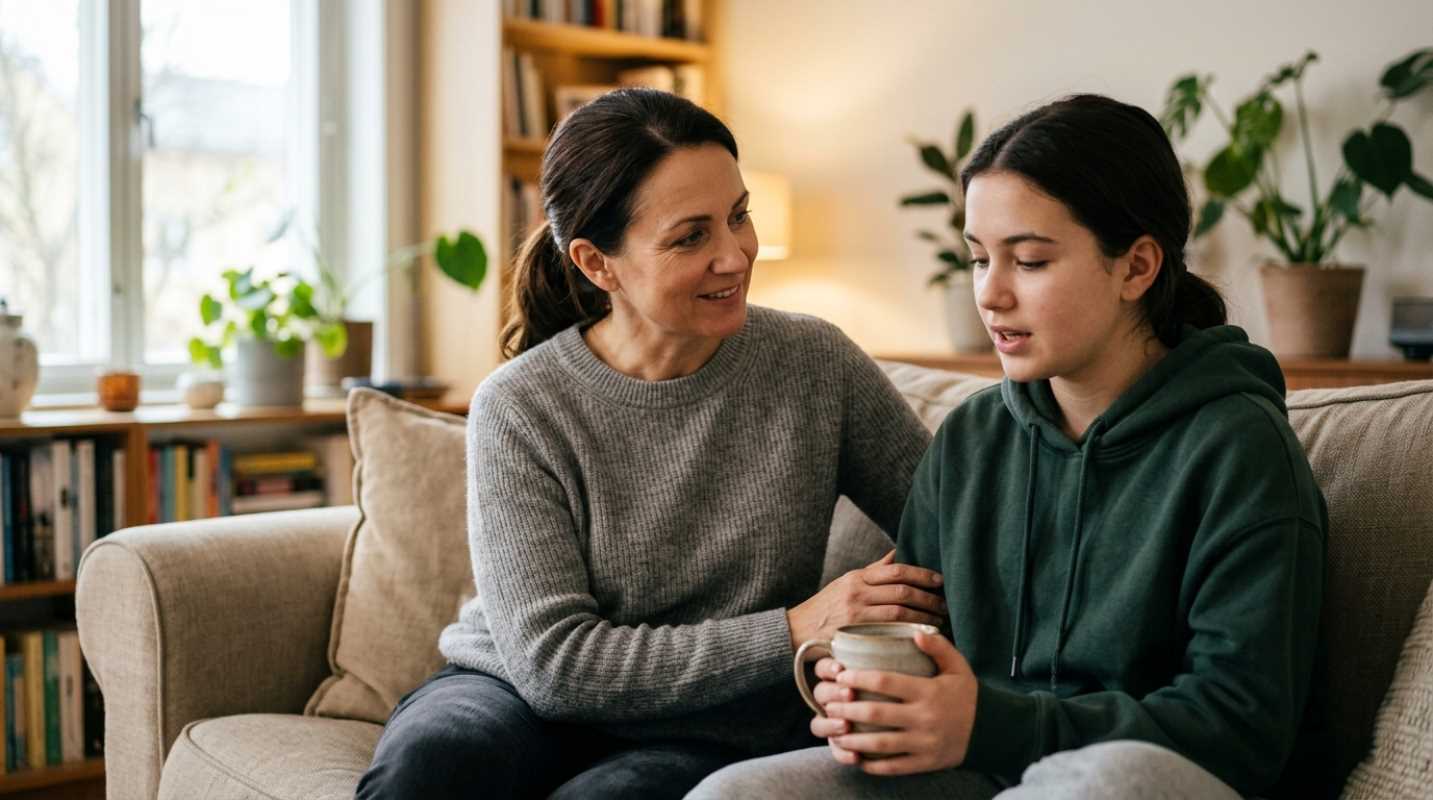
For older kids and teenagers, you can scale this up to occasional simple dates. Taking your middle schooler out for a quick ice cream or a hot chocolate gives them a comfortable space to open up on their own terms.
Scheduling Individual Bonding Without the Burnout
Adding individual bonding to a calendar that is already bursting at the seams sounds impossible. The secret is embedding connection into your existing family rhythm rather than creating new items on your to-do list.
Data shows that children with siblings spend roughly half of their free time together, which naturally reduces direct parent-child contact time. You don't need to fight that reality. Work around it instead.
Here are practical ways to build individual time into your regular weekly routine:
• The solo errand rotation: Take just one child with you when running a quick errand like grabbing groceries or picking up dry cleaning. Dedicated car time creates natural, low-pressure space for deep conversations.
• Staggered bedtimes: Shift bedtime routines by 10 or 15 minutes per child. That small window at night gives each kid quiet, calm access to you right before sleep.
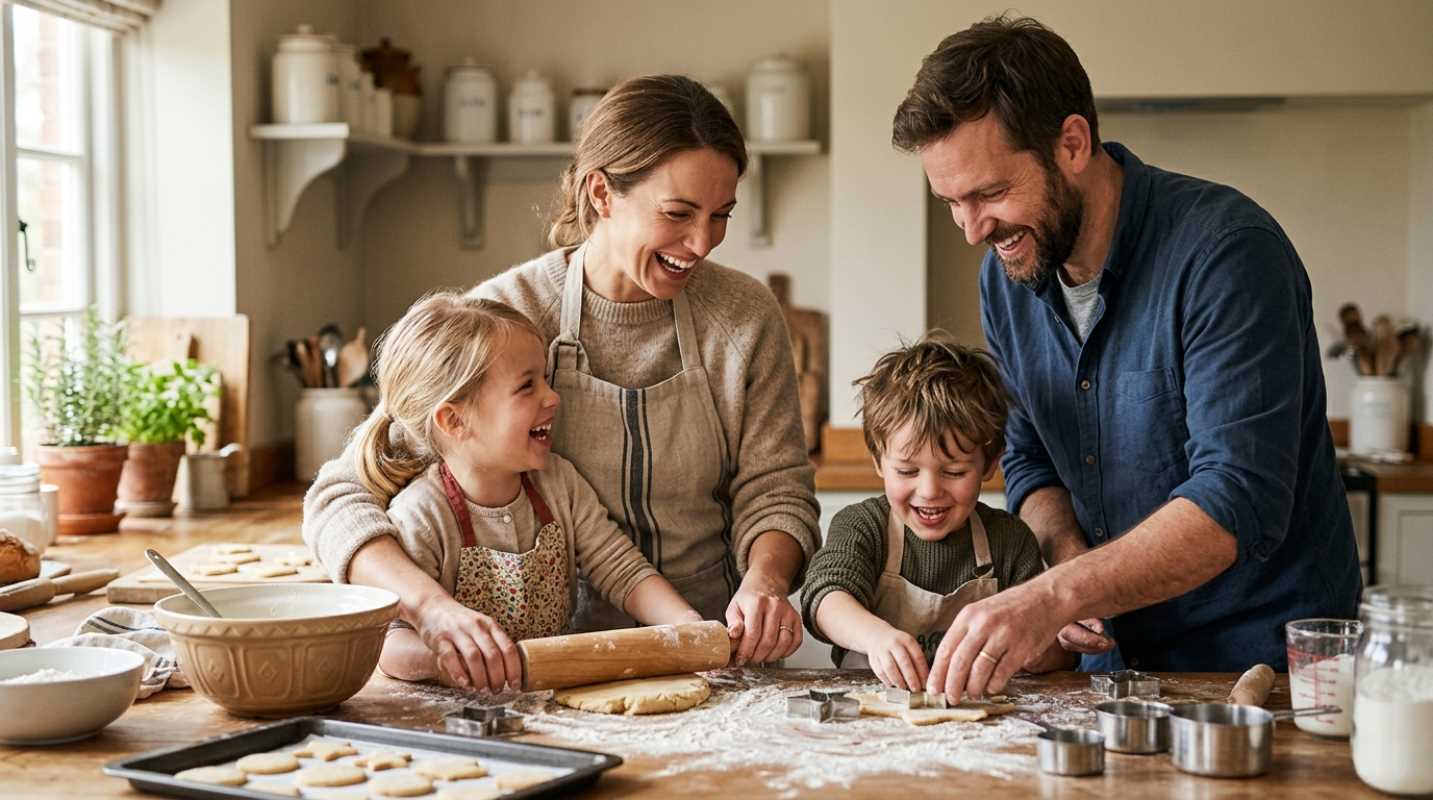
• Rotated helper status: Let one child serve as the official kitchen helper or select the evening movie on a rotating calendar, giving them a brief spotlight without creating sibling friction.
Consistency matters much more than grand gestures. Five minutes of clear, focused closeness every day builds far more long-term security than a big monthly outing.
Avoiding Favoritism Perception and Maintaining Fairness
Even with your best efforts, you will eventually hear the classic protest: "You love them more!"
When that happens, stay calm and avoid getting defensive. Children frequently confuse differing needs with unfair treatment. Research shows that siblings get along much better when they understand the logical reason why attention is distributed differently in a given moment.
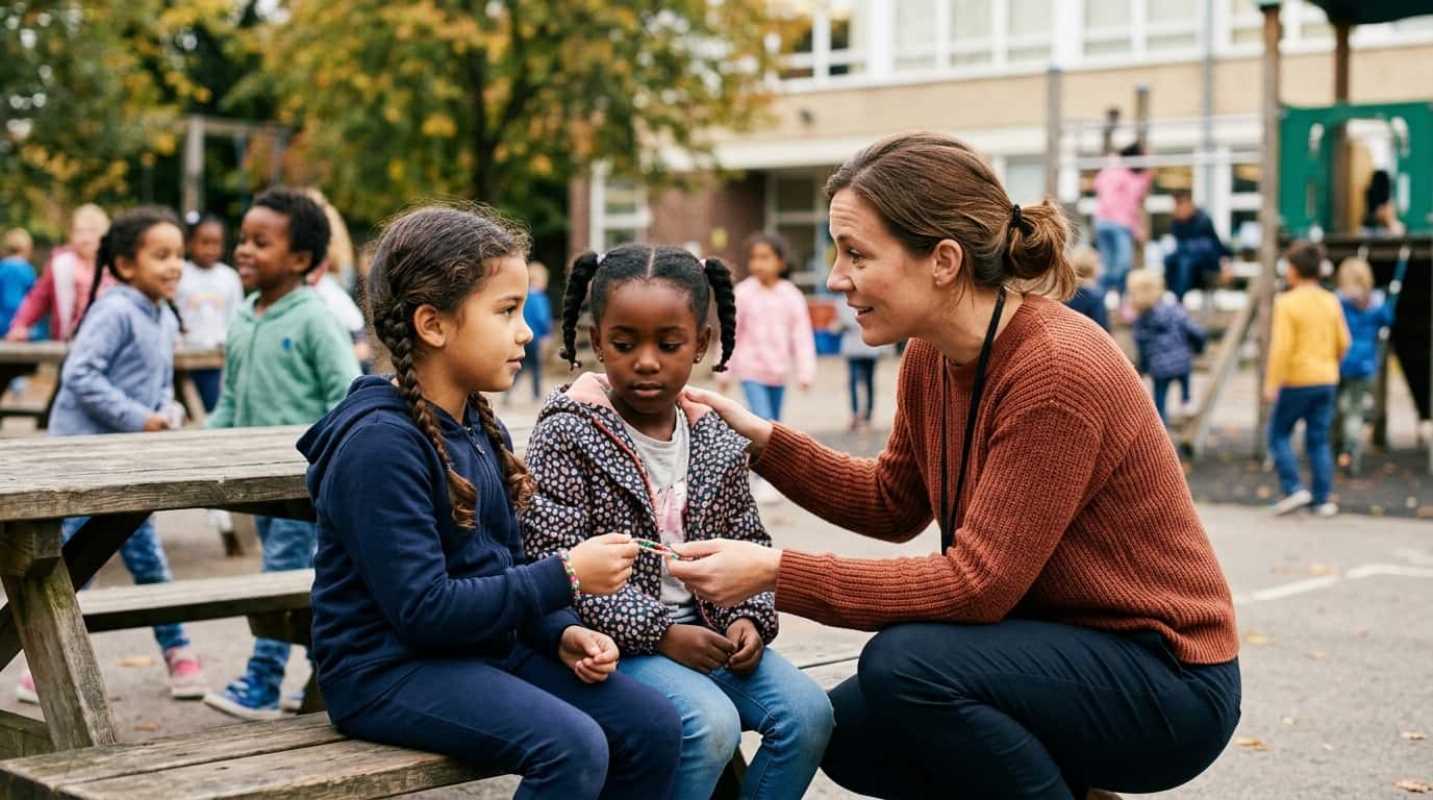
Be direct and transparent with your explanations. When a younger child or a sibling with special needs takes up your evening, talk to your other child with clear, validating language.
You might say: "Your brother needs my help finishing his project right now. What you need today is different, but you are just as important to me. Let's set a timer for 15 minutes, and then it is your and my turn."
It is also important to avoid making affection feel conditional. Research indicates that when children feel parental attention depends on performance, grades, or behavior, sibling conflict spikes dramatically.² Kids need to know they are valued for who they are, not just when they win an award or keep their bedroom spotless.
Establishing distinct identities helps as well. Sibling rivalry often flares up when kids compete in the exact same domain. Encouraging each child to pursue their own separate interests keeps them from feeling like they are constantly measured against a brother or sister.
Building a Confident Parenting Mindset
Balance is not a permanent state you reach and maintain forever. It is a moving target that shifts as your children grow, enter new school phases, or handle unexpected personal challenges.
Trust your intuition as the person who knows your family best. Some seasons will naturally require you to pour extra energy into one child who is going through a tough patch. That is not a failure of fairness; it is active, responsive parenting.
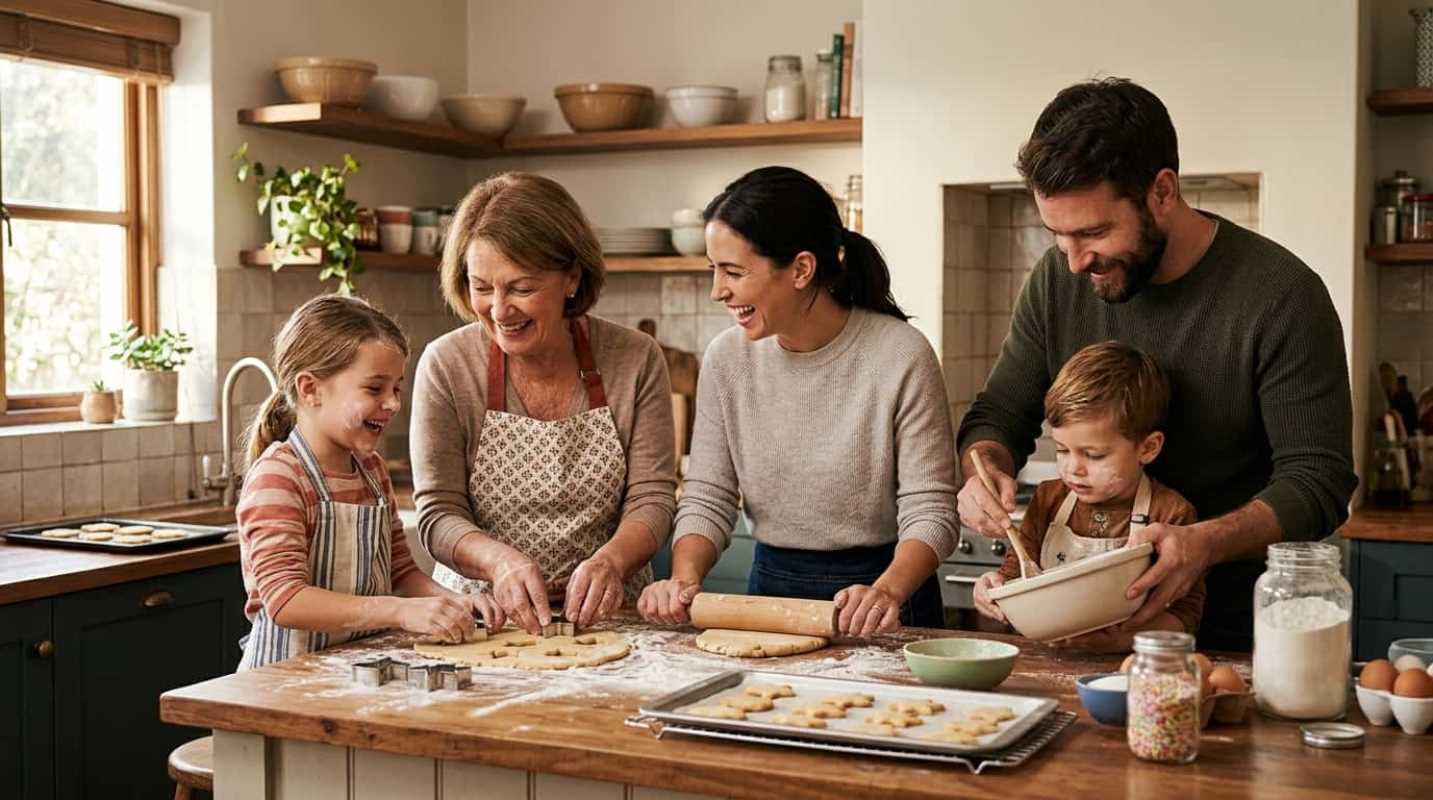
Encourage your children to lean on each other too. Supporting healthy sibling relationships is a natural extension of family life, and it takes some of the weight off your shoulders as the primary source of entertainment and comfort.
Your children do not need a flawless referee who tracks every minute on a spreadsheet. They need a steady, attentive guide who sees them, values their individuality, and listens when it matters most.
Sources:
1. Study on Sibling Favoritism
https://www.theguardian.com/lifeandstyle/2025/jan/16/sibling-rivalry-parents-favour-older-children-and-daughters-study-finds
2. Conditional Regard and Sibling Conflict Study
https://pmc.ncbi.nlm.nih.gov/articles/PMC12416125/
3. Special Time Parenting Guide
https://www.huffingtonpost.co.uk/entry/special-time-parenting-tip-psychology_uk_68384b2fe4b0e2e0f9a1c381
*This article on FactBlast is for informational and educational purposes only. Readers are encouraged to consult qualified professionals and verify details with official sources before making decisions. This content does not constitute professional advice.*