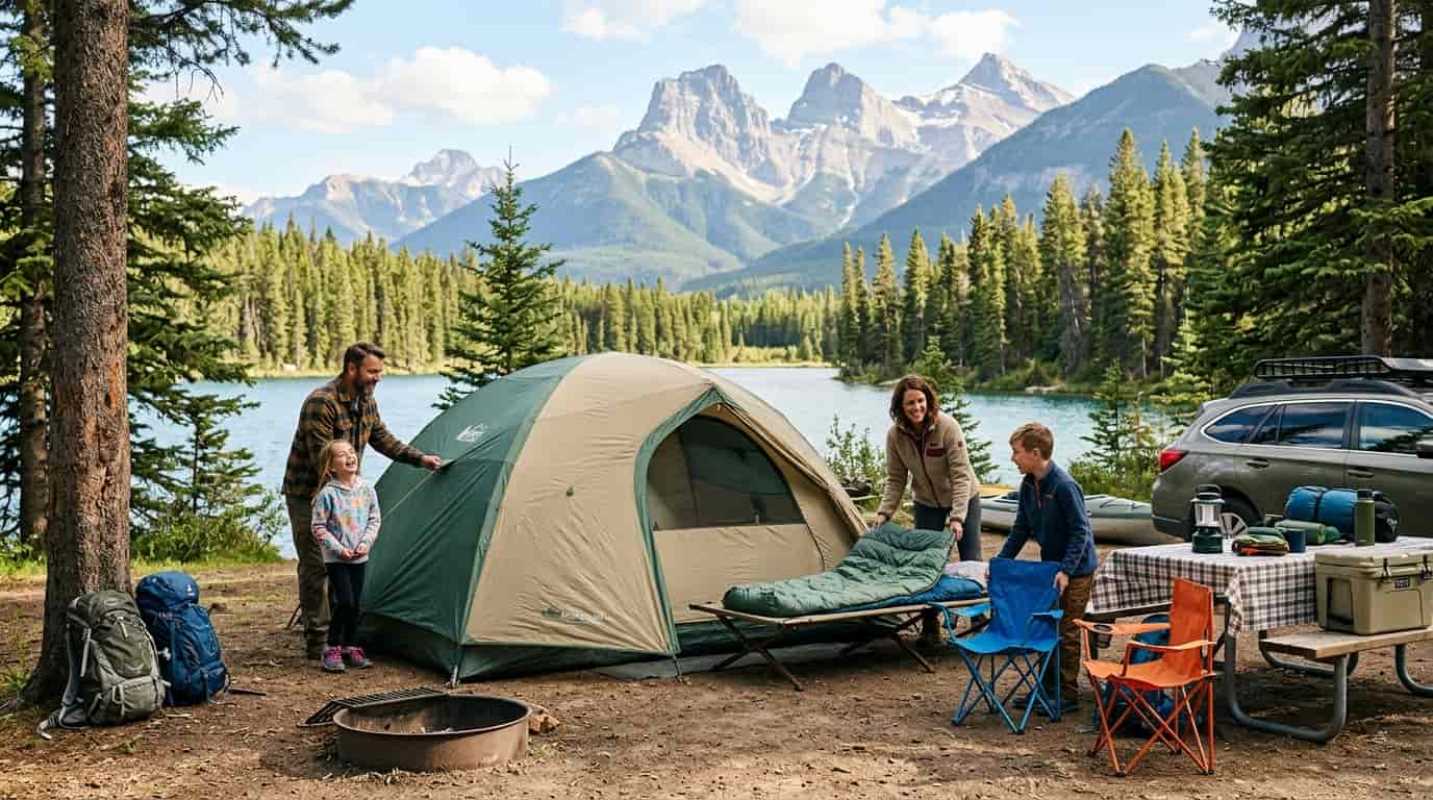
You want to load up the car, head into the woods, and breathe in fresh mountain air with your kids. But then reality sets in. What about bedtime meltdowns? What if someone gets cold? What if you spend the whole trip cooking and washing dishes while everyone else relaxes? If you feel hesitant, you aren't alone. Taking kids into nature can feel a lot. Yet over 52 million North American households camp every year, and more than 75% of family campers report that these trips directly improve their family relationships.¹ Camping also remains top-ranked by 72% of travelers as the most cost-effective way to vacation.³
So how do you get the campfire magic without the chaotic burnout? It comes down to smart prep before you ever turn the key in the ignition.
The Pre-Trip Mindset and Setting Realistic Expectations
First, toss out any rigid itineraries. Nature runs on its own clock, and so do kids. If you try to enforce a strict schedule for hikes, meals, and creates, you'll end up frustrated. Focus on flexibility instead.
Have you tried involving your kids in the planning stage? Give them a real say in what happens. Let younger kids pick out their own small pack with a flashlight, a favorite stuffed animal, and a snack. Let older kids choose between swimming or hiking on Saturday afternoon. When kids feel a sense of ownership, excitement replaces anxiety.
Most importantly, start small. Research shows that 62% of campers choose short weekend getaways close to home rather than long odysseys.² Try a backyard dry run first. Pitch the tent on your lawn, blow up the sleeping pads, and spend the night outside. You'll quickly see what gear works and what needs tweaking.
When you're ready for the real thing, pick a campground within 15 to 45 minutes of home for a single night or two-night stay. If bad weather hits or a child gets sick, your exit plan is right down the road.
Mastering Logistics and Your Ultimate Packing Checklist
Nothing ruins a night outdoors faster than shivering in a damp sleeping bag. Sleep quality will make or break your whole trip.
Size up on your tent setup. If you are a family of four, buy or rent a six-person tent. Kids bring extra gear, and having floor space to move around keeps chaos from taking over. Pair your tent with thick sleeping pads or air mattresses, and bring pillows right off your home beds. It makes a world of difference.
To keep your gear organized, pack items in clear plastic totes instead of soft duffel bags. Keep sleeping gear in one bin, kitchen tools in another, and lights or batteries in a third.
Here are the core needs for a smooth trip:
• Shelter Zone: Tent with footprint tarp, rainfly, stakes, sleeping bags rated for overnight lows, sleeping pads, and home pillows.
• Kitchen Zone: Two-burner propane stove, fuel, hard-sided cooler with ice packs, five-gallon water jug, skillet, reusable plates, and camp chairs.
• Lighting Zone: Headlamps for every person, camp lantern for the picnic table, extra batteries, and a portable power bank.
• Hygiene Zone: First aid kit, sunscreen, bug spray, wet wipes, hand sanitizer, and quick-dry towels.
• Emergency Go Bag: Keep a small dedicated bag packed with medical supplies, water, and emergency blankets right in your front seat.
Keeping Everyone Engaged with Age-Appropriate Activities
How do you keep kids entertained without relying on screens? It is easier than you think when you tap into natural curiosity.
Set up a nature scavenger hunt. Give your kids a short list of items to spot, like a pinecone, a smooth grey river rock, a feather, or animal tracks. You can also hand out magnifying glasses or bug catchers to keep little hands busy for hours.
When night falls, turn off the artificial lights and break out glow sticks. Kids love playing with them, and they serve a handy safety purpose. They make it easy to spot your kids as they move around camp in the dark.
Around the fire, skip forced speeches and try collaborative storytelling. Start a story with one sentence and let each person add a line as you pass a roasting stick around.
Remember to balance planned fun with plenty of unstructured time. Kids don't need every minute scheduled. Give them space to build stick forts, splash in shallow creeks, or sit under a tree.
Safety First with Needed Campsite Tips
Safety concerns often keep parents from booking that first site. A few basic guidelines will give you peace of mind.
Start with campsite boundaries. The minute you arrive, walk the perimeter with your kids. Point out physical landmarks like a big oak tree or a specific boulder, and tell them never to wander past those markers without an adult.
Establish a clear rule around the campfire. Create a three-foot stop zone around the fire pit using chalk, rocks, or logs. Kids must know never to run or play inside that ring.
Teach your kids what to do if they get turned around. Put a whistle around each child's neck with one simple instruction. If you lose sight of camp, stop walking, sit down, and blow the whistle in three short bursts.
Be ready for quick weather shifts. Pack layered clothing, including moisture-wicking base layers, fleece jackets, and rain ponchos. Always bring extra pairs of socks because kids love stepping into wet mud.
Fueling the Adventure with Simple Camp Cooking
Cooking outdoors can feel a lot more if you try to make complex meals from scratch over an open flame. Keep it simple.
Pre-prep as much food as possible at home. Chop your vegetables, marinate your meats, and mix pancake batter ahead of time. Pour pancake batter into an old squeeze bottle so you can squirt it directly onto a hot skillet in the morning.
Rely on foil packet meals for dinner. Wrap sliced sausage, potatoes, peppers, and seasoning in aluminum foil, then set the packets on grill grates over hot coals. Cleanup takes seconds because you just toss the foil away.
Keep hunger meltdowns at bay by packing easily accessible snacks in the car. Granola bars, trail mix, fruit pouches, and cheese sticks should be within arm's reach during campsite setup. If kids can eat while you pitch the tent, everyone stays happy.
Hydration is equally important. Keep a large water jug with a dispenser spout on your picnic table and encourage frequent water breaks throughout the day.
The Exit Approach for Leaving No Trace and Heading Home
When departure morning arrives, don't let packing up turn into a stressed rush. Turn campsite cleanup into a family ritual.
Teach your kids Leave No Trace principles by turning camp cleanup into a game. Challenge them to a micro-trash hunt. See who can pick up the smallest scraps of paper, twist ties, or plastic wrappers from your site. Leave the campsite cleaner than you found it.
Plan a smooth transition back home to avoid post-trip exhaustion. Leave an easy meal waiting in your home freezer or pick up takeout on the drive back. When you get home, unload only the needed items like food and dirty laundry, and save the deep gear cleaning for the next day.
On the drive back, take a few minutes to talk about the highlights. Ask everyone for their favorite memory and their funniest moment. Capturing those happy moments keeps enthusiasm high for your next outdoor adventure.
Sources:
1. KOA Camping Report
https://koa.com/north-american-camping-report/
2. SGB Online KOA Participation Report
https://sgbonline.com/koa-camping-participation-builds-on-post-pandemic-gains/
3. Own a KOA Industry Insights
https://ownakoa.com/2025/04/09/2025-camping-outdoor-hospitality-report/