Remember when your kids were toddlers? Back then, sibling connection meant sharing a bucket of plastic blocks or arguing over who got the blue cup. It was loud, physical, and mostly centered on immediate play. But as your children grow into pre-teens and teenagers, the whole dynamic under your roof shifts dramatically. They move from being default playmates to separate individuals building their own independent lives. You'll notice the old sibling hierarchy dissolving, too. The older child, who used to rule the playroom, no longer holds automatic authority. Meanwhile, the younger child starts demanding equal footing in family conversations.
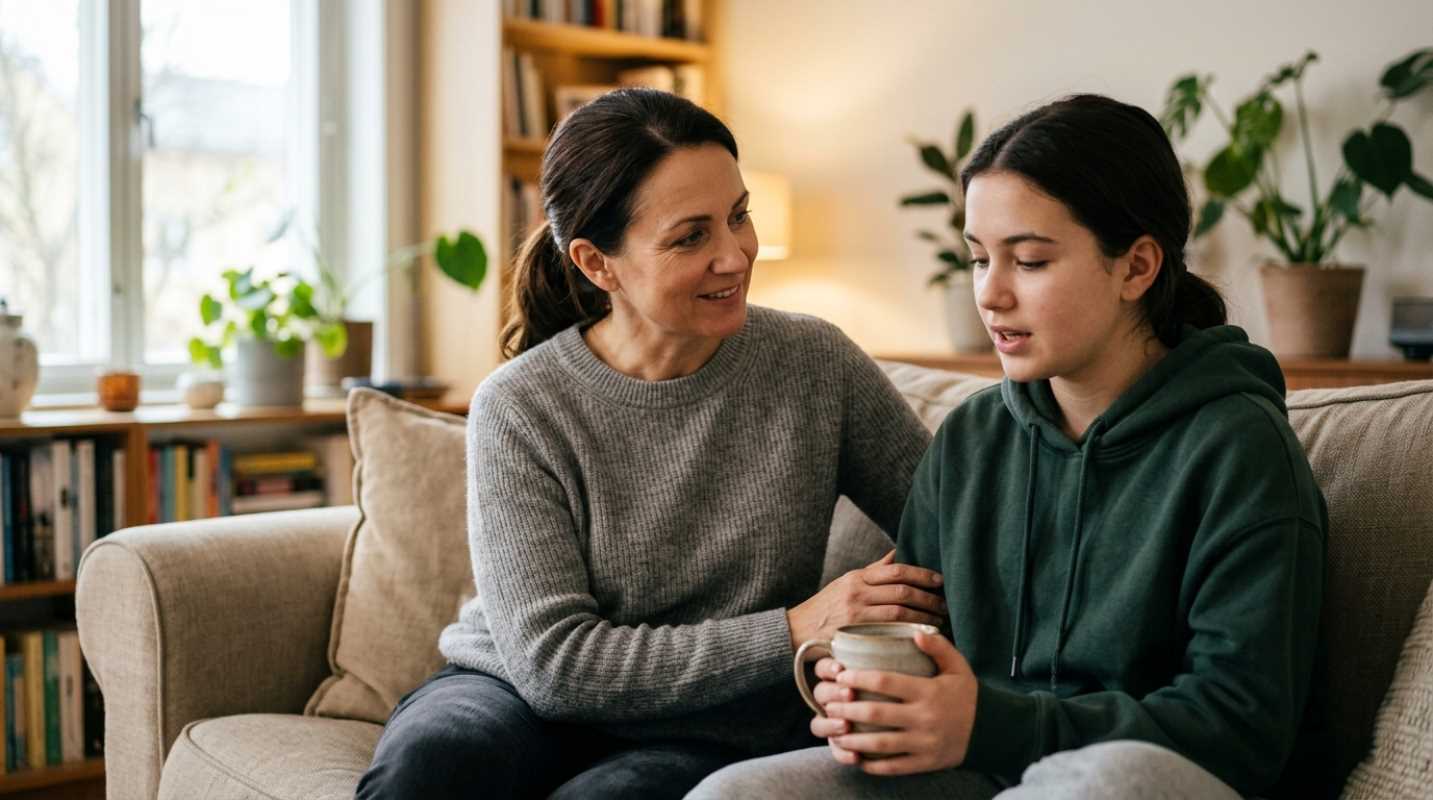
So what does this evolution look like in daily life? Sibling interactions shift away from physical games toward verbal exchanges and emotional support. Research from the ASPIRE Lab at Toronto Metropolitan University shows that adolescent sibling relationships begin to resemble close friendships in trust and emotional quality.¹ Your teens start leaning on each other for real advice about school, friendships, and shared family quirks.
At the same time, the way they fight changes. Loud shouting matches and physical wrestling turn into subtle eye-rolls, cold shoulders, or sarcastic jabs. It can feel unsettling to watch, but it's a completely normal transition. They're testing boundaries, seeking autonomy, and figuring out who they are alongside each other.
Bridging the Gap: Managing Age-Gap Relationships
When your children are four or five years apart, parenting them can feel like managing two completely different worlds. A high school junior preparing for driver's ed doesn't have much in common with a middle schooler playing video games. Closing that distance takes intentional effort, but it starts with breaking a few common household habits.
First, watch out for the older-as-caregiver trap. It's easy to rely on your eldest child as a built-in babysitter or assistant manager for the family. Although giving them responsibility is fine, pushing them into a parenting role creates quiet resentment. The younger sibling starts to view the older one as a bossy authority figure rather than a brother or sister.
How do you keep them connected despite a big developmental gap? Try these practical approaches:
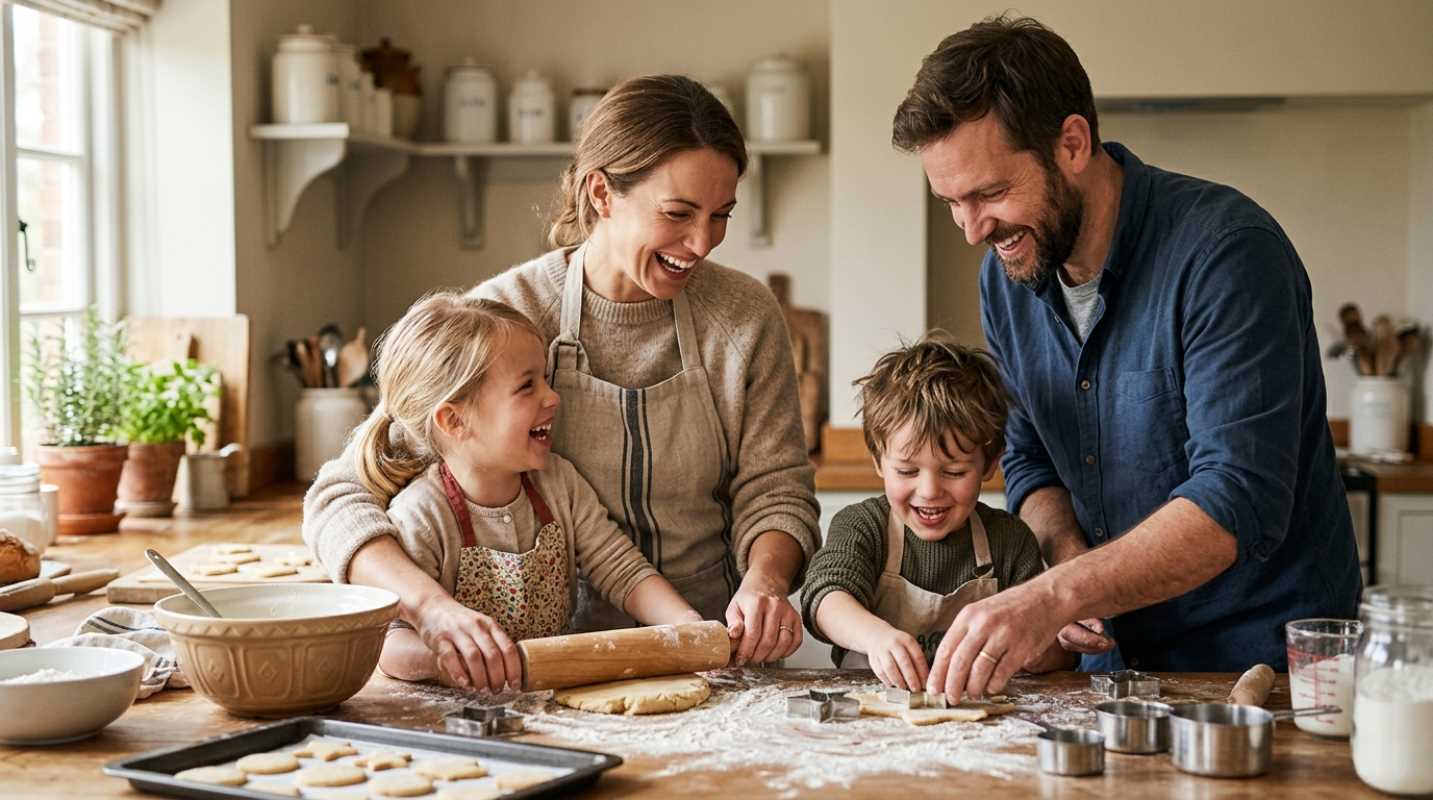
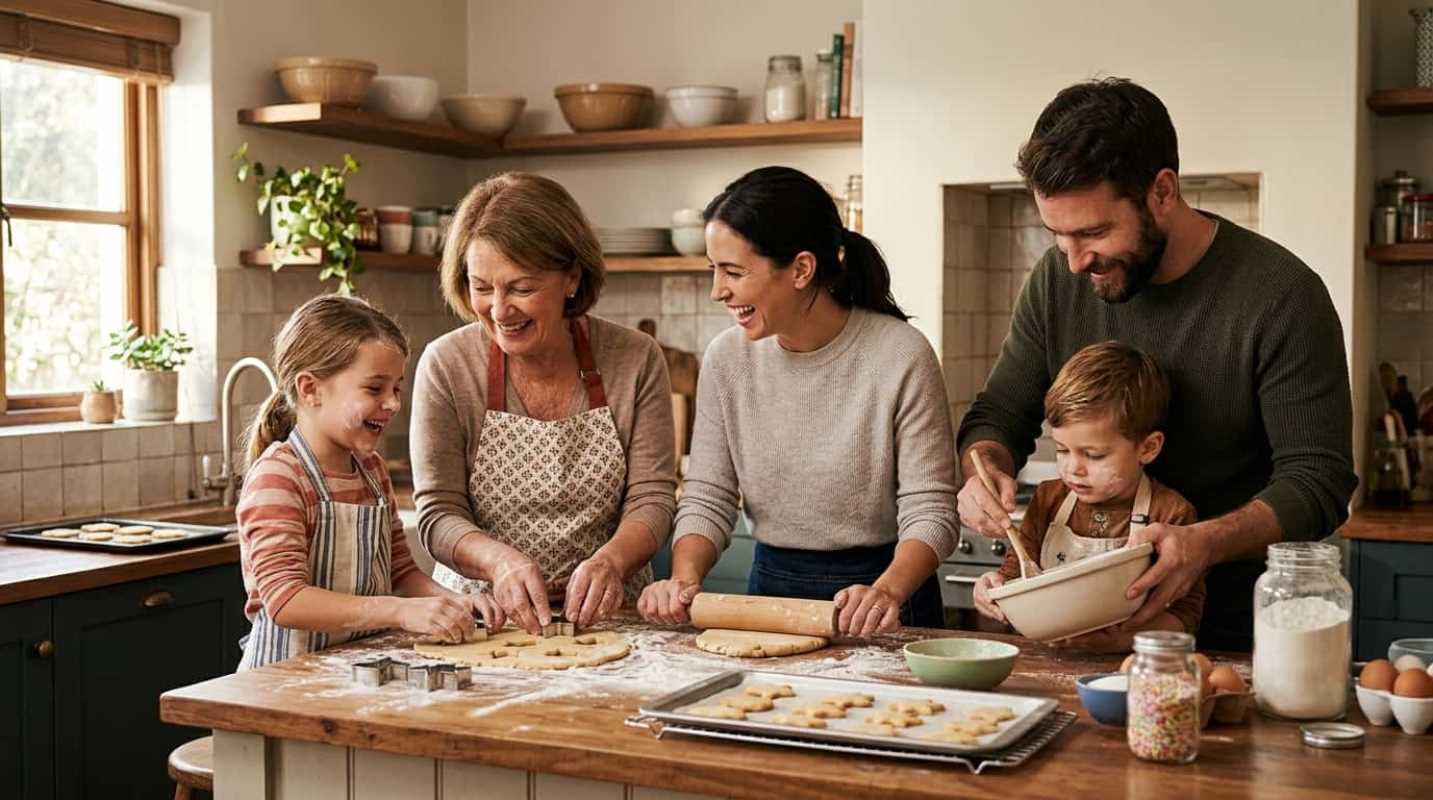
• Find cross-developmental hobbies: Look for casual activities that don't depend on age or skill level. Cooking a family meal, watching a comedy series, or taking the dog for a walk gives them a chance to interact without competing.
• Validate each child's reality: Avoid downplaying the younger child's drama as silly or expecting the older child to always know better. Acknowledging that both of their worlds feel intense right now helps them feel heard.
• Create separate spaces for growth: Let each child have hobbies that belong strictly to them. When they aren't constantly forced into the same lane, they're much happier to cross paths at home.
Conflict Resolution: From Brawls to Boundary Setting
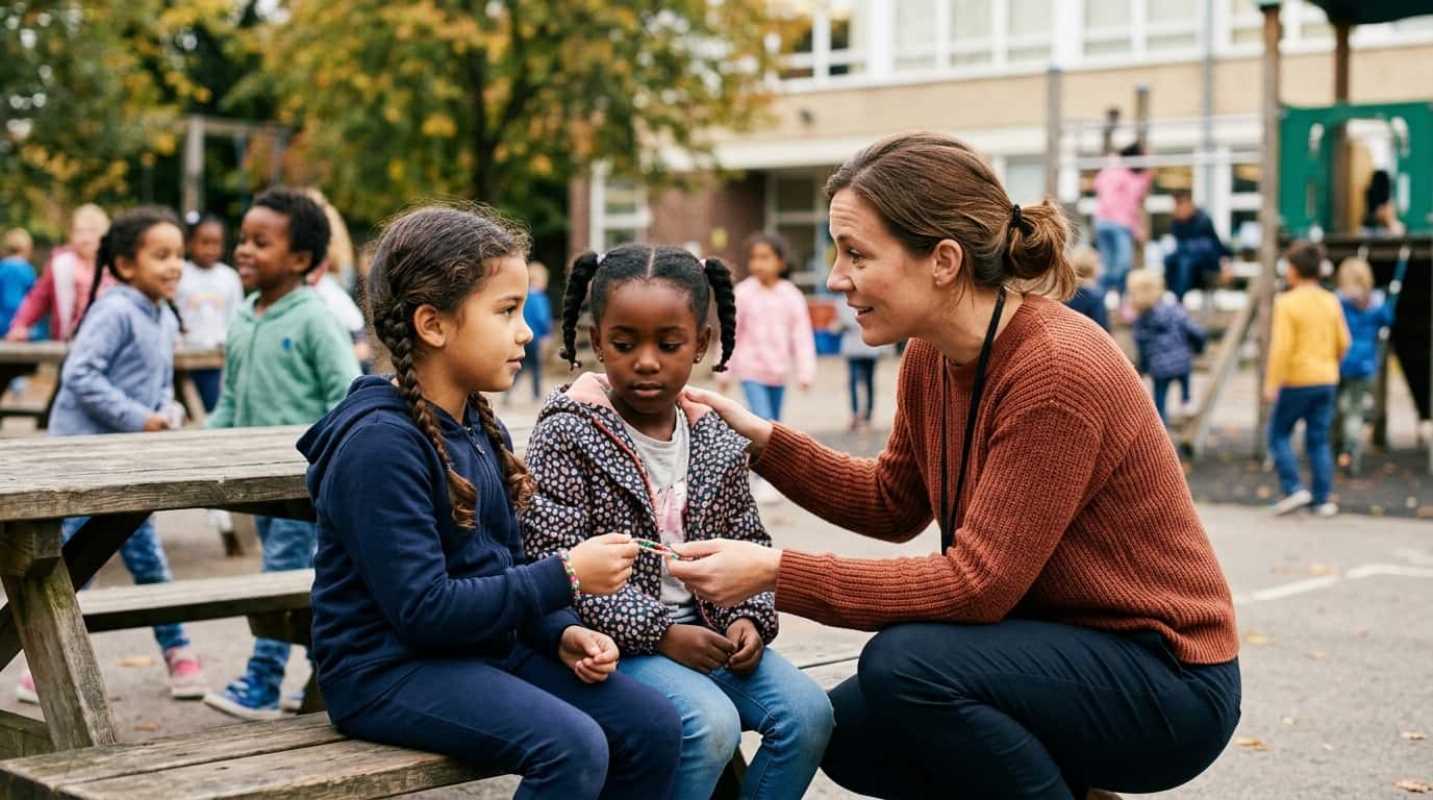
If you feel like you spend half your evening blowing the whistle on sibling arguments, you aren't alone. But continuing to act as the family judge gets exhausting. More importantly, it deprives your kids of learning how to stand up for themselves and settle disputes on their own.
Your ultimate goal is to move away from refereeing and become a conflict coach instead. Family expert Dr. Jon Caspi points out that stepping in to declare a winner or assign blame deprives teens of needed negotiation skills.³ When a clash breaks out over privacy or borrowed clothes, resist the urge to hand down a sentence.
Instead, guide them toward self-advocacy and explicit boundary setting:
• Stop picking sides: Avoid declaring who is right or wrong based on partial evidence.
• Enforce clear communication rules: Require them to use direct "I feel" statements about their concerns rather than hurling insults or character attacks.
• Prompt mutual solutions: Ask open questions like, "What would a fair solution look like to both of you right now?"
Reframing these fights is powerful. Conflict isn't a sign of parenting failure. It's a practical training ground for emotional intelligence, compromise, and boundary setting. Research from Brigham Young University found that sibling affection is twice as strong a predictor of empathetic, charitable behavior in teens compared to parental affection alone.² Learning to make peace with a brother or sister builds real social skills for life.
Building Lasting Bonds Through Intentional Traditions
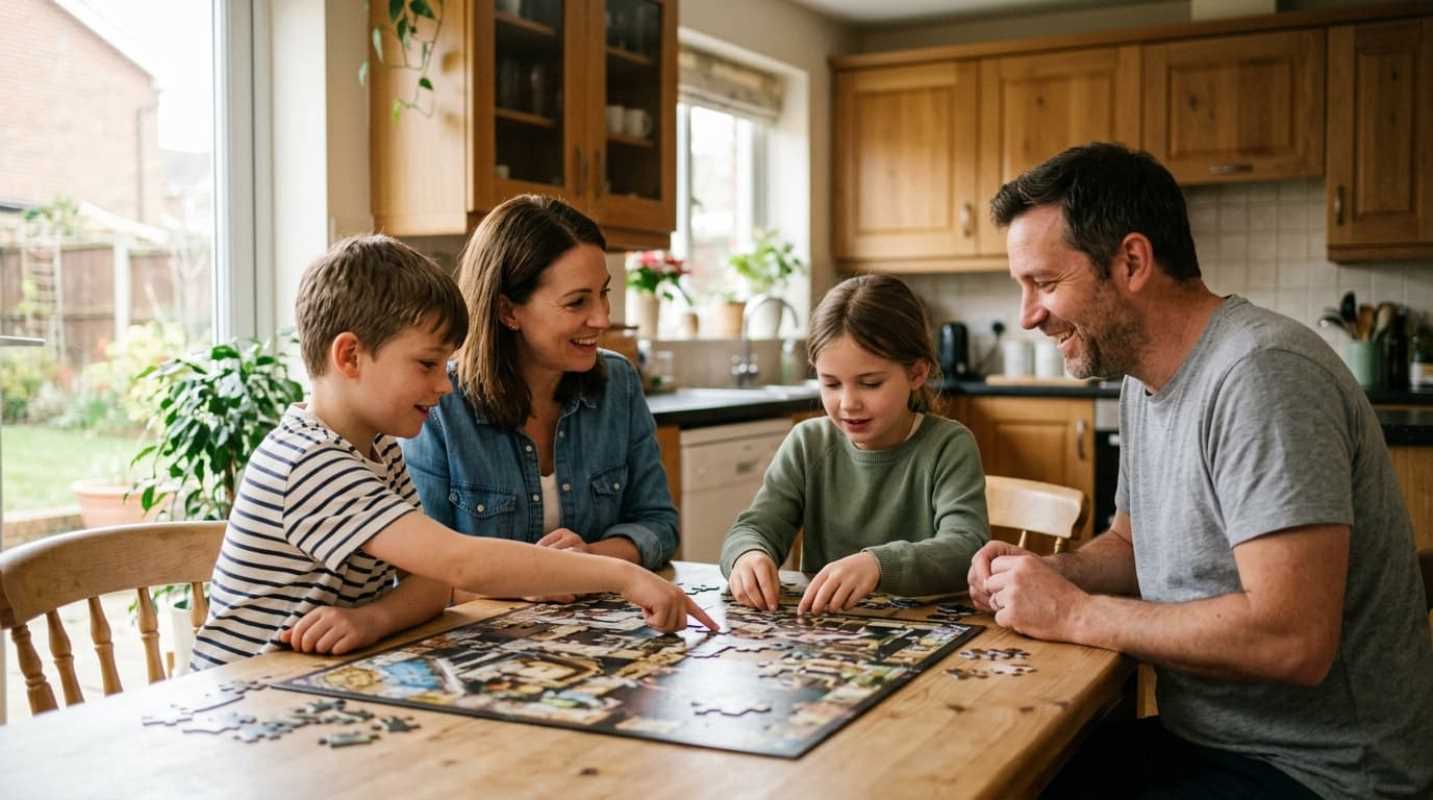
Building a genuine friendship between your kids doesn't happen by accident. It grows through shared memories built outside the shadow of parental supervision. When kids share experiences where you aren't directing the action, they build mutual trust.
Think about encouraging small, sibling-led traditions. Maybe it's an annual weekend camping trip, a late-night ice cream run once the older one gets a driver's license, or playing casual video games together after dinner. These low-stakes routines let bonding happen naturally without forced intimacy.
When kids learn to operate as a team during their teenage years, that loyalty carries straight into adulthood. They stop seeing each other as rivals competing for family resources and start recognizing each other as lifelong allies.
The Parent’s Role: Stepping Back to Let Bonds Flourish
The hardest part of parenting growing kids is often knowing when to step back. You can't force two independent personalities to like each other, but you can create an environment where a real bond has room to grow.
That means avoiding direct comparisons at all costs. Phrases like "Why can't you manage your time like your sister?" or assigning fixed labels like "the smart one" and "the athletic one" drive immediate wedges between siblings. When kids feel pigeonholed, they protect their identity by pushing their sibling away.
It also means modeling healthy relationships yourself. How do you treat your own brothers, sisters, or extended family members? Kids absorb far more from watching how you handle adult relationships than from any lecture you give them.
Finally, trust the long game. Sibling dynamics are rarely smooth, and distant phases are completely normal during adolescence as teens figure out who they are. Long-term studies show that 93% of older adults reported having a close relationship with a sibling during their youth. Give your kids the time and space to find their own rhythm. Their bond will surprise you in the best ways.
Sources:
1. Toronto Metropolitan University Sibling Research
https://www.torontomu.ca/arts/news-events/2025/09/psychology-professor-explores-how-sibling-and-friend-relationshi/
2. Brigham Young University Sibling Study
https://news.byu.edu/news/sisters-give-siblings-better-mental-health-study-shows
3. Montclair State University Expert Sibling Advice
https://www.montclair.edu/newscenter/2024/12/13/raising-loving-siblings-expert-parenting-tips-to-stop-fighting-and-build-lifelong-bonds/
*This article on FactBlast is for informational and educational purposes only. Readers are encouraged to consult qualified professionals and verify details with official sources before making decisions. This content does not constitute professional advice.*