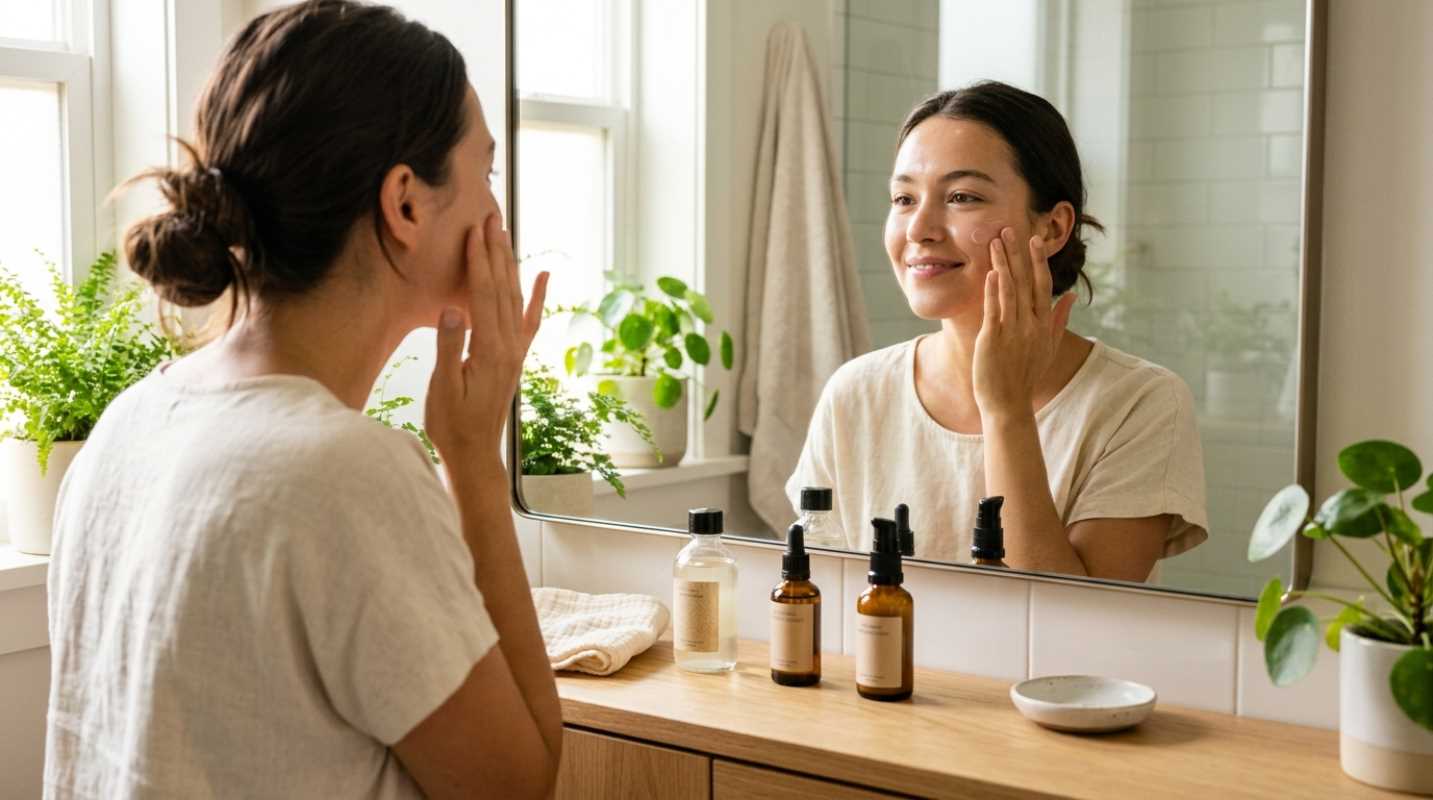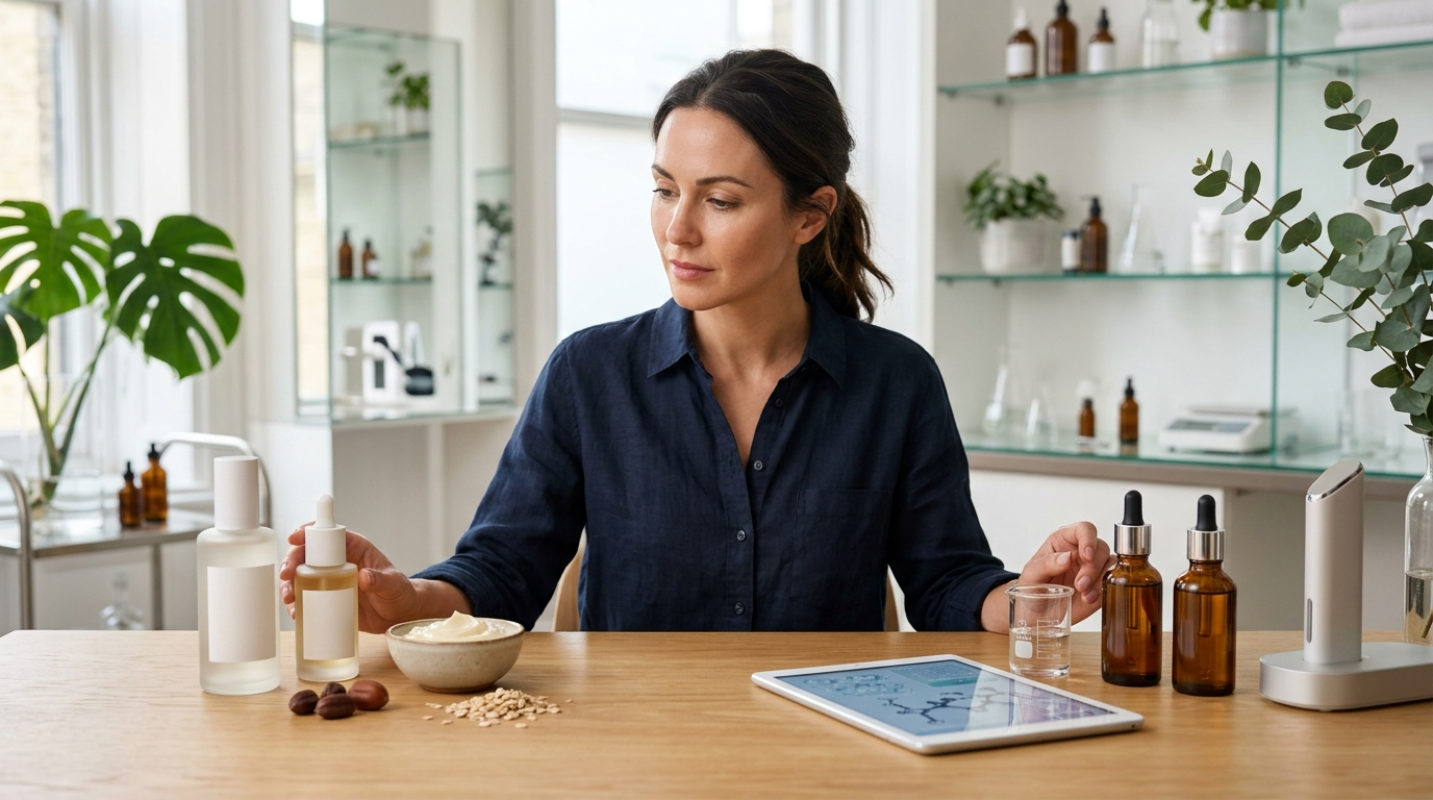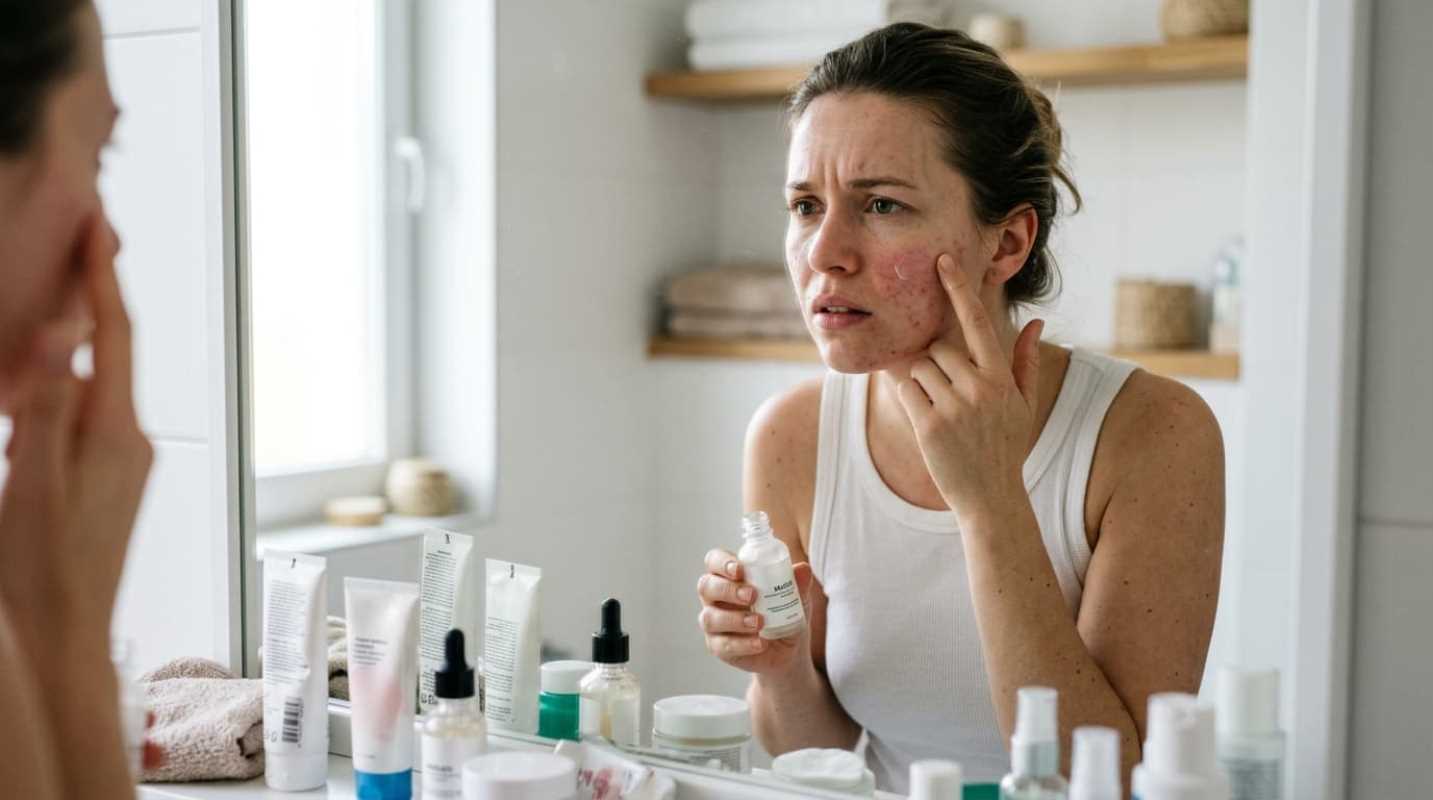
Have you ever looked at the back of your favorite foundation bottle and felt like you needed a chemistry degree to understand it? You are definitely not alone. For a long time, most of us just trusted that if a product was on a store shelf, it had to be safe. But things are changing fast.
The clean beauty movement is no longer a tiny niche for people who shop exclusively at health food stores. It is a massive force in the beauty world. In fact, the global clean beauty market was valued at over 10 billion dollars in 2025 and is on track to cross 35 billion by 2033.¹ People are waking up to what they put on their bodies. Over 65 percent of us now actively scan ingredient lists before buying personal care products.²
So why the sudden shift? It comes down to transparency. For decades, the US beauty industry operated with very little government oversight. The European Union banned over 1,600 cosmetic ingredients, while the US FDA historically restricted only 11. But we are finally closing that gap. Landmark regulations like the Modernization of Cosmetics Regulation Act (MoCRA) are forcing brands to prove their products are safe.³ On top of that, state laws like Washington's Toxic-Free Cosmetics Act officially banned nasty ingredients like PFAS, phthalates, formaldehyde, and lead.⁴
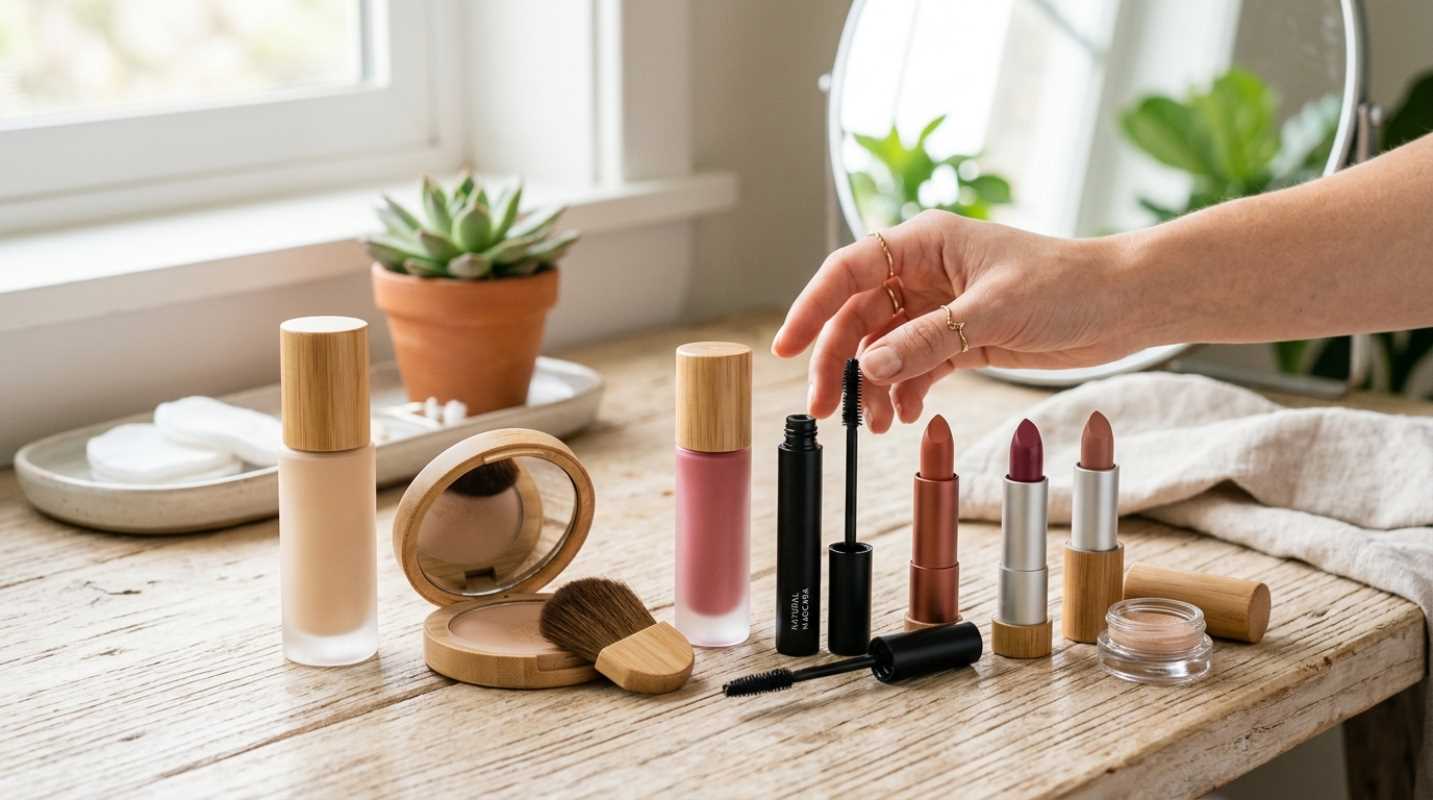
There was a time when clean makeup had a reputation for being chalky, sheer, or fading by lunchtime. Thankfully, cosmetic chemistry has come a long way. Today, you do not have to settle for toxic chemicals to get high-performance makeup. You can have a flawless finish and protect your health at the same time.
Foundation and Concealer Achieving Flawless Coverage, Naturally
Let us talk about your base. Traditional liquid foundations and concealers are often packed with synthetic fragrances, parabens, and heavy silicones. These ingredients might make your skin look temporarily smooth, but they often clog your pores and disrupt your hormones. Think of it like putting a plastic wrap over your face. Your skin cannot breathe, and it shows.
The good news is that the latest trend in beauty is skin-first hybrid makeup.⁵ Instead of masking your skin under a heavy layer of chemicals, new clean formulas act like skincare with a tint. They use botanical extracts, squalane, and hyaluronic acid to nourish your skin barrier while providing buildable, beautiful coverage. It actually looks like real skin, just on its best day.
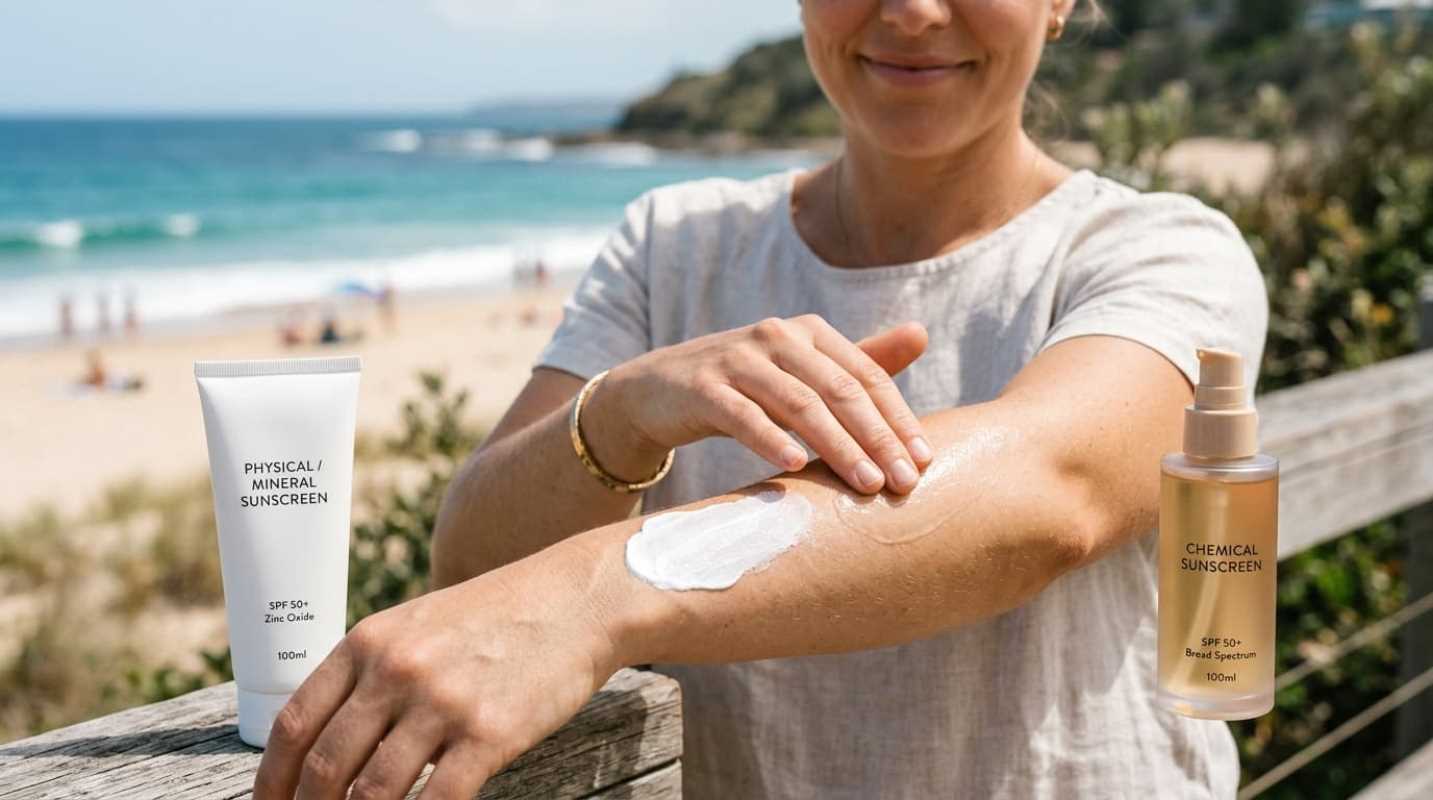
If you are ready to swap your traditional base, look for products that use non-nano zinc oxide for sun protection instead of chemical sunscreens. Brands are also leaning heavily into multi-use cream sticks. They are fast, easy to blend, and reduce the need for a million different plastic bottles in your vanity. They give you that effortless, healthy glow without the chemical hangover.
The Eyes Have It Safer Mascara and Liner Options
Your eye area is incredibly delicate. The skin around your eyes is thinner than the rest of your face, meaning it absorbs products easily. Yet, traditional eye makeup is notorious for containing synthetic dyes, parabens, and even coal tar. If you have ever experienced itchy, watery eyes after applying mascara, your makeup is trying to tell you something.
If you love waterproof mascara, you might be painting your lashes with PFAS. These are forever chemicals used to repel water, but they are linked to thyroid issues and immune system damage. Swapping to a clean mascara means trading these synthetic binders for natural waxes like beeswax or carnauba wax, and using mineral-based pigments like iron oxides for that deep black color.
Interestingly, a massive trend on social media right now is the full face, no mascara look. People are focusing on sculpted brows, glowing skin, and flushed cheeks while leaving their lashes completely bare. It is a great way to give your eyes a break from irritation while keeping your look modern and fresh. But when you do want defined eyes, clean cream shadows infused with organic green tea and peptides are the way to go. They glide on smoothly without flaking into your eyes.
Lip Color Without the Compromise
Here is a slightly unsettling thought: you end up eating a significant portion of whatever you put on your lips. Whether you are drinking coffee, eating lunch, or just licking your lips, those ingredients find their way inside your body.
Traditional lipsticks often rely on synthetic preservatives like BHA and BHT, which are potential endocrine disruptors. They also frequently contain heavy metal colorants, including lead. Since there is no safe level of lead exposure, this is one area where making a clean swap is highly recommended.
Clean brands have mastered the art of high-pigment lip color without the toxic chemical soup. Instead of petroleum-based ingredients, they use nourishing plant-derived waxes, jojoba oil, and shea butter. You get active, rich color that actually hydrates your lips instead of drying them out. No more cracked, peeling lips just for the sake of a matte red lip.
Making the Switch A Practical Guide to Transitioning
Throwing away your entire makeup bag in one dramatic purge is expensive and unnecessary. The smartest way to transition is to swap products out as you finish them. When your current blush hits pan, buy a clean one. When your mascara dries up, make the switch.
The trickiest part of this journey is avoiding greenwashing. Because terms like natural and green are not legally regulated, brands can slap them on a bottle even if it is full of synthetic toxins. You have to learn to read the ingredient list, known as the International Nomenclature of Cosmetic Ingredients (INCI).
Look out for the big red flags. Avoid parabens, phthalates (often hidden under the word fragrance), formaldehyde-releasing preservatives, and talc. Talc is a major concern because it is often mined near asbestos, leading to contamination risks.
Thankfully, you do not have to do this alone. You can use free tools to scan products while you shop
• EWG Skin Deep, A scientific database that rates products based on ingredient safety.
• Yuka App, A mobile app that lets you scan barcodes in the aisle for an instant safety rating.
• Think Dirty, Another great app focused specifically on chemical safety in cosmetics.
Top Recommendations for Clean Makeup Swaps
Ready to upgrade your routine? Here is a simple guide to replacing your daily staples with high-performing, non-toxic alternatives.
Let us look at some of the best clean swaps you can make today
• Liquid Foundation Swap, Trade your traditional liquid foundation for the ILIA Super Serum Skin Tint SPF 40. It combines non-nano zinc oxide, squalane, and hyaluronic acid to protect and hydrate your skin without hormone disruptors.
• Powder Blush Swap, Replace talc-heavy powder blushes with Saie Dew Blush. This water-based gel blush melts into the skin using plant-derived glycerin and elderberry extract for a safe, dewy flush.
• Concealer Swap, Swap heavy synthetic concealers for the Merit Minimalist Complexion Stick. It is a lightweight, breathable, non-comedogenic stick that doubles as a foundation and uses sea lily extract to soothe skin.
• Powder Eyeshadow Swap, Ditch talc and synthetic dyes for RMS Beauty Eyelights Cream Eyeshadow. Formulated with organic green tea and natural peptides, it gives a crease-proof metallic finish without toxic preservatives.
Making these swaps is a simple way to take control of what goes on your body. Your skin, and your health, will thank you.
Sources:
1. Clean Beauty Market Growth
https://www.snsinsider.com/reports/clean-beauty-market-9170
2. Clean Beauty Consumer Statistics
https://esw.com/blog/the-clean-beauty-market-by-the-numbers/
3. Cosmetic Safety Substantiation and MoCRA
https://certified-laboratories.com/blog/cosmetic-safety-substantiation-your-guide-for-compliance/
4. Toxic-Free Cosmetics Act Guidelines
https://kingcounty.gov/en/dept/dnrp/waste-services/hazardous-waste-program/news-events/news/safer-cosmetics
5. Clean Beauty Trends and Hybrid Makeup
https://www.lihtorganics.com/blogs/skin-beauty-news/the-rise-of-clean-beauty-trends-shaping-the-industry-in-2025
*This article on FactBlast is for informational and educational purposes only. Readers are encouraged to consult qualified professionals and verify details with official sources before making decisions. This content does not constitute professional advice.*