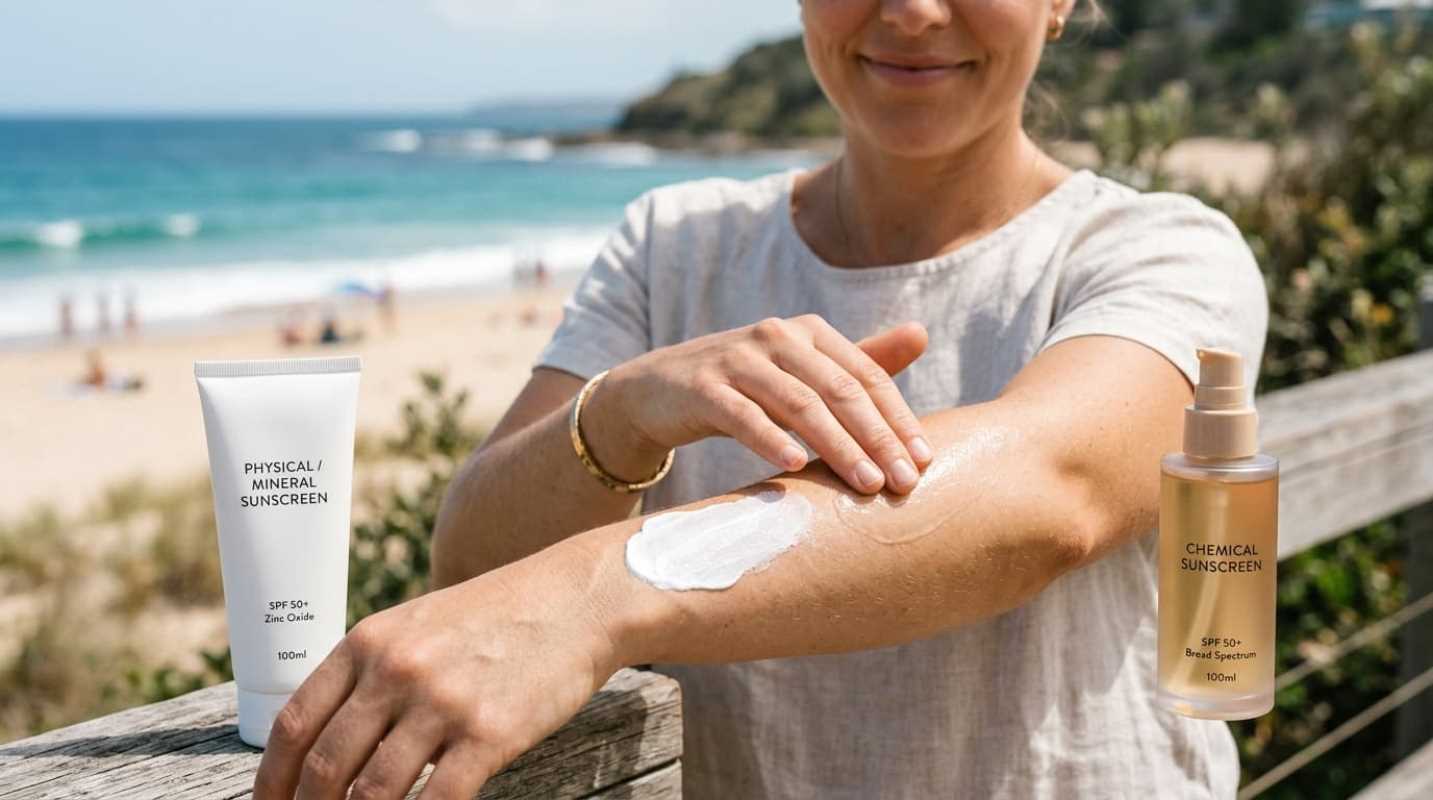
Have you ever had a bad hair day that completely ruined your mood? You are definitely not alone. With over 80% of adults reporting that the health of their hair directly impacts their daily confidence, finding the right hair care routine is more than just a cosmetic pursuit.¹ It is a genuine wellness priority.
As we move through 2026, the shift toward clean beauty and plant-based hair care has only grown stronger. People are ditching synthetic silicones and reaching for botanical solutions. But with so many options lining the shelves, how do you know what actually works?
The secret lies in understanding how natural oils interact with your unique strands. When you find the right match, these oils help with moisture retention, scalp health, and brilliant shine. Just remember that oiling is a ritual, not a quick fix. It takes a little patience, but the long-term results are entirely worth it.
The Heavy Hitters Oils for Dry, Thick, and Curly Textures
If you have thick, curly, or coily hair (specifically Type 3 and Type 4), you know the struggle of keeping your strands hydrated. Because of the twists and turns in curly hair, your scalp's natural sebum cannot easily travel down the hair shaft. This leaves your hair prone to extreme dryness, high porosity, and breakage.
To tackle this, you need heavy-hitting, dense oils that can either penetrate the hair core or seal the outer layer. This is where the molecular science of oils comes in handy.
Dermatologists divide natural oils into two main categories
• Penetrating Oils: These oils have a linear chemical structure and low molecular weight. This allows them to pass right through the outer cuticle and into the inner cortex. Coconut oil and avocado oil are prime examples of these polar lipids.
• Sealing Oils: These oils have bulkier, highly branched molecular structures. They cannot get inside the hair shaft, so they sit on top of the cuticle, locking in moisture and smoothing the surface. Castor oil is a classic heavy sealant.
For curly and coily hair, coconut oil is a legendary choice. A complete review analyzed 22 studies and confirmed that coconut oil reduces hair breakage by 41.8%, improves scalp hydration, and minimizes protein loss.² Avocado oil is another winner. Research shows it diffuses into the hair cortex, reinforcing the hair barrier and preventing mechanical damage from water absorption.³
If you have high porosity hair, try the Liquid-Oil-Cream (LOC) method. First, apply a water-based leave-in conditioner. Follow up with a penetrating oil like avocado or coconut to strengthen the inner shaft. Finally, lock everything in with a heavy butter or castor oil.
Lightweight Solutions The Best Natural Hair Oils for Fine or Thinning Hair
What if your hair is straight, wavy, or very fine? If you have Type 1 or Type 2 hair, heavy oils are your worst enemy. They will quickly weigh your hair down, leaving you with a greasy, flat mess.
For finer textures, the goal is finding lightweight, non-comedogenic oils that mimic your scalp's natural oils without clogging pores or flattening your volume.
This is where jojoba oil and sweet almond oil shine. Jojoba oil is actually a liquid wax ester that closely matches human sebum. Because it does not penetrate the inner hair shaft, it sits lightly on the surface, adding a beautiful shine and reducing frizz. Sweet almond oil is similarly light, helping to soften your hair without the weight.⁴
To keep your fine hair looking bouncy and fresh, follow the ends-only rule. Dermatologists advise against putting these oils directly on your scalp if you have straight or wavy hair. Instead, rub just two or three drops between your palms and sweep them exclusively through the mid-lengths and ends of damp hair after washing. This seals in moisture without touching your roots.
Scalp SOS Targeted Oils for Dandruff and Growth
Maybe you are not just looking for shine. What if you are dealing with a flaky scalp or thinning hair? You need targeted botanical solutions backed by real science.
If hair growth is your goal, rosemary needed oil is the undisputed champion. A famous clinical study compared rosemary oil directly to 2% Minoxidil (the active ingredient in Rogaine) over six months. By the end of the study, both groups showed a similar, significant increase in hair count. Even better, the rosemary oil group had far less scalp itching and irritation.
More recently, a double-blind clinical trial in 2025 evaluated a rosemary-castor oil formulation. The study confirmed significant improvements in hair density, thickness, and the ratio of growing-to-resting hair over 90 days.⁵
If you suffer from an itchy, flaky scalp, tea tree oil is an excellent natural antiseptic. But before you start slathering these onto your head, there are some major safety warnings to keep in mind
• Never Apply Neat: Needed oils are incredibly concentrated. Applying them directly to your skin can cause severe irritation or contact dermatitis. Always dilute three to five drops of rosemary or tea tree oil into a lightweight carrier oil like jojoba or grapeseed oil first.
• Avoid the Scalp Danger Zone: If you are prone to heavy dandruff or seborrheic dermatitis, avoid putting heavy carrier oils like coconut or olive oil on your scalp. Dandruff is caused by an overgrowth of yeast that feeds on lipids. Slathering heavy oils on your scalp can actually make the flaking worse. Keep heavy oils on your hair strands, and limit scalp treatments to lightweight, washable needed oil blends.
Finding the right formulation can make all the difference in your hair care routine. Here are some of the top-rated natural oil products on the market today.
Master the Routine How to Apply Like a Pro
Now that you know which oils work for your hair type, let's talk about how to apply them. Even the best oil will fail if you use it incorrectly.
The first decision is choosing between a pre-wash treatment and a finishing serum.
For a pre-wash, often called a pre-poo, apply a penetrating oil like coconut oil to dry hair about 30 minutes before you shower. When your hair gets wet, it swells with water, and as it dries, it shrinks. This constant expansion and contraction (hygral fatigue) weakens your hair over time. Applying oil before washing coats the inner proteins, reducing water absorption and protecting your hair from harsh shampoo surfactants.¹
If you prefer a finishing serum, stick to lightweight sealing oils. Apply a tiny amount to damp or dry hair after styling to lock in moisture and tame flyaways.
Remember, the golden rule of hair oiling is that less is always more. Start with just a couple of drops. You can always add more, but washing out an over-oiled scalp is a major headache. If you do overdo it, do not panic. Use a gentle clarifying shampoo to reset your hair without stripping it entirely.
Your Path to Healthier Hair
At the end of the day, finding your perfect hair oil is a personal journey of trial and error. What works wonders for thick, high-porosity curls will look completely different from the lightweight routine needed for fine, straight hair.
Take the time to listen to your hair. Pay attention to how it reacts to different oils and application methods. Consistency is the real secret here. You will not see dramatic changes overnight, but with regular, aware oiling, you will start to notice stronger, shinier, and healthier hair.
Embrace the ritual, enjoy the process, and let nature do the heavy lifting for your hair.
Sources:
1. Cleveland Clinic: Hair Oiling Benefits
https://health.clevelandclinic.org/oiling-hair
2. National Institutes of Health: Hair Cosmetics Study
https://pmc.ncbi.nlm.nih.gov/articles/PMC9996578/
3. Curly Nikki: Best Oils for Natural Hair Growth
https://www.curlynikki.com/5-best-oils-for-natural-hair-growth-what-actually-works-in-2025.html
4. Marie Claire: Best Hair Oils
https://www.marieclaire.com/beauty/best-hair-oils/
5. MyHair.ai: Top Hair Growth Oil Recommendations
https://www.myhair.ai/blog/top-hair-growth-oil-recommendations
*This article on FactBlast is for informational and educational purposes only. Readers are encouraged to consult qualified professionals and verify details with official sources before making decisions. This content does not constitute professional advice.*