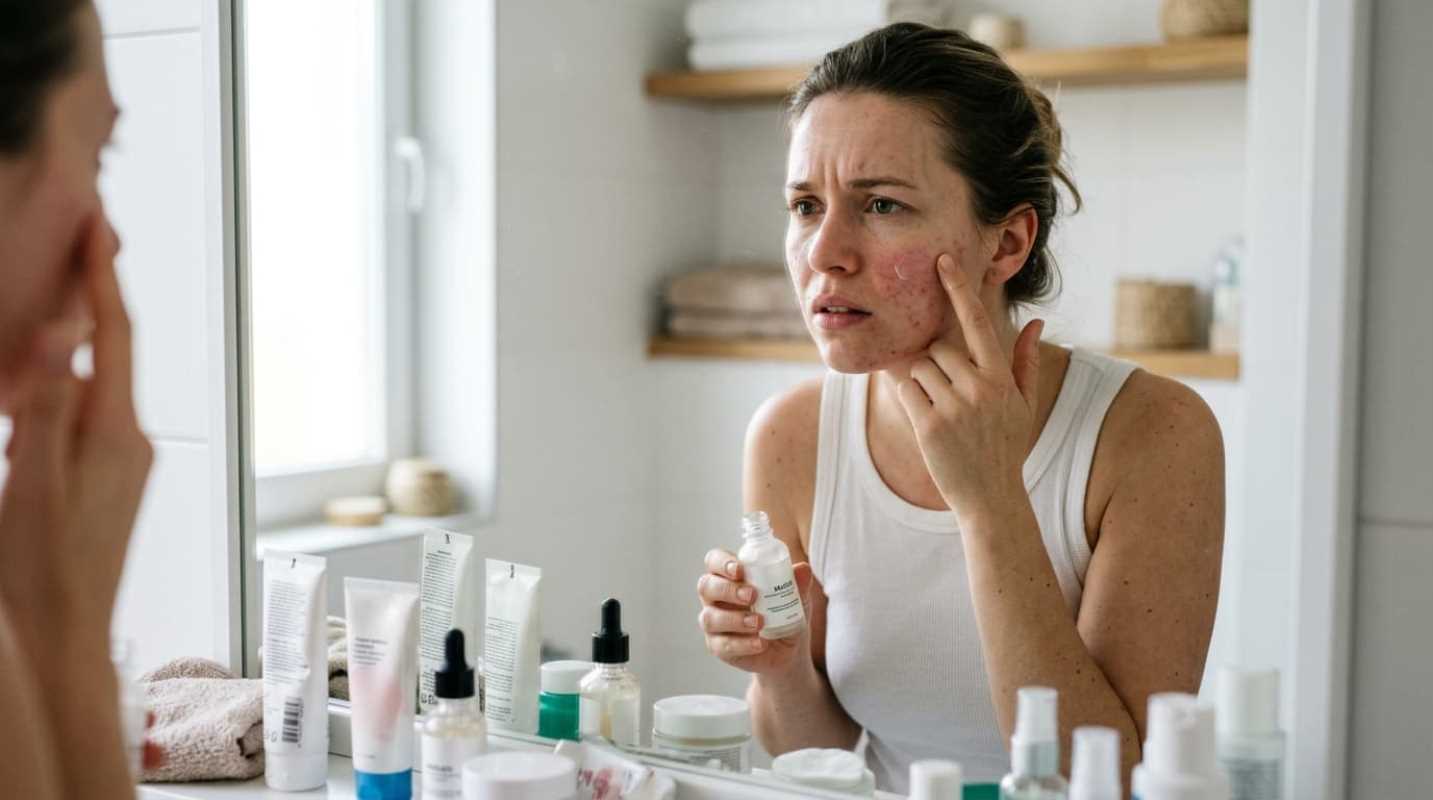
Have you ever looked in the mirror and sworn your skin changed overnight? One day you're dealing with a little dryness, and the next, you notice a sudden shift in how your skin bounces back. It's not just your imagination. Our skin evolves in fascinating, sometimes abrupt ways as we blow out more birthday candles. Getting older is a privilege, and caring for your skin means giving it exactly what it needs to function at its best. There's no need to try to freeze yourself in time. Instead, you can focus on building skin health that keeps you feeling confident.
Let's look at the actual science of how your skin shifts over time and map out a practical, evidence-backed approach to keep your natural glow strong.
The Science Beneath the Surface: Why Your Skin Shifts
For a long time, we were told that skin aging is a slow, steady slide. But recent science tells a completely different story.
A study from Stanford University revealed that we actually age in two dramatic biological bursts.¹ The first big shift happens around age 44, which affects how our bodies handle lipids and skin stability. The second hit comes around age 60, which impacts our immune system and tissue structure. If you felt like your skin suddenly changed in your mid-40s, you weren't imagining it. Your biology shifted.
At the heart of this change is collagen, which makes up about 70 to 80 percent of your skin's dry weight. Starting in your mid-to-late 20s, your body's collagen production drops by about 1 to 1.5 percent every single year.² By the time you reach 50, you've lost nearly 35 percent of your baseline collagen. For women, this drop gets even steeper during menopause, with a massive 30 percent loss in the first five years alone.
Why does this happen? It comes down to cells called fibroblasts. In young skin, fibroblasts are stretched tight across a strong collagen matrix, which keeps them active. As we age, enzymes called matrix metalloproteinases (MMPs) chop up this matrix. Without a solid structure to cling to, the fibroblasts collapse. Once they collapse, they produce less collagen and release even more of those destructive MMPs. It's a frustrating loop, but it's one we can interrupt.
Recognizing the Signs: What to Expect in Your 30s, 40s, and Beyond
So what does this actually look like in your daily life? Every decade brings its own set of shifts, and understanding them helps you work with your skin instead of against it.
In your 30s, you might start noticing the first fine lines around your eyes or mouth. Your skin's natural cell turnover begins to slow down, which can make your complexion look a bit dull. Think of it like a light dusting of snow on a windshield: it doesn't change the structure, but it softens the clarity.
By your 40s, that first Stanford aging burst kicks in. You'll notice a more obvious loss of elasticity, deeper lines, and skin that feels transitionally drier. This is when your skin's natural lipid production starts to drop, which means the moisture barrier needs extra help.
In your 50s and beyond, the skin barrier thins out, which leads to increased moisture loss. You might notice age spots, hyperpigmentation from years of sun exposure, and a general loss of facial volume.
These transitions are a completely normal part of life. Your skin is a living, breathing organ that adapts to your life, and these changes are just signs that it's time to update your approach.
Strategic Skincare Adjustments for Every Decade
To keep your skin healthy, you need to shift your focus. Instead of blasting your skin with harsh, aggressive treatments, you want to support its natural functions. This means streamlining your routine and focusing on ingredients that do the heavy lifting without causing irritation.
Here are the key pillars of a smart, modern skincare routine.
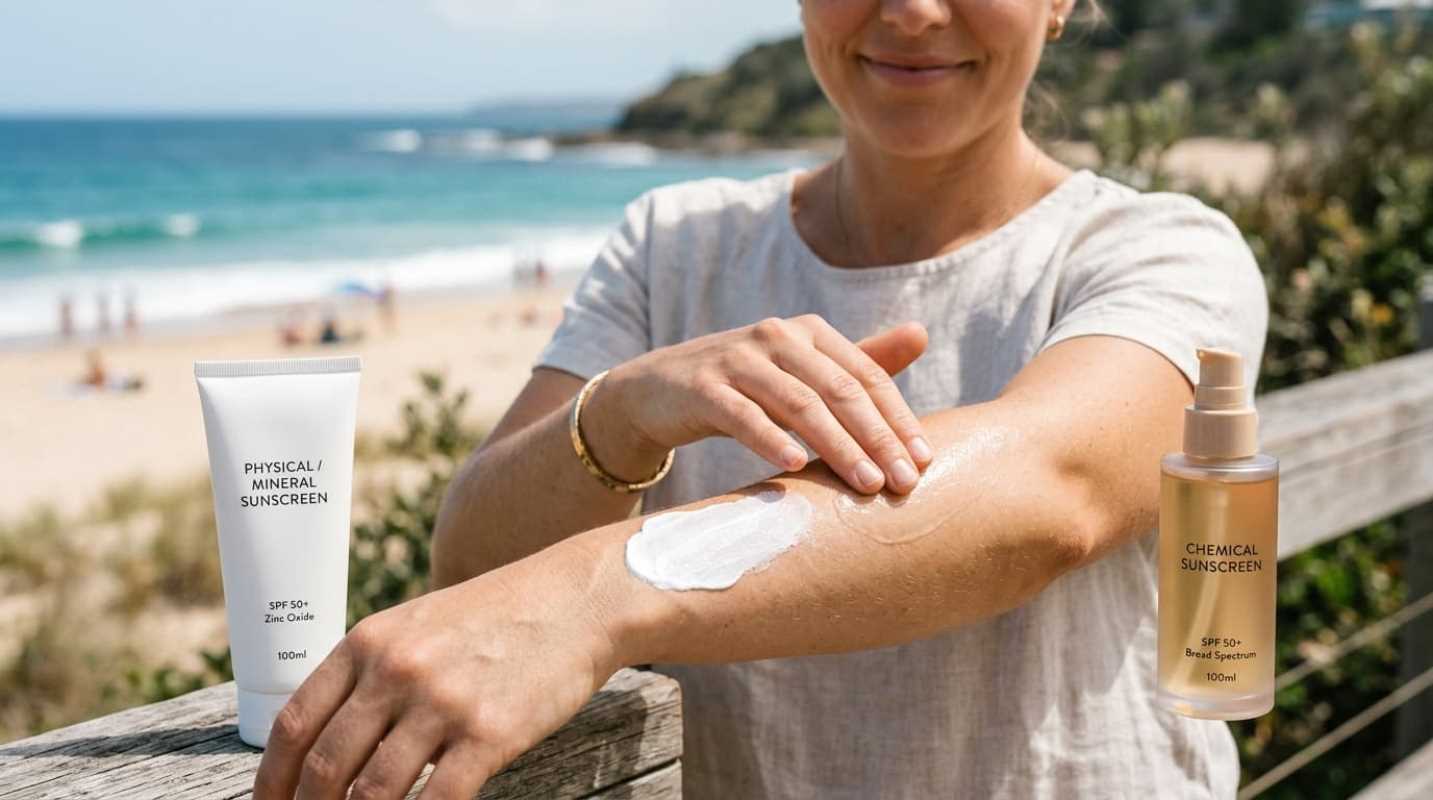
• Daily Sunscreen: This is your absolute baseline. Up to 80 percent of visible skin aging comes from daily, unprotected sun exposure. Apply a broad-spectrum SPF 30 or higher every single day, rain or shine.
• Next-Generation Retinoids: Retinoids are still the gold standard for boosting collagen, but the industry has evolved. Instead of standard retinol, look for retinal (also called retinaldehyde). Traditional retinol takes two steps to convert into active retinoic acid in your skin, but retinal only takes one. That means it works faster and more effectively, with far less irritation.
• Barrier Support: As your skin thins, it loses water faster. Look for moisturizers packed with ceramides to patch up your lipid barrier, along with peptides to send signals to your fibroblasts to make more collagen.
• Nighttime Melatonin: Your skin's natural melatonin production drops as you age. Applying topical melatonin at night helps support your skin's natural overnight repair process.
What about oral collagen? You've probably seen influencers stirring collagen powder into their coffee. But an independent systematic review in The American Journal of Medicine found that high-quality, independent studies show no real benefit for skin hydration or wrinkles. Save your money and stick to topical collagen-boosters like retinal and peptides.
Lifestyle Habits That Support Long-Term Skin Health
Great skin isn't just about what you put on your face. It's also about how you treat your body.
Instead of chasing the latest viral skincare trends, focus on the daily habits that build skin resilience:
• Manage Your Stress: High stress levels trigger cortisol, a hormone that can break down collagen and trigger inflammation. Find daily ways to unwind, whether that's a walk, reading, or just breathing deeply.
• Prioritize Sleep: Your skin does its heaviest repair work while you sleep. Skimping on rest directly cuts into your skin's recovery time.
• Eat for Your Skin: Focus on a balanced diet rich in antioxidants and healthy fats to support your skin's natural barrier from the inside out.
Consistency beats novelty every single time. A simple, steady routine will always deliver better results than jumping from one trendy product to the next.
In the medical world, dermatologists are moving away from the term "anti-aging." Instead, they're talking about "Skinspan."³ This concept, coined by Mayo Clinic dermatologists, focuses on extending the years your skin behaves and looks its healthiest, rather than trying to fight the clock.
If you want to take your skin health further, modern clinical treatments can help rebuild your skin's structure.
• Prejuvenation: Younger people are starting early with light laser treatments and micro-doses of neuromodulators to keep collagen levels high.
• RF Microneedling: This treatment uses tiny needles and heat to trigger a natural healing response, which prompts your skin to build fresh, tight collagen.
• Biostimulators: Injectables like poly-L-lactic acid act as a scaffold under your skin and encourage your own cells to produce natural collagen over several months.
Confidence at Any Age
Caring for your skin means understanding the biological shifts your body is going through and giving your skin the support it needs to thrive. There's no need to chase an artificial standard of perfection.
By focusing on smart, evidence-based ingredients like retinal and ceramides, protecting your skin barrier, and maintaining healthy daily habits, you can extend your skinspan and feel comfortable in your own skin.
Your skin has been with you through every laugh, every worry, and every milestone. Treat it with the respect it deserves, and let your natural confidence shine through.
Sources:
1. Massive biomolecular shifts occur in our 40s and 60s, Stanford Medicine
https://med.stanford.edu/news/all-news/2024/08/massive-biomolecular-shifts-occur-in-our-40s-and-60s--stanford-m.html
2. The 1% Problem: What You Should Know About Collagen Loss After 30, Parallel Health
https://www.parallelhealth.io/blogs/parallelogram/the-1-problem-what-you-should-know-about-collagen-loss-after-30
3. How Skinspan Goes Beyond Anti-Aging, Practical Dermatology
https://practicaldermatology.com/topics/aesthetics-cosmeceuticals/how-skinspan-goes-beyond-anti-aging/54825/
*This article on factblast.net is for informational and educational purposes only. Readers are encouraged to consult qualified professionals and verify details with official sources before making decisions. This content does not constitute professional advice.*