Have you ever looked at your bathroom counter and felt a wave of exhaustion? Between the ten-step routines, the viral TikTok trends, and the shelves packed with colorful bottles, taking care of your skin has become a full-time job. It's also making our skin miserable.
We've officially entered the era of overdosed skin. Board-certified dermatologists are seeing a massive surge in patients with completely ruined skin barriers. When you aggressively layer exfoliating acids, retinoids, and vitamin C, you're not curing your skin. You're actually causing chronic inflammation and redness.
This is why smart skinimalism is taking over.¹ The skinimalism market is growing at a rapid 10.7% compound annual growth rate as people reject the clutter.² Smart skinimalism isn't just about using fewer products. It's a calculated, science-backed approach that focuses on your skin barrier and multi-functional ingredients.¹
Think of your skin barrier, the stratum corneum, like a brick wall.³ Your skin cells are the bricks, and lipids like ceramides and fatty acids are the mortar.³ When you over-cleanse or pile on too many active ingredients, you strip away that lipid mortar.³ This triggers transepidermal water loss, which is just a fancy way of saying moisture escapes and irritants get in.³
So what does this mean for your daily life? It means cutting back saves your skin and your wallet. A study highlighted by the National Institutes of Health showed that people using a simple routine of three to four products experienced 40% less skin irritation than those using eight or more daily products.⁴ Less really is more.
The Holy Trinity of Skincare Steps You Can’t Skip
You don't need a chemistry degree or a dozen potions to get healthy skin. In fact, most dermatologists agree that an effective routine requires only three core pillars. You need to cleanse, treat, and protect.⁵
Let's break down why these three steps are your non-negotiables.
First, cleansing is the foundation of healthy skin. If you don't clean your face properly, dirt, sweat, and pollution build up. This blocks your other products from doing their jobs. But the goal is to clean, not strip. You want a face that feels soft after washing, not tight like a drum.
Second, moisturizing is about locking in hydration. Every skin type needs moisture, even oily skin. When your skin lacks hydration, it actually produces more oil to compensate. A good moisturizer acts like a protective seal to keep that precious water from evaporating.
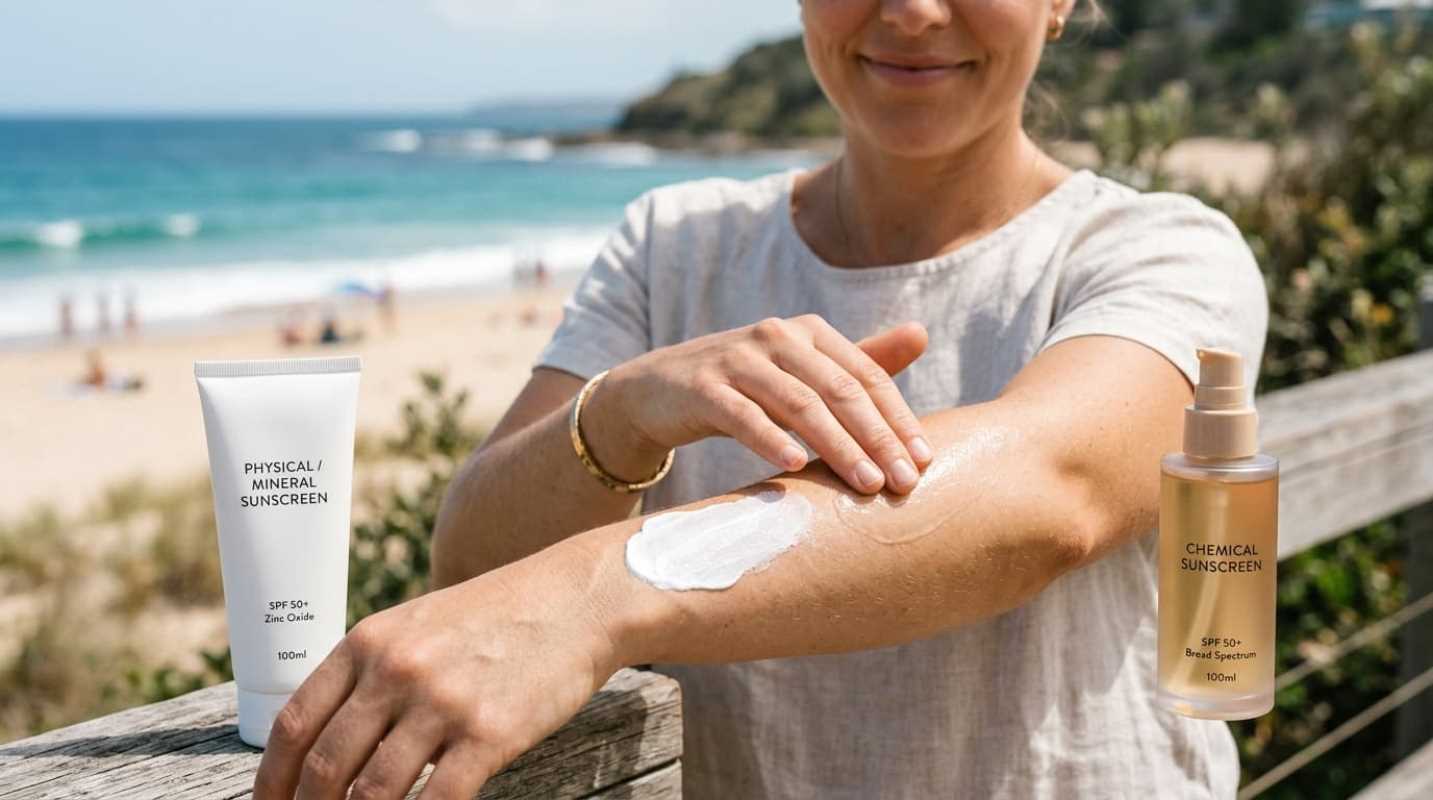
Third, sun protection is your ultimate defense. If you aren't wearing sunscreen daily, the rest of your routine is practically useless. UV rays cause premature aging, dark spots, and skin cancer. A broad-spectrum SPF of 30 or higher is your best anti-aging product, hands down.
Identifying Your Skin’s True Needs
How do you figure out what your skin actually needs when every brand claims to have the magic cure? The trick is to block out the marketing noise.
You can easily assess your skin type at home. Wash your face with a gentle cleanser, pat it dry, and wait 30 minutes. If your skin feels tight and looks flaky, you have dry skin. If it looks shiny all over, you have oily skin. If the shine is only in your T-zone, you have combination skin.
Once you know your type, stop chasing every viral trend. Dr. Rachel Nazarian warns that using too many products is actively ruining our skin health despite the billions we spend annually on beauty. Social media makes us feel like we're missing out if we don't try the latest serum. But your skin thrives on predictability, not novelty.
Dr. Whitney Hovenic puts it perfectly: "Consistency, not complexity, is the real secret to healthy skin." Dr. Suchismita "Tia" Paul agrees, noting that her biggest advice is to keep it simple, especially if you don't know exactly what each serum in your cabinet is supposed to do.
Building Your Routine with a Step-by-Step Guide
Ready to streamline your vanity? Here is how to structure a minimalist routine that works.
The Morning Routine
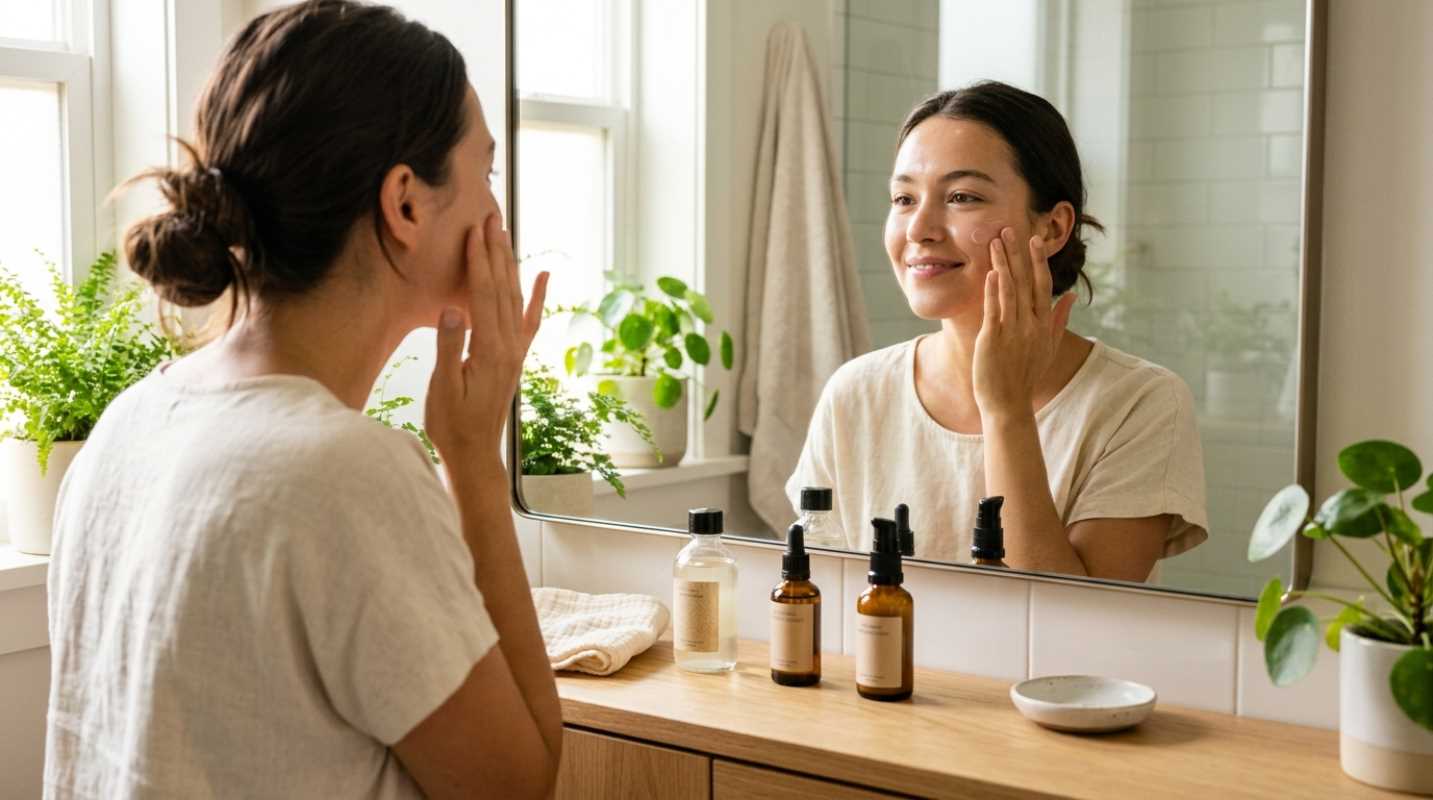
• Cleanse: Wash with a mild, non-stripping cleanser to remove overnight sweat and sebum. If you have extremely dry skin, rinsing with lukewarm water is often enough.
• Treat: Apply an antioxidant serum like Vitamin C. This neutralizes free radicals from UV rays and pollution while boosting your collagen production.
• Protect: Apply a broad-spectrum SPF 30 or higher. To keep things simple, use a hybrid moisturizing sunscreen that hydrates while protecting.
The Evening Routine
• Cleanse: Use a gentle cleanser to wash away the day. If you wear heavy makeup or waterproof sunscreen, try a double cleanse by starting with a cleansing balm and following with a water-based cleanser.
• Treat: Apply a low-dose retinoid. Retinoids are the gold standard for cell turnover, helping with both acne and aging.
• Moisturize: Apply a rich moisturizer containing ceramides, hyaluronic acid, or squalane to help rebuild your skin barrier overnight.
If you want to build this routine, here are some excellent, dermatologist-recommended products that fit a minimalist approach.
Remember to introduce active ingredients slowly. Don't start a retinoid and a vitamin C serum on the same day. Give your skin at least two weeks to adjust to one new product before adding another.
Monitoring Results and Knowing When to Adjust
Patience is your most important skincare ingredient. Your skin cells take about 28 days to renew, so you can't judge a new routine after three days. Stick with your streamlined routine for at least four weeks before deciding if it works.
Clinical trials prove this patience pays off. In a four-week study of 49 women, a basic two-step routine of just a cleanser and a moisturizing day cream was enough to significantly improve wrinkles and reduce redness.⁴
How do you know if your minimalist experiment is succeeding? Look for these signs
• Hydrated texture: Your skin feels comfortable throughout the day without feeling tight or excessively oily.
• Reduced redness: Less inflammation means a more even, calm skin tone.
• Fewer breakouts: A healthy skin barrier is much better at fighting off acne-causing bacteria.
If your skin starts burning, peeling, or breaking out in painful cystic acne, it's time to scale back even further and consult a board-certified dermatologist.
Maintaining this simple approach is all about mindset. Dr. Stephen Suah recommends that you "skip the extremes and focus on fundamentals: cleanse, hydrate, protect, and treat with proven ingredients."⁵
When a new viral product tempts you, ask yourself if it actually solves a problem your current routine doesn't. Most of the time, the answer is no. Your skin, and your wallet, will thank you for keeping it simple.
Sources:
1. Smart Skinimalism - The Inkey List
https://www.theinkeylist.com/blogs/news/smart-skinimalism
2. Skinimalism Market - Insight Ace Analytic
https://www.insightaceanalytic.com/report/skinimalism-market/3362
3. Skin Barrier Damage - Dot3B
https://dot3b.com/blogs/science-says/skin-barrier-damage
4. Dermatologist Approved 2-Step Minimalist Skincare Routine - Dr. Sheth's
https://www.drsheths.com/en-us/blogs/faq/dermatologist-approved-2-step-minimalist-skincare-routine
5. Minimalist Skincare: The Evidence-Based Routine Your Skin Actually Needs - Foxhall Dermatology
https://www.foxhalldermatology.net/blog/minimalist-skincare-the-evidence-based-routine-your-skin-actually-needs
*This article on FactBlast is for informational and educational purposes only. Readers are encouraged to consult qualified professionals and verify details with official sources before making decisions. This content does not constitute professional advice.*