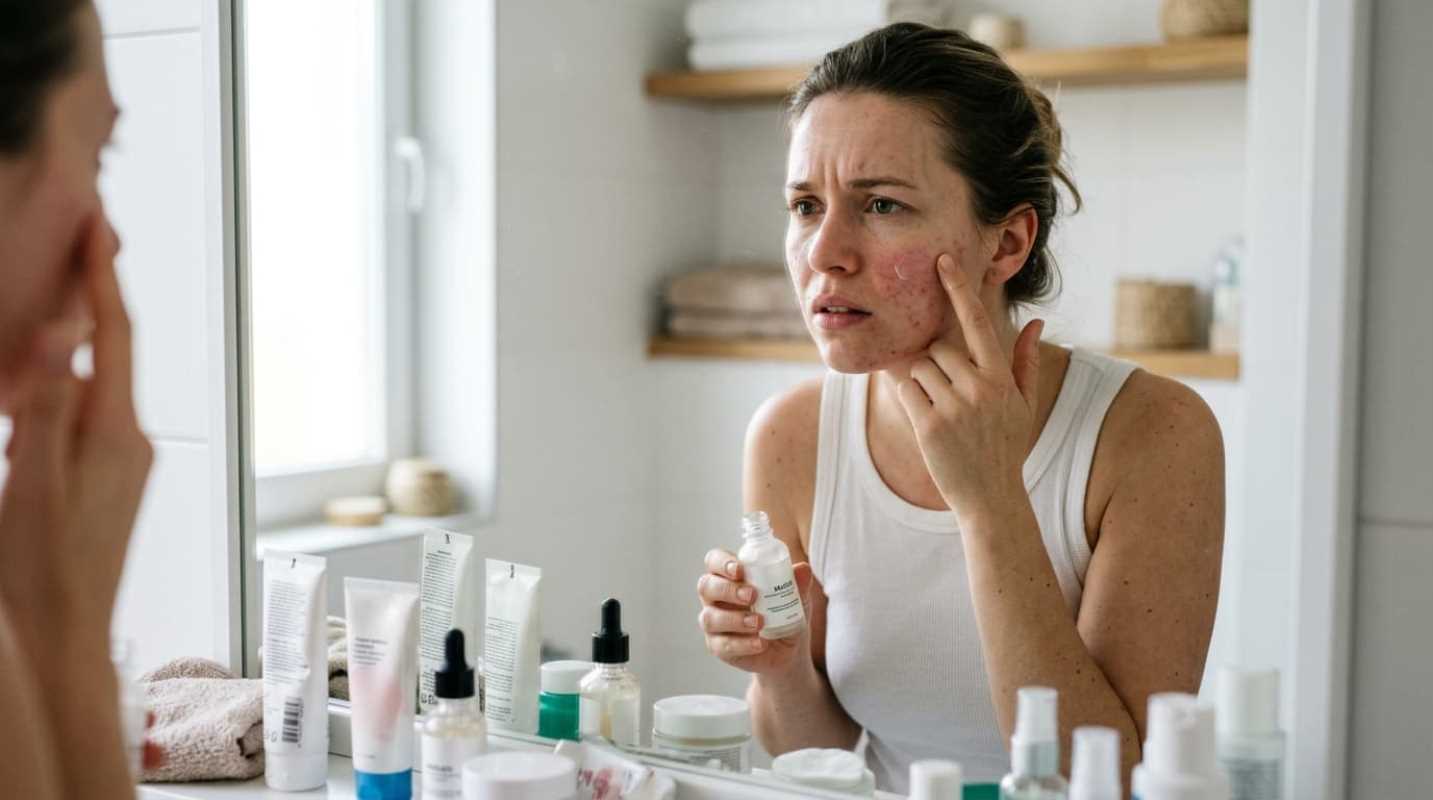
Ever apply a fresh moisturizer only to feel your face start burning instantly? You're far from alone. In fact, research shows that up to 70% of people worldwide report having sensitive skin.¹ So what's actually happening beneath the surface? First, it helps to distinguish true sensitive skin from sensitized skin. Sensitive skin is a genetic trait. You're born with a naturally thinner moisture barrier that lets external irritants slip through far too easily.
Sensitized skin, on the other hand, is a temporary state. It happens when external forces like urban pollution, emotional stress, dry weather, or aggressive skin treatments damage an otherwise healthy moisture barrier.
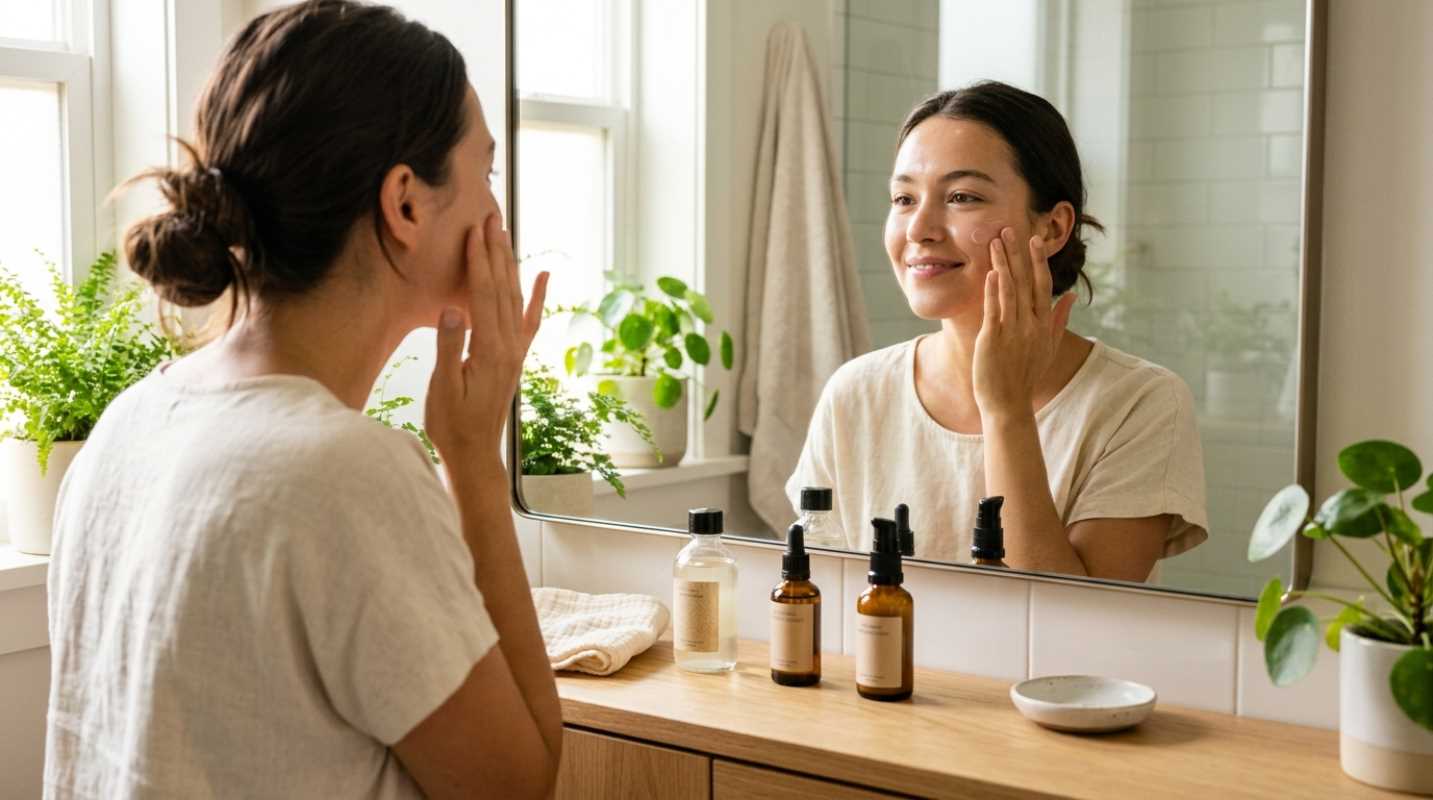
Your skin communicates constantly. Tightness after washing, lingering redness, sudden flaking, or a sharp stinging sensation are your skin's way of sending an SOS signal. When you notice these signs, forcing your skin to endure a complex routine will only make things worse. Listening to that immediate feedback is your best defense against long-term irritation.
The Golden Rule of Common Irritant Avoidance
If you want to heal reactive skin, your first move isn't buying a fancy new serum. It's cutting out the hidden culprits sitting on your bathroom shelf.
A lot of people assume natural products are inherently safer. That's a huge myth. Needed oils like tea tree, lavender, and citrus peel extracts are notorious for triggering contact dermatitis. Just because an ingredient grew in the ground doesn't mean your skin wants it on your face.
Learning to read ingredient labels saves you a lot of discomfort. Here are the top high-risk ingredients you should avoid:
• Added Fragrance: Scents are the top cause of cosmetic contact dermatitis. Watch out for "Parfum" or synthetic fragrances on the label.
• Masking Scents: Be careful with "unscented" products, as they often contain hidden masking fragrances. Look for "fragrance-free" labels instead.
• Drying Alcohols: Denatured alcohol, ethanol, and alcohol SD strip away natural lipids, leaving micro-tears in your moisture barrier. Fatty alcohols like cetyl alcohol are safe and hydrating.
• Harsh Surfactants: Ingredients like Sodium Lauryl Sulfate (SLS) create aggressive foam that disrupts your natural pH balance.
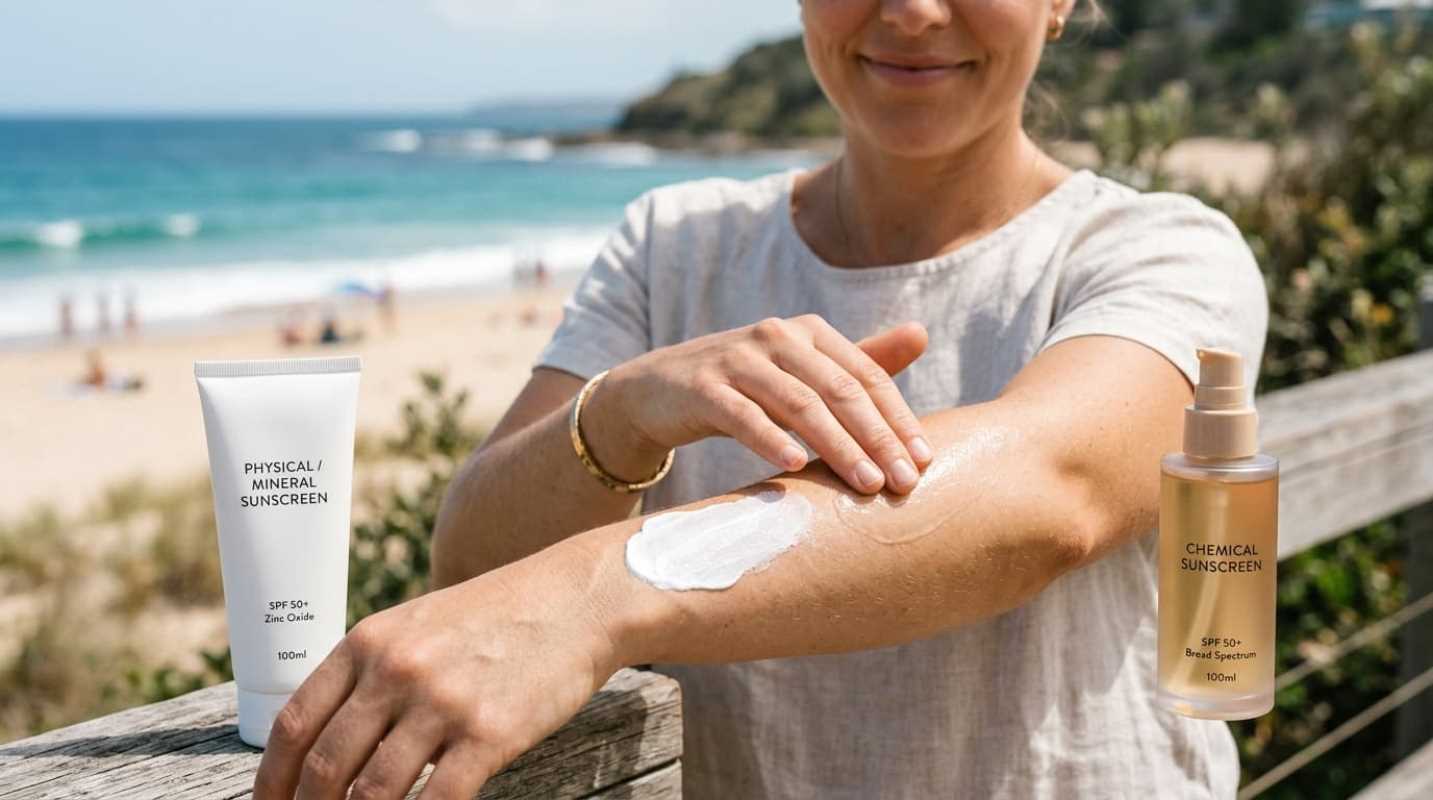
• Chemical Sunscreens: Ingredients like oxybenzone and avobenzone absorb UV light and convert it to heat, which often causes stinging on reactive faces.
Mastering Gentle Ingredient Selection
Once you clear out the irritants, you can focus on ingredients that repair and defend your skin's outer layer.
Instead of chasing every trend, prioritize barrier support. Look for formulas rich in ceramides, hyaluronic acid, and colloidal oatmeal. Colloidal oatmeal and ceramides are exceptional at strengthening your moisture barrier and locking in hydration without causing a flare-up.
Minimalist formulas are your best friend here. A product with a short ingredient list means fewer potential triggers for your immune system to react to.
If you want to use active ingredients like niacinamide or azelaic acid, keep the concentration low. High concentrations of niacinamide often cause stinging, so stick to products with less than 3%. Keep your focus on hydration and barrier repair, and save the aggressive exfoliants for when your skin is completely calm.
The Safety First Approach to Patch Testing
Buying a new product is exciting, but slathering it across your whole face right away is a dangerous gamble.
Patch testing is simple, yet most people skip it because they want fast results. Contact dermatitis can take several days to show up, so applying a product once isn't enough to confirm it's safe. The American Academy of Dermatology recommends a multi-day test before adding anything new to your lineup.²
Here is how to patch test effectively at home.
1. Apply a small amount of product to a discreet patch of skin where it won't wash off easily, like the inner bend of your elbow or your jawline.
2. Leave the product on if it's a serum, moisturizer, or sunscreen. If it's a rinse-off cleanser, leave it on for five minutes and then rinse thoroughly.
3. Repeat this process once a day for 7 to 10 days.
4. Watch closely for signs of a reaction, such as redness, itching, swelling, or tiny bumps.
If you notice any stinging or redness during those 10 days, wash the area immediately with a gentle cleanser. Apply a plain moisturizer like white petrolatum to soothe the spot, and drop that product from your list.
Building Your Simple and Effective Routine
When your skin is reactive, simple wins every single time. A streamlined core routine gives your moisture barrier the breathing room it needs to recover.
Here is how to structure your daily steps:
• Morning Cleansing: Wash your face with lukewarm water or an ultra-gentle, non-foaming cleanser. Avoid hot water, which strips away natural protective lipids.
• Morning Hydration: Apply a fragrance-free barrier repair cream packed with ceramides or squalane.
• Morning Sun Protection: Apply a mineral sunscreen with SPF 30 or higher. Mineral filters like zinc oxide sit on top of your skin rather than soaking in, reducing the risk of irritation.
• Evening Care: Cleanse gently to remove the day's dirt and sunscreen. If you wear water-resistant sunscreen, start with a fragrance-free micellar water before your gentle cleanser. Seal in moisture with a rich repair cream or ointment.
When introducing new products, adopt a "low and slow" approach. Add only one new item at a time, and wait at least two weeks before introducing another. That way, if your skin reacts, you'll know exactly which product caused the issue.
Recommended Products for Sensitive Skin
Finding gentle products that fit your routine doesn't have to involve trial and error. Here are top-rated choices designed for delicate skin types.
Taking care of sensitive skin comes down to consistency, patience, and keeping things as basic as possible. Give your skin barrier time to rest and rebuild, and you'll see fewer flare-ups over time.
Sources:
1. Galderma Global Sensitive Skincare Faculty Study
https://www.galderma.com/news/galdermas-study-modern-living-sensitive-skin
2. American Academy of Dermatology - Patch Testing Guidance
https://www.aad.org/public/diseases/eczema/types/contact-dermatitis/patch-testing-rash
*This article on FactBlast is for informational and educational purposes only. Readers are encouraged to consult qualified professionals and verify details with official sources before making decisions. This content does not constitute professional advice.*