Have you ever looked in the mirror after a long night or a salty dinner and wondered where your jawline went? We've all been there. For years, the standard answer was to buy another expensive cream, slather it on, and hope for a fast recovery. But recently, the beauty world realized something simple yet transformative. Great skin isn't just about what you put on top of your face. It's also about what's happening beneath the surface.
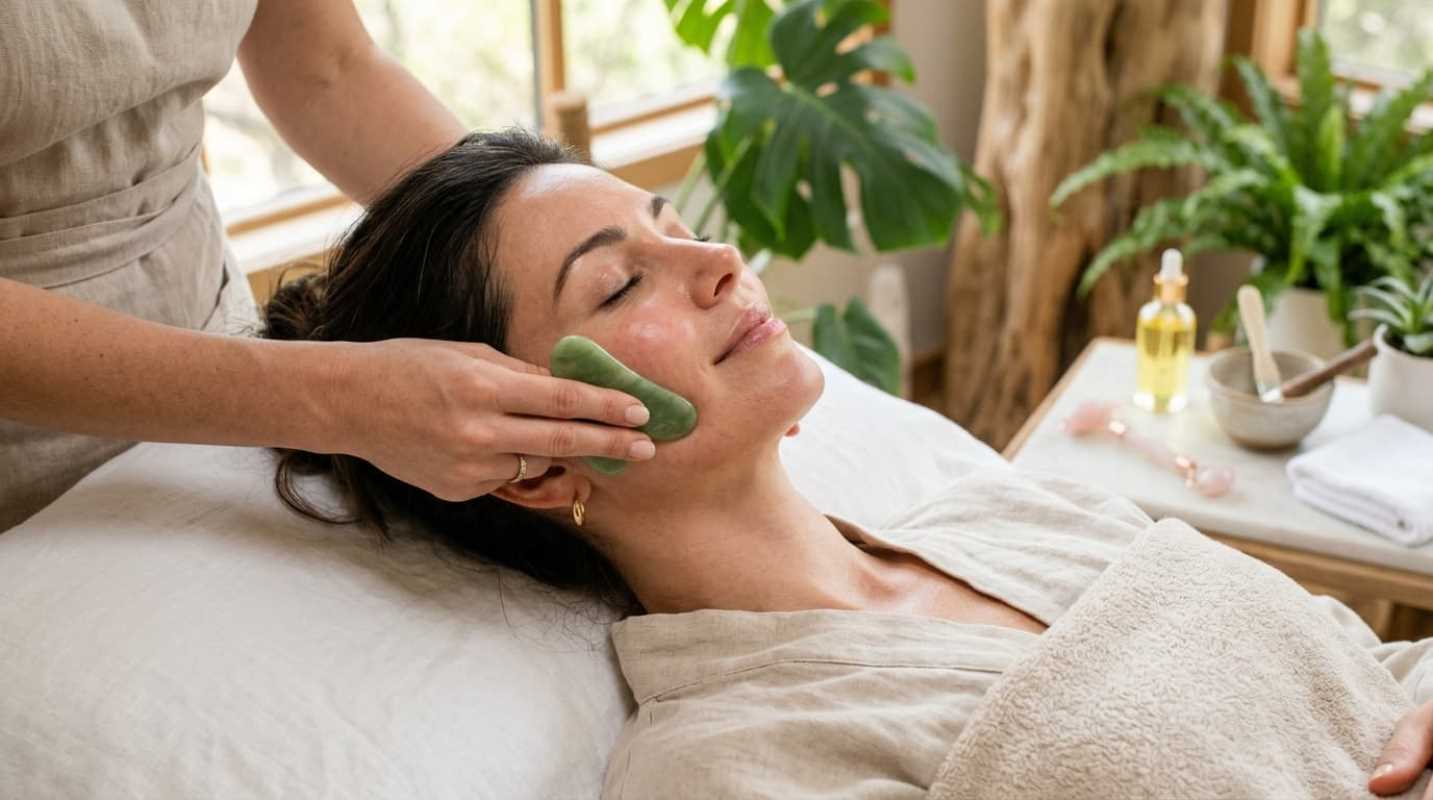
This shift has sparked a major movement toward complete facial fitness. Instead of relying purely on bottled topical ingredients, people are turning to facial massage tools and Gua Sha. Rooted in ancient East Asian medicine, Gua Sha involves using a smooth stone or metal board to gently massage the face and neck. When you combine this traditional practice with modern facial rollers, you get a reliable routine to de-puff, lift, and revive tired skin.
Before you throw out your serums, let's set realistic expectations. Facial massage won't permanently change your bone structure or melt away fat cells. What it can do, but is clear out fluid buildup, improve skin texture, and ease facial tension. If you bring a little consistency and patience to the table, the visible results speak for themselves.
Unlocking Lymphatic Drainage Benefits
So why does gliding a smooth stone across your cheeks make such a noticeable difference? The secret lies in your facial lymphatic system. Think of your lymphatic system as your skin's internal sanitation network. It collects excess fluid, cellular waste, and toxins from your tissues and transports them away to be filtered.
Unlike your circulatory system, which relies on the heart to keep blood pumping, your lymphatic system has no central pump. It depends entirely on physical movement, muscle contractions, and manual pressure to move fluid along. When that fluid stalls in your face, you wake up with heavy eye bags, swollen cheeks, and a dull complexion.
Facial massage tools act like a gentle manual pump for that trapped fluid. Sweeping a tool across your skin moves stagnant lymph out of interstitial tissues and toward key drainage points behind your ears and down your neck.
The benefits go far beyond reducing puffiness. Landmark studies using laser Doppler imaging confirm that manual Gua Sha scraping produces an immediate 400% increase in surface blood microcirculation.¹ This rush of blood perfusion lasts for over 20 minutes, delivering fresh oxygen and nutrients directly to your skin cells. Clinical trials also show that regular tool usage over several weeks measurably reduces fluid-induced contour swelling and decreases muscle stiffness.²
Tool Material Comparison: Jade, Rose Quartz, and Stainless Steel
Walk down any beauty aisle, and you'll see tools created from a wide range of materials. Choosing the right tool comes down to your skin type, hygienic needs, and sensory preferences.
• Stainless steel: Non-porous and practically indestructible, stainless steel is top-rated by dermatologists. It stays naturally cool to the touch, cleans up instantly with a quick wipe of 70% isopropyl alcohol, and carries zero risk of trapping bacteria in microscopic cracks.
• Jade: Jade is the traditional stone choice used for centuries. It feels cool when it first touches your face, though it adapts quickly to your body heat. Because natural jade is slightly porous, you need to wash it thoroughly with warm, soapy water after every single use to keep it clean.
• Rose quartz: Rose quartz is denser than jade, meaning it holds its cold temperature for much longer during your massage session. It is ideal if you struggle with morning flushing or hot, reactive skin, though you must be careful not to drop it on a tiled floor.
• Bian stone: Bian stone is an authentic mineral stone rich in trace elements. It carries a heavy, satisfying weight in the hand and works exceptionally well for releasing deep facial muscle tension in mature skin.
• Terahertz stone: Terahertz is a synthetic material recognized for extreme thermal conductivity. It changes temperature instantly when exposed to cold or warm water, making it perfect for rapid contrast therapy.
Mastering the Art and Proper Technique
Having the right tool is only half the battle. If you drag a stone across dry skin or push down too hard, you risk stretching delicate tissue or bursting tiny blood vessels. Mastering the technique comes down to a few core rules.
1. Always apply a facial oil: Never use a Gua Sha tool on dry skin. Apply 3 to 5 drops of a slippery facial oil like squalane, jojoba, or rosehip. The goal is complete glide without any drag or friction.
2. Keep the tool flat: Hold your Gua Sha tool at a gentle 15 to 30 degree angle against your face. You should never drag the hard 90-degree edge straight down against your skin.
3. Use a light touch: Initial facial lymphatic vessels rest directly beneath your top layer of skin. Pushing down hard crushes these micro-capillaries and halts drainage. Keep your stroke feather-light to medium.
4. Clear the neck first: Always start your routine on your neck. Sweep downward toward your collarbones to clear the exit pathways. If you skip the neck, fluid pushed down from your face has nowhere to go.
5. Stroke from the center outward: Glide from the middle of your face toward your hairline and ears. Do 3 to 5 slow, smooth passes per area, always finishing by sweeping down the side of your neck toward your collarbone.
Integrating Tools into Your Skincare Ritual
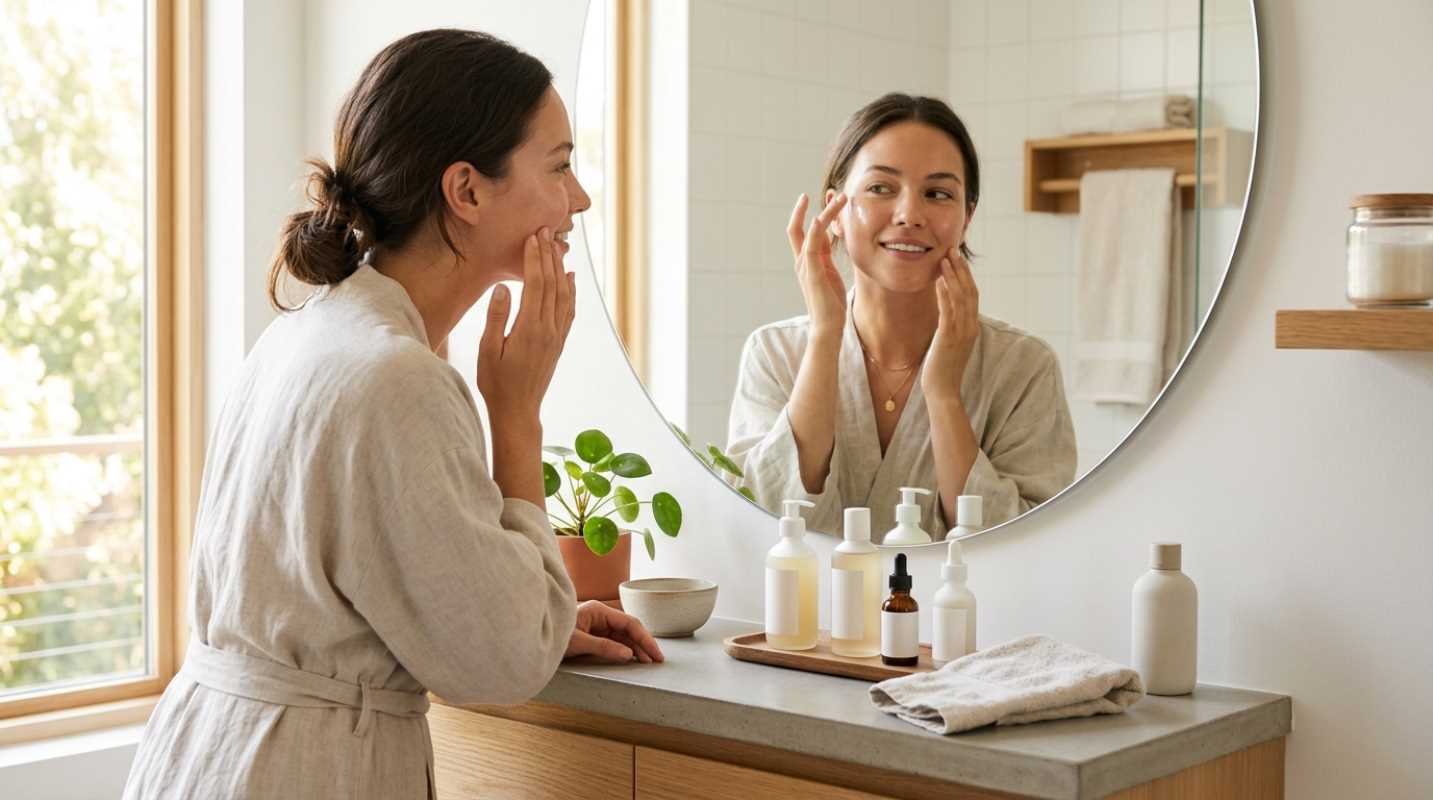
Fitting facial massage into your daily life doesn't require an hour-long spa routine. In fact, 5 to 10 minutes a day is all it takes to make a visible difference in your skin's tone and contour.
Morning sessions are ideal if you wake up with fluid retention around your eyes or jaw. Using a chilled stainless steel or rose quartz tool quickly wakes up tired features before you head out the door. Evening sessions focus on stress relief. Using your tool at night helps melt away facial tension from daily jaw clenching and frowning.
Pairing your massage with your existing routine also boosts product application. Gliding a tool over your skin after applying your favorite hydrating serum helps evenly distribute the product while encouraging deeper surface absorption.³
Safety is still paramount. Avoid running tools directly over active inflammatory acne, as dragging a stone across pustules can spread bacteria and cause hyperpigmentation. If you receive cosmetic injectables like neurotoxins or dermal fillers, hold off on facial massage for at least 2 to 3 weeks to prevent moving the product around under your skin. Wash your non-porous tools with antibacterial soap and water after every single session.
The Confidence of a Sculpted Glow
Adopting facial massage tools is about more than just contouring your jawline. It is a daily opportunity to slow down, put away your phone, and build a relaxing connection with your own body.
When you dedicate a few quiet minutes each day to relieve facial tension and support your skin's natural drainage, your face responds with a fresh, healthy radiance. It takes consistency and a gentle hand, but the cumulative lift and natural glow make every single stroke worth it. Pick a tool that suits your style, grab your favorite oil, and enjoy the lasting benefits of this daily self-care ritual.
Sources:
1. Laser Doppler Imaging of Skin Microcirculation During Gua Sha
https://pubmed.ncbi.nlm.nih.gov/17905355/
2. Evaluation of Gua Sha and Facial Rollers in Cosmetic Dermatology
https://pubmed.ncbi.nlm.nih.gov/40439289/
3. Clinical Benefits of Facial Gua Sha Techniques
https://northbiomedical.com/articles/gua-sha-benefits/
*This article on FactBlast is for informational and educational purposes only. Readers are encouraged to consult qualified professionals and verify details with official sources before making decisions. This content does not constitute professional advice.*