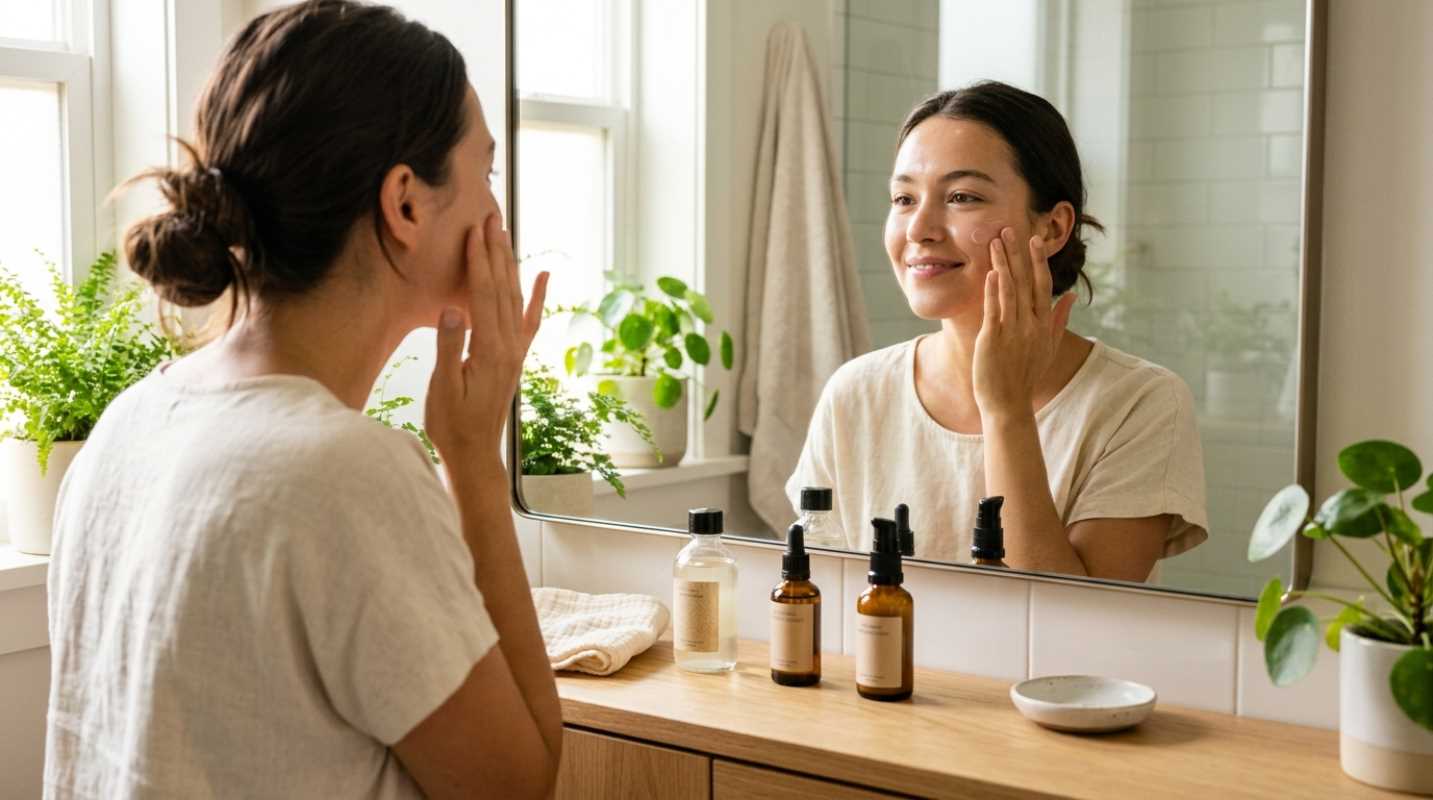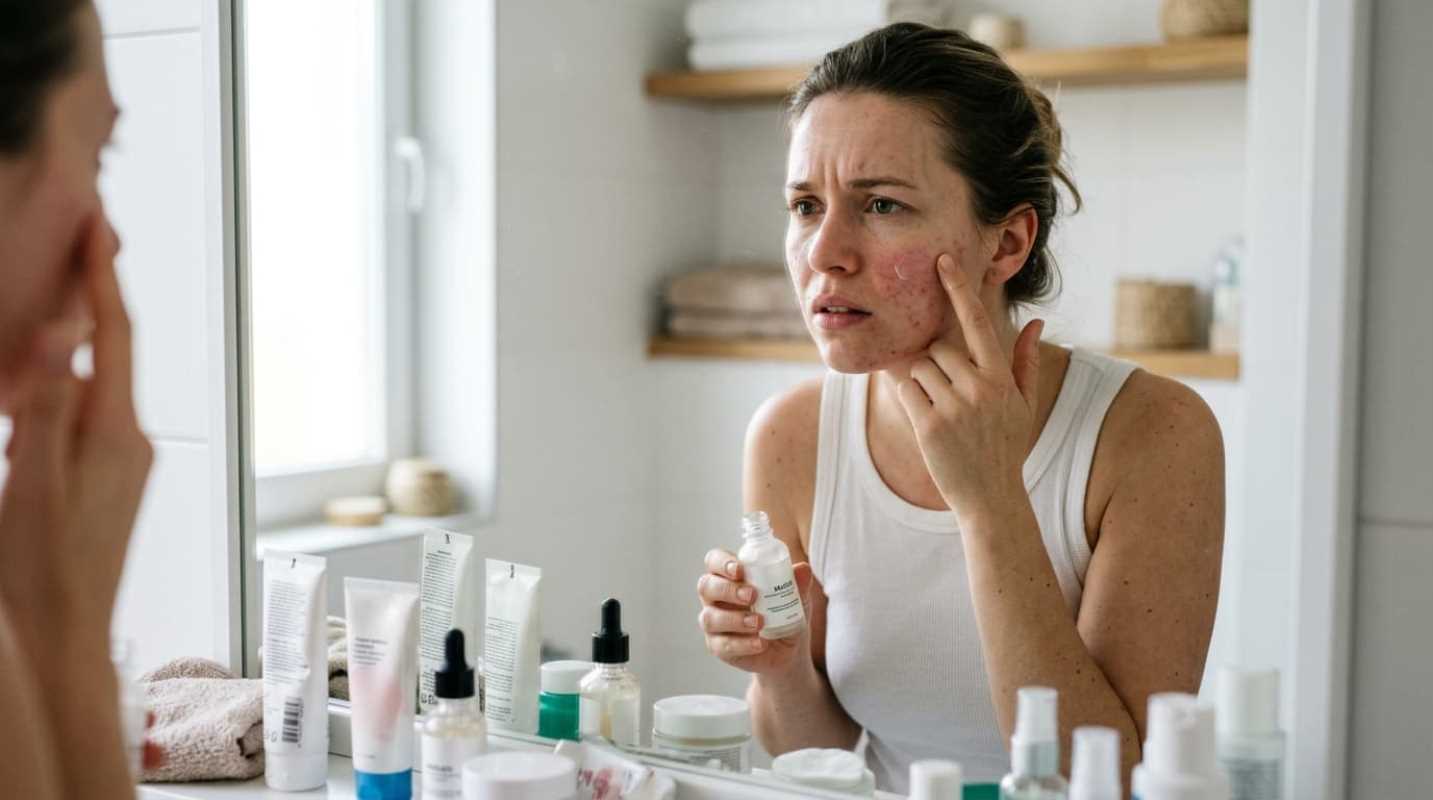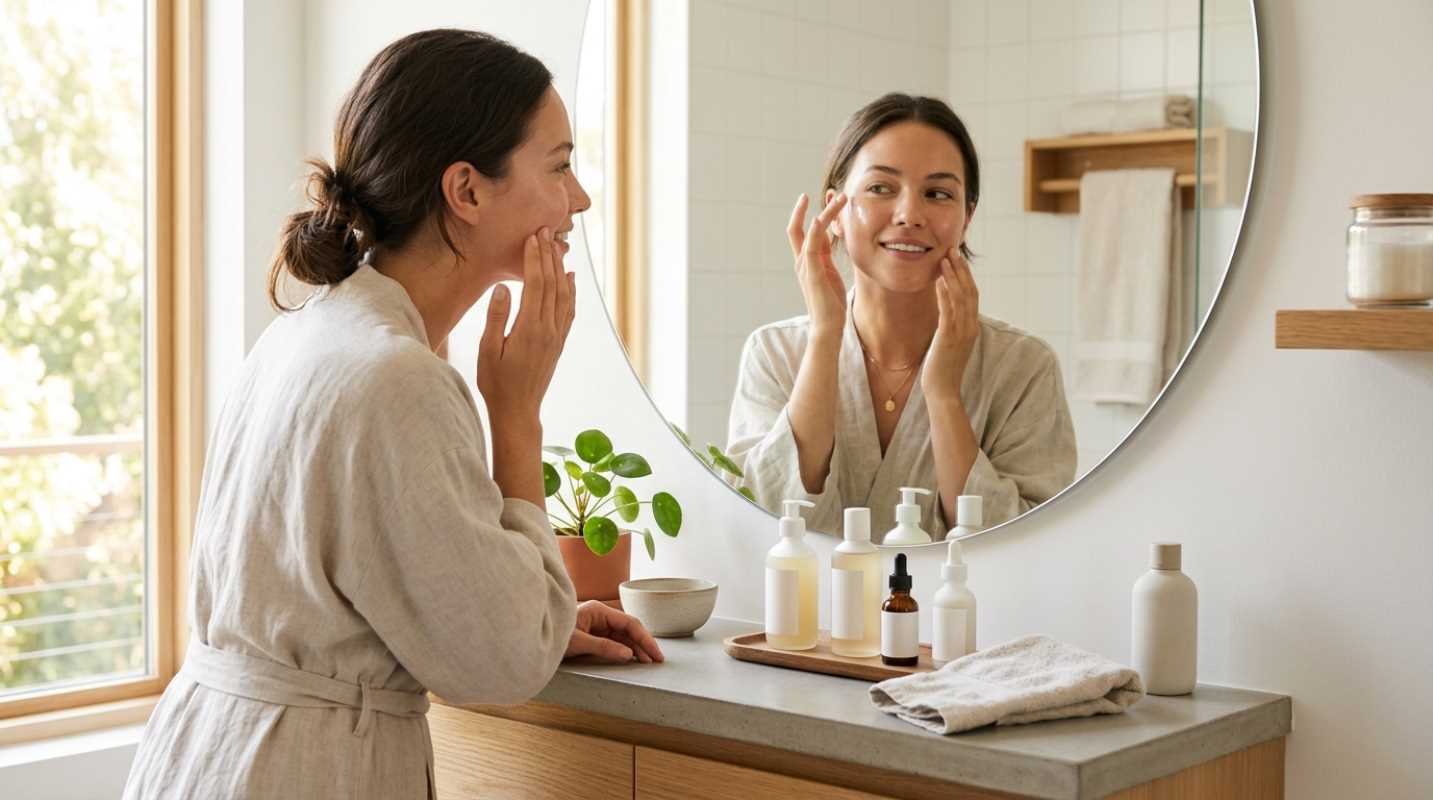
Have you ever slathered a thick charcoal mask across your entire face, only to spend the next three days flaking around your cheeks? You are not alone. For years, skincare treatments assumed our faces were uniform canvases that needed the exact same ingredients from forehead to chin. If you had a greasy nose, you treated your entire face like an oil refinery. If your cheeks felt tight, you coated your whole face in heavy butter, only to wake up with clogged pores on your chin.
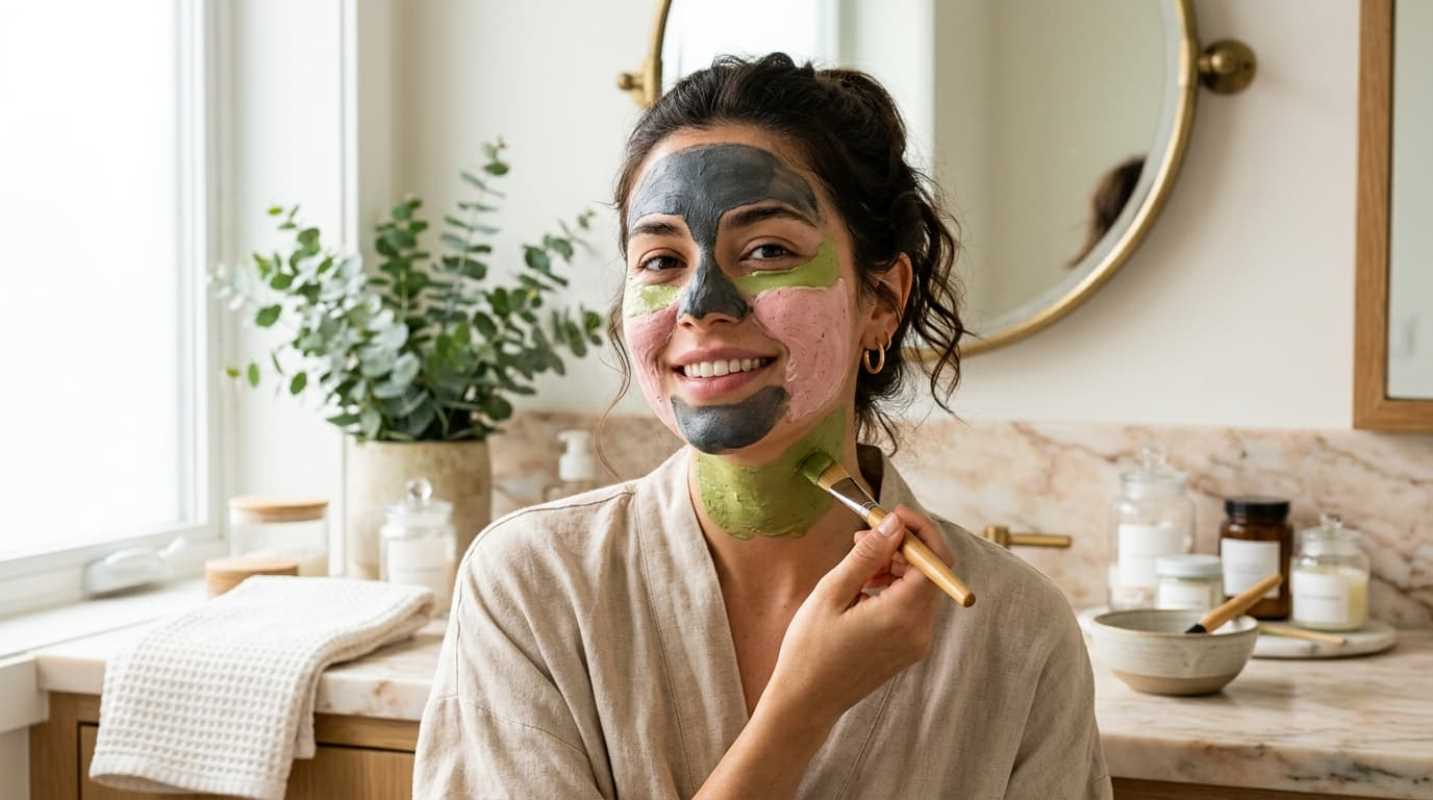
That one-size-fits-all approach is officially out. Enter multi-masking, the practice of applying different masks to specific areas of your face at the exact same time. Think of it like a customized menu for your skin. Your forehead gets what it wants, your cheeks get what they need, and your under-eyes get specialized care, all in a single 15-minute sitting.
Research from Mintel shows that about 13% of adults who use skincare report that targeted facial treatments deliver far better visible results than standard daily routines alone.¹ It makes complete sense. Why force your whole face to suffer through a harsh drying treatment when only your nose actually needs it? Multi-masking is the ultimate efficiency hack for anyone who wants high-level results without adding an extra hour to their nightly routine.
Decoding Your Face and Mapping Your Unique Needs
To get multi-masking right, you have to understand why your face acts like two or three completely different weather zones. The reason is simple biology. Your sebaceous oil glands are physically far denser in your T-zone (your forehead, nose, and chin) than in your U-zone (your cheeks, jawline, and outer edges).
When you treat these areas with the same brush, you end up in a tug-of-war. Stripping oil from your U-zone damages your natural barrier and creates red, dry patches. On the flip side, slathering rich oils onto an already shiny T-zone feeds breakouts and clogs pores. By mapping out your facial zones, you can send the right active ingredients directly where they belong.
Here is how you can break down your facial real estate to choose the best formulas.
• The T-Zone: This region usually struggles with excess oil, enlarged pores, and stubborn blackheads. Look for purifying clay formulas made with kaolin clay, bentonite clay, activated charcoal, or salicylic acid to pull out debris.
• The U-Zone: Your cheeks and jawline tend to lose moisture much faster, leading to tightness and dullness. Stick with hydrating cream or gel masks packed with hyaluronic acid, ceramides, glycerin, or squalane.
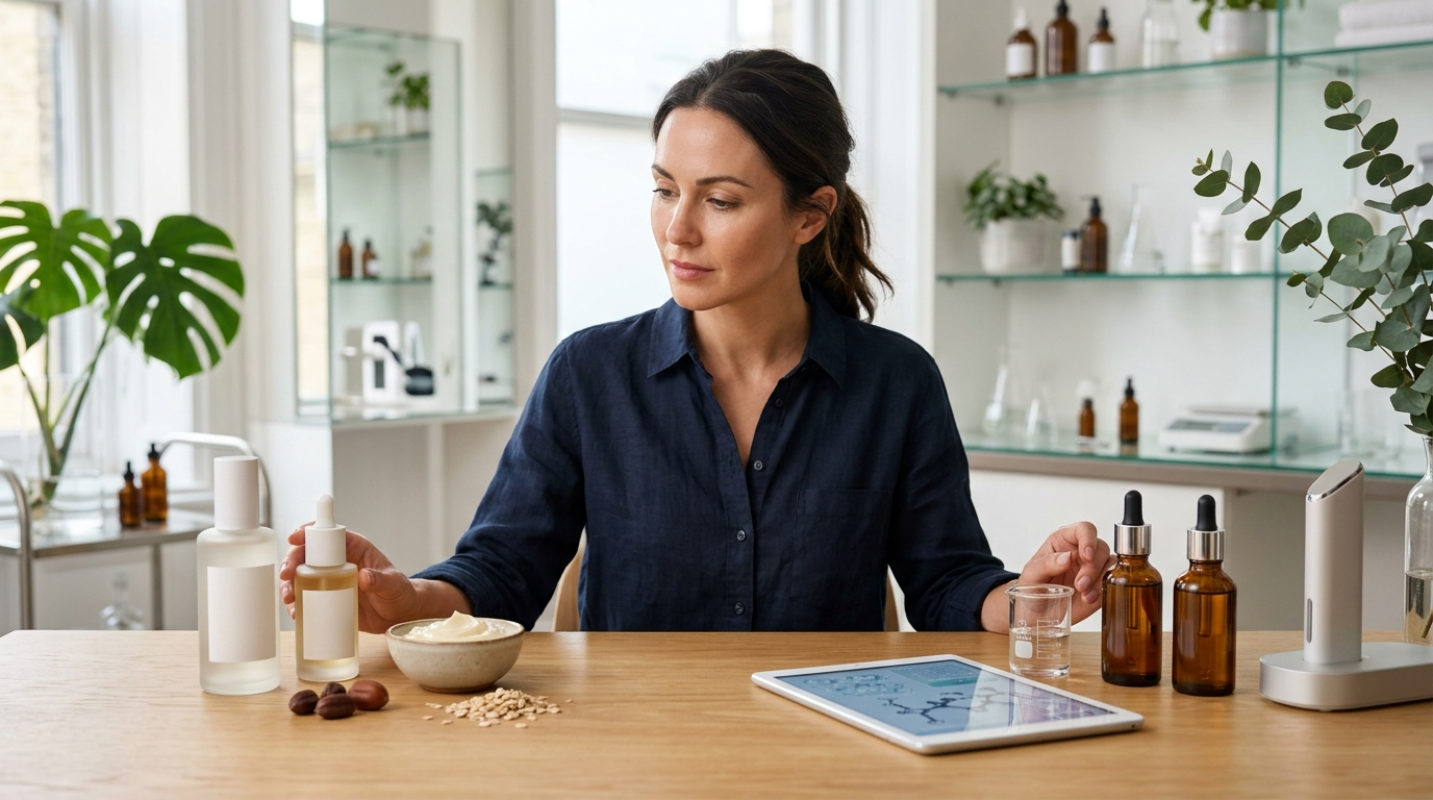
• Sensitive and Reactive Areas: If you deal with redness around your nose or cheeks, pick calming gel formulas. Ingredients like centella asiatica, colloidal oatmeal, calendula, and panthenol help settle irritated skin.
• The Under-Eye Zone: The delicate skin around your eyes is thin and prone to fine lines and puffiness. Use targeted hydrogel patches infused with caffeine, light peptides, and hyaluronic acid.
The Art of Product Placement and Application
Getting the right placement is where the fun starts. You do not need an art degree to do this, but a little strategic planning goes a long way. Before you start painting your face, start with a completely clean slate. Wash off your makeup and surface oils with a gentle cleanser. If you take a warm shower right before applying your masks, the gentle steam will help soften dead skin cell build-up and make your treatments work even better.
Apply your formulas using clean silicone brushes or clean fingers, keeping clear of your eyelids and immediate lip borders. Place your purifying clay mask strictly on your oily spots, and smooth your hydrating cream mask over dry patches.
The trick is making sure the masks you choose have similar leave-on times. Most clay, gel, and cream formulas are designed to sit on the skin for 10 to 15 minutes. Try to avoid mixing a quick 5-minute peel with a 20-minute heavy cream, or you will find rinsing them off awkward.
For clay masks, here is a rule you should never break: do not let them dry until they crack like a desert floor. When clay dries to that tight, crumbly stage, it starts drawing precious moisture straight out of the deeper layers of your skin. Rinse everything off with lukewarm water while the clay is still slightly damp to the touch.
Expert Tips for a Professional Multi-Masking Routine
Although multi-masking gives you incredible flexibility, it is easy to get carried away when you have half a dozen jars sitting on your bathroom counter. Dermatologists urge caution when mixing too many active products. Dr. Alexis Granite notes that skin zoning works best at the treatment stage of your routine, allowing you to apply strong actives precisely where needed without overloading calmer areas.²
But piling on too many intense ingredients at once can backfire. Dr. Rachel Nazarian warns that the more products you place on your face simultaneously, the higher your chance of causing irritation or triggering an allergic reaction.³
To keep your skin happy and healthy, follow these ground rules:
1. Limit your lineup: Do not use more than two or three distinct mask formulas in a single session. Keeping it simple lowers the risk of ingredient clashes.
2. Watch for ingredient conflicts: Avoid placing strong exfoliating acids (like glycolic or lactic acid) in the same zone where you are using potent retinols or sulfur treatments.
3. Mind your eyes: Keep heavy facial clays and strong exfoliators far away from your delicate eye area to prevent accidental creeping and irritation.
4. Lock in the hydration: After rinsing your masks off with lukewarm water, follow up immediately with a lightweight moisturizer rich in ceramides to seal in all that fresh goodness.
Embracing Your Skin's Complexity
Your skin is a living, changing organ. Its needs shift based on the weather, your stress levels, your diet, and your hormones. What your skin needed last month might be totally different from what it needs tonight. Moving away from rigid, single-product habits lets you respond to what your face is actually telling you in real time.
Multi-masking turns a basic chore into a fun, highly personalized ritual. You do not need to buy ten new products to make it work. Start by looking at what you already own. Grab that detoxifying clay mask you usually fear using all over, pair it with your favorite soothing moisture mask, and treat your face like the varied space it really is. Give skin zoning a shot during your next self-care night, and enjoy balanced, glowing results without the compromise.
Sources:
1. Mintel Skincare Trends Report
https://www.mintel.com/insights/beauty-and-personal-care/multimasking-the-newest-layer-of-the-facial-mask-trend/
2. Marie Claire Skin Zoning Feature
https://www.marieclaire.co.uk/beauty/skincare/skin-zoning
3. Global News Multi-Masking Dermatologist Guide
https://globalnews.ca/news/2133702/multi-masking-do-dermatologists-think-its-a-good-idea/
*This article on FactBlast is for informational and educational purposes only. Readers are encouraged to consult qualified professionals and verify details with official sources before making decisions. This content does not constitute professional advice.*